Water Damage Restoration in Baltimore, MD, Day or Night
Connecting Baltimore property owners with independent local restoration pros. Immediate dispatch from our Pigtown hub for emergency water extraction, flooded basement pump-outs, sewage decontamination, and structural drying across the Baltimore metro area.
Restoration Services in Baltimore, MD
Every water loss is different. From burst pipes in sub-zero freezes to Back River storm surges, our line connects you with pros equipped for every restoration challenge.
Water Damage Restoration
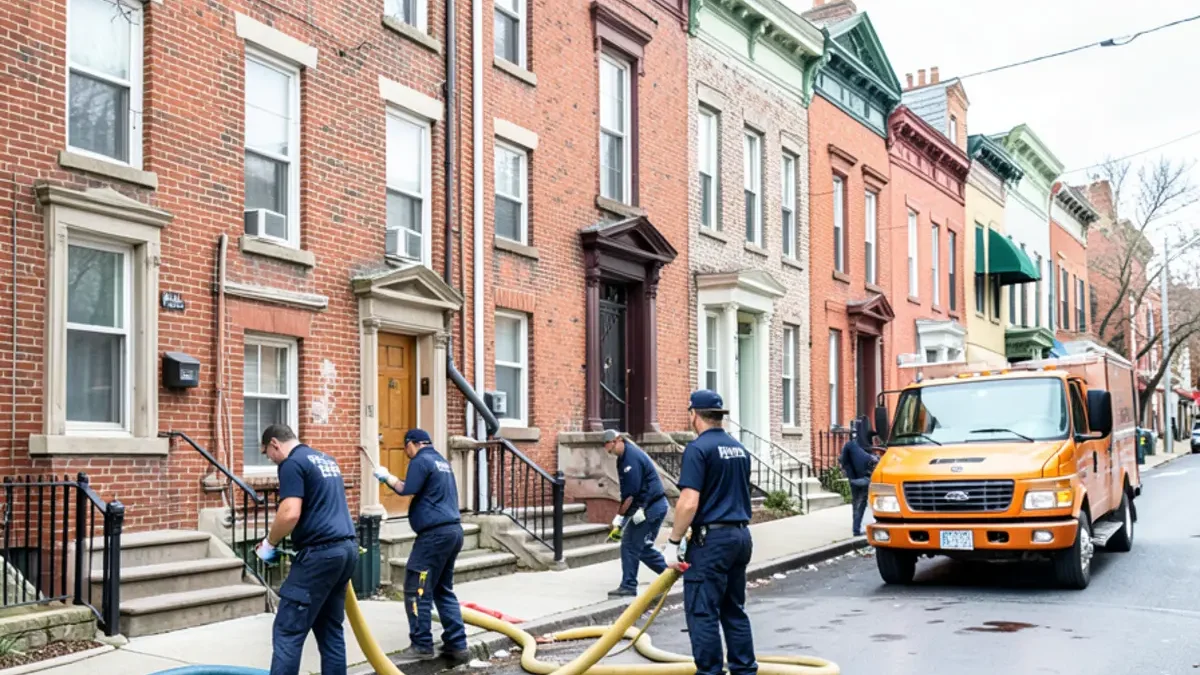
When water penetrates a Baltimore home or commercial facility, structural damage begins immediately. Across Greater Baltimore and the Baltimore-Columbia-Towson metropolitan corridor, our emergency dispatch line connects property owners with 24 hour water damage restoration Baltimore MD residents rely on. From historic brick rowhouses in Hampden and Federal Hill near Baltimore Harbor to waterfront properties along the Patapsco River and Back River draining toward the Chesapeake Bay, callers connect directly with independent local restoration pros providing water extraction and structural drying Baltimore structures require to stop decay.
Emergency Water Extraction
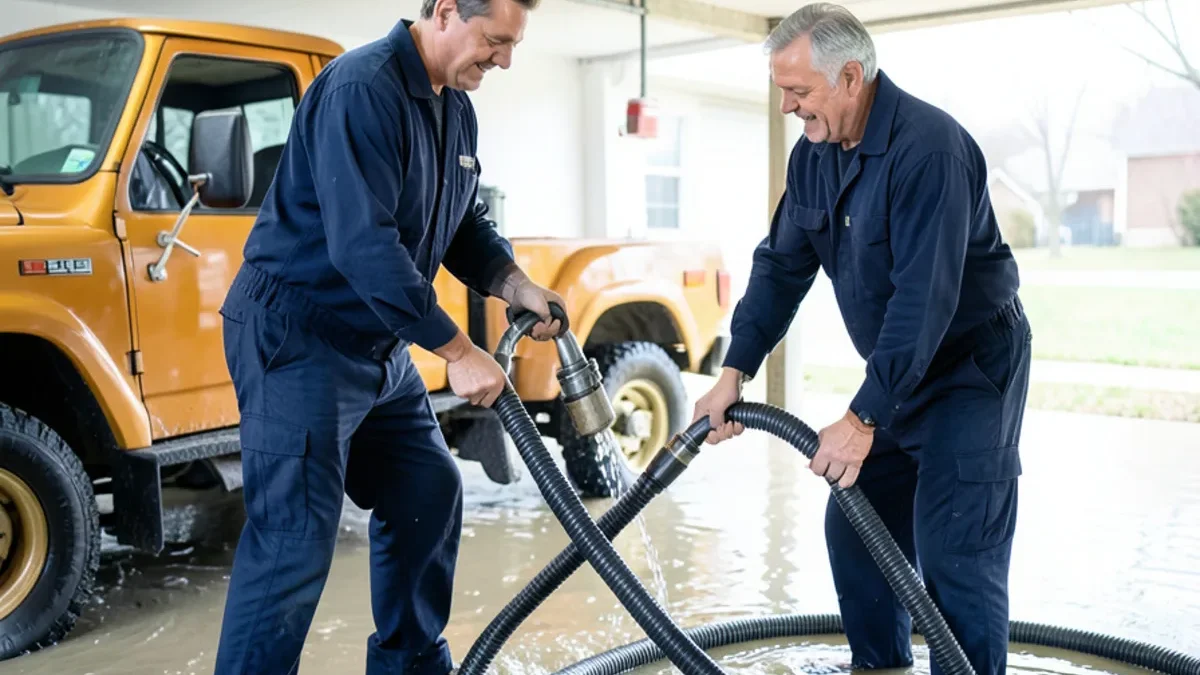
When standing water floods your living areas, basement, or commercial facility, every minute counts. Water extraction is the critical first emergency phase of water damage mitigation—physically vacuuming and pumping out liquid water before it penetrates deep into structural subfloors, wall plates, and foundation cavities. Our 24/7 emergency dispatch line connects Baltimore homeowners and property managers with independent crews equipped with heavy-duty truck-mounted vacuums, weighted extraction rovers, and high-capacity submersible trash pumps.
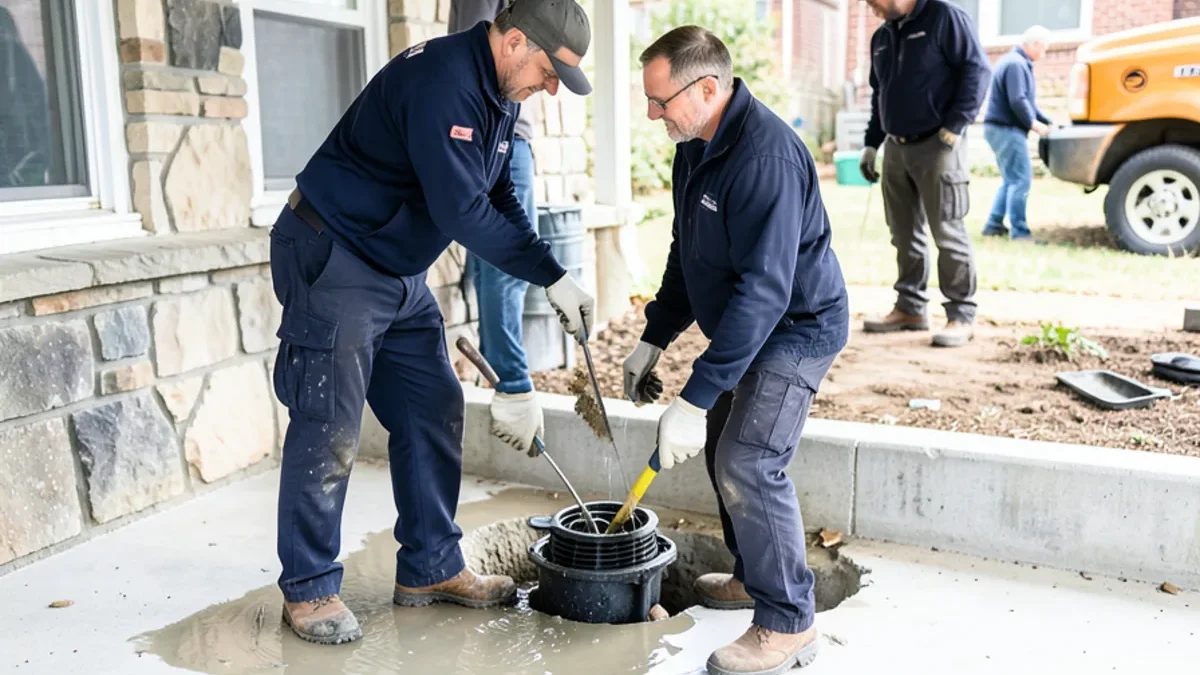
Flooded Basement Cleanup
Basement flooding is the most frequent and costly water damage scenario across Baltimore City and surrounding counties. Whether your basement was inundated by an overwhelmed sump pump, hydrostatic pressure weeping through stone rubble walls, or storm runoff entering rear walkout stairwells, standing water quickly threatens furnaces, water heaters, and finished living spaces. Our 24/7 referral line connects you with experienced Baltimore water removal crews who pump out floodwaters, sanitize contaminated slabs, dry framing, and document losses for insurance adjusters.
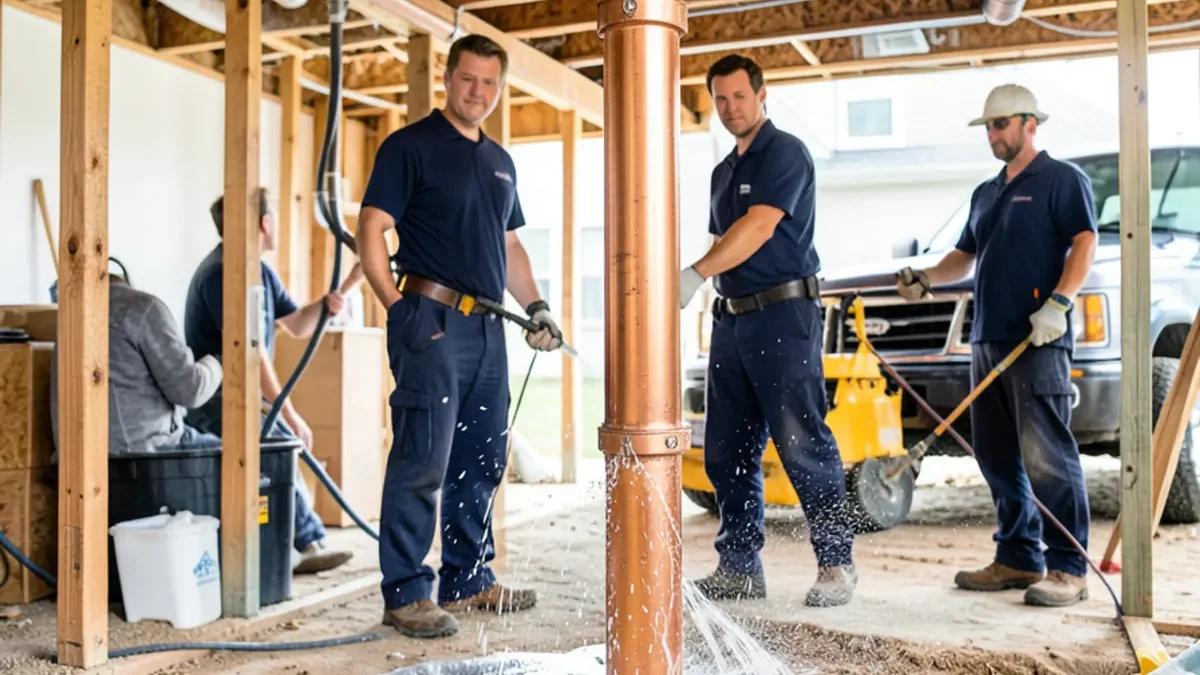
Burst Pipe & Leak Water Damage
Plumbing failures cause some of the most destructive and fast-moving clean-water emergencies in the Baltimore area. When an uninsulated copper pipe ruptures during a winter freeze, an aging 50-gallon water heater splits, or an upstairs washing machine supply hose bursts, hundreds of gallons of pressurized water cascade through ceiling drywall and floor joists. Our 24/7 dispatch line connects you with local emergency restoration pros who assist with water shutoff, extract water from every floor level, and dry wall cavities before structural rot and mold take hold.
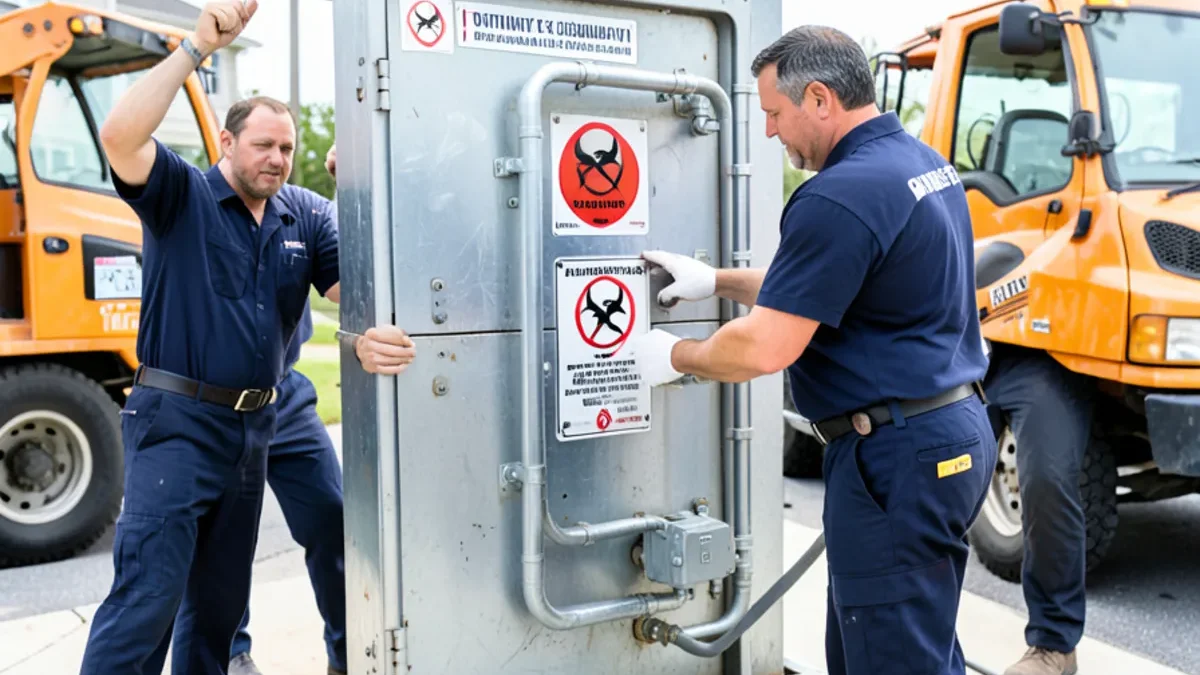
Sewage Backup Cleanup
A raw sewage backup in a Baltimore basement or ground floor is a hazardous biological emergency. Wastewater from sewer lines contains dangerous pathogens, including E. coli, Salmonella, hepatitis, and parasitic microbes classified as Category 3 (black water) under ANSI/IICRC S500 standards. Never attempt DIY cleaning without specialized personal protective equipment. Our 24/7 emergency dispatch line connects you with trained local biohazard cleanup crews who safely extract sewage, remove contaminated porous materials, disinfect concrete, and provide documentation for DPW and insurance claims.
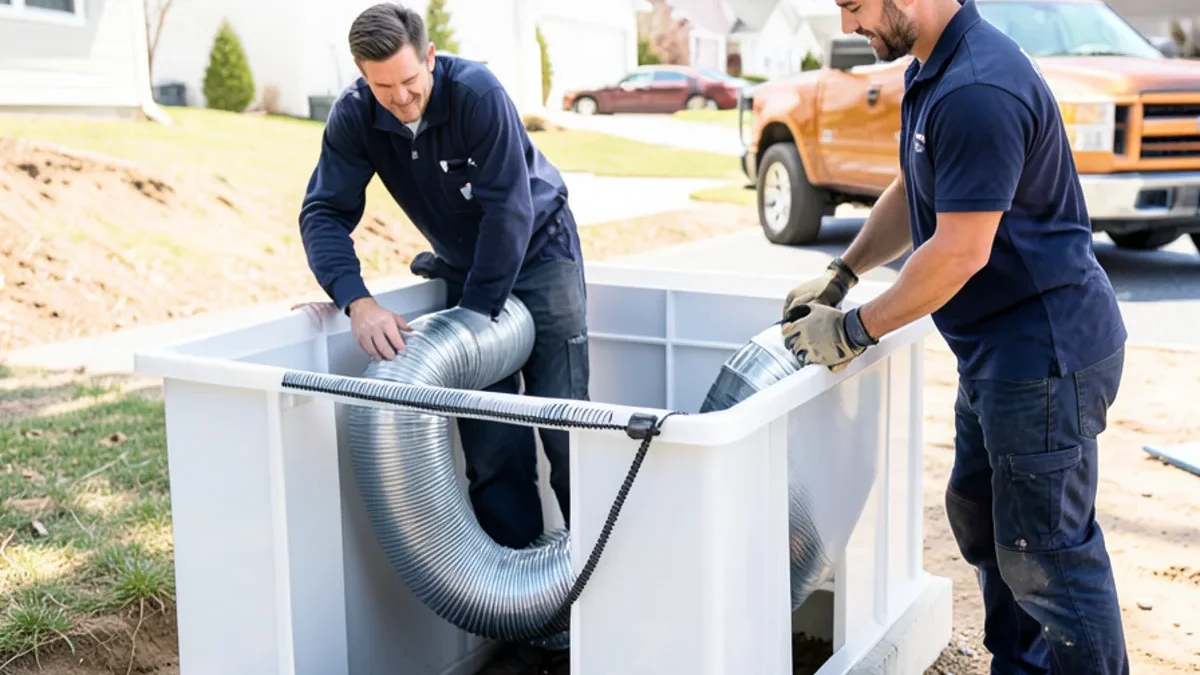
Mold Remediation
In the humid Chesapeake Bay climate of Baltimore, mold growth develops rapidly after unresolved plumbing leaks, roof penetrations, or basement dampness. When indoor relative humidity exceeds 60% or building materials remain damp for more than 48 hours, microscopic mold spores colonize drywall, wood framing, and subfloors. Our emergency line connects Baltimore homeowners and property managers with independent mold remediation professionals who establish containment chambers, run HEPA negative air filtration, physically remove contaminated materials, and eliminate the underlying moisture source.
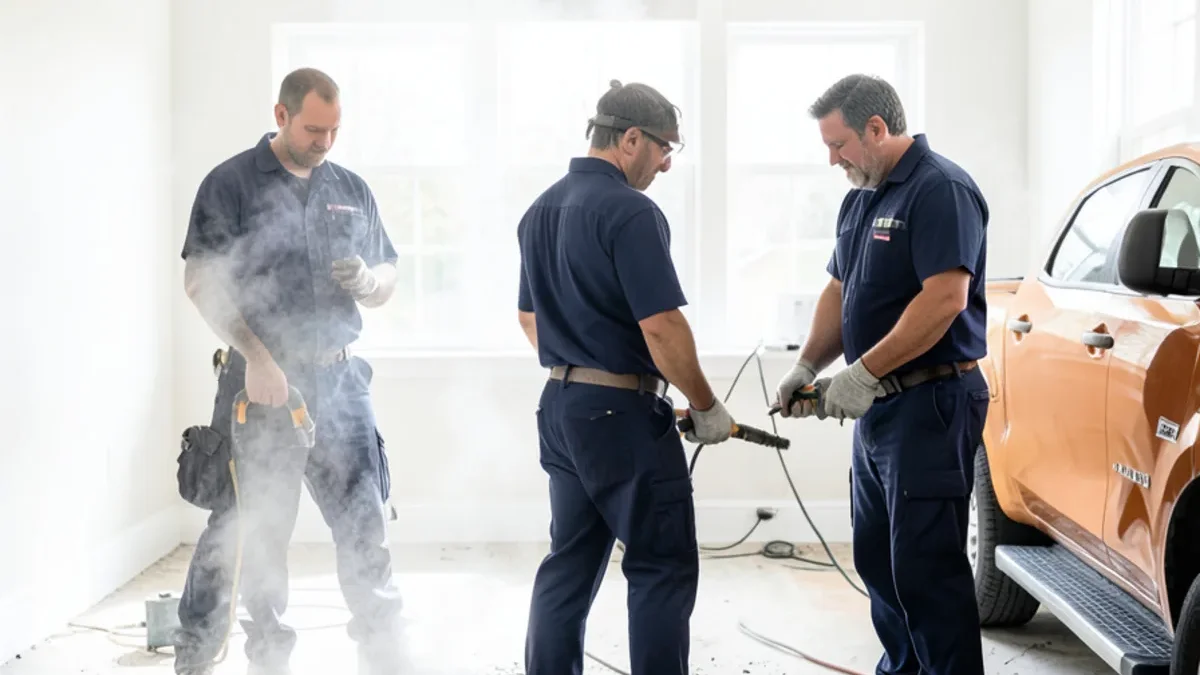
Fire & Smoke Damage Restoration
A structural fire leaves multiple layers of complex devastation: charred framing, acidic soot coatings, pervasive smoke odors, and massive water saturation from municipal firefighting operations. In dense Baltimore neighborhoods where rowhouses share common party walls and rooflines, smoke and water quickly penetrate adjoining properties. Our 24/7 call line connects you with experienced restoration professionals who provide immediate emergency board-up, firefighting water extraction, soot removal, thermal fogging deodorization, and comprehensive claim documentation.
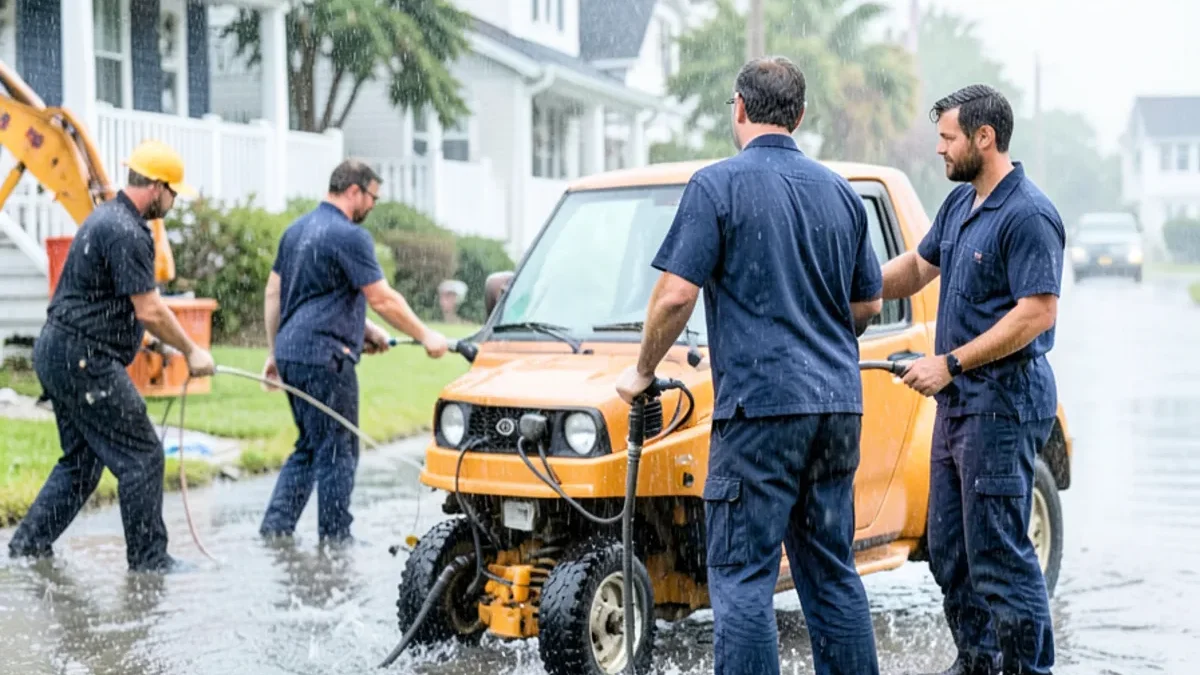
Storm & Flood Damage Restoration
Severe weather events regularly batter the Baltimore metropolitan region—from flash floods in the steep Patapsco River valley (Ellicott City, Catonsville, Elkridge) to tidal storm surges along the Back River and Chesapeake Bay inlets (Dundalk, Essex, Pasadena). When tropical-storm remnants or nor'easters bring driving winds, fallen limbs, and rising surface waters, properties suffer devastating structural inundation. Our 24/7 emergency dispatch line connects you with local disaster restoration contractors who provide emergency roof tarping, high-capacity floodwater pumping, mud removal, and structural drying.

Commercial Water Damage Restoration
Water damage in a commercial facility, multi-family apartment building, condominium complex, or retail space threatens business revenue, tenant safety, and structural integrity. Whether caused by a ruptured overhead fire sprinkler line, a multi-story pipe stack failure, or a commercial HVAC boiler leak, commercial water losses require rapid mobilization, containment to keep unaffected operations open, and detailed documentation for commercial insurance adjusters. Our 24/7 dispatch line connects Baltimore property managers with commercial restoration teams equipped for large-loss water extraction and structural drying.
What Happens When You Call
We operate an honest referral and emergency connection service. Here is exactly how our phone line connects you with local Baltimore restoration pros:
Call & Urgent Triage
Call (702) 478-1007 any time of day or night. We ask what happened—burst pipe, flooded basement, storm water, or sewer backup—and determine urgency.
Independent Pro Connection
We route your call directly to an independent local restoration contractor stationed near your Baltimore City, Baltimore County, or neighboring community.
On-Site Look & Written Scope
The contractor comes to your property, uses moisture meters and thermal imaging to map water spread, and provides a transparent written estimate.
Your Decision — Zero Obligation
You decide whether to hire. The agreement, pricing, and work are directly between you and the contractor. You are never obligated to hire.
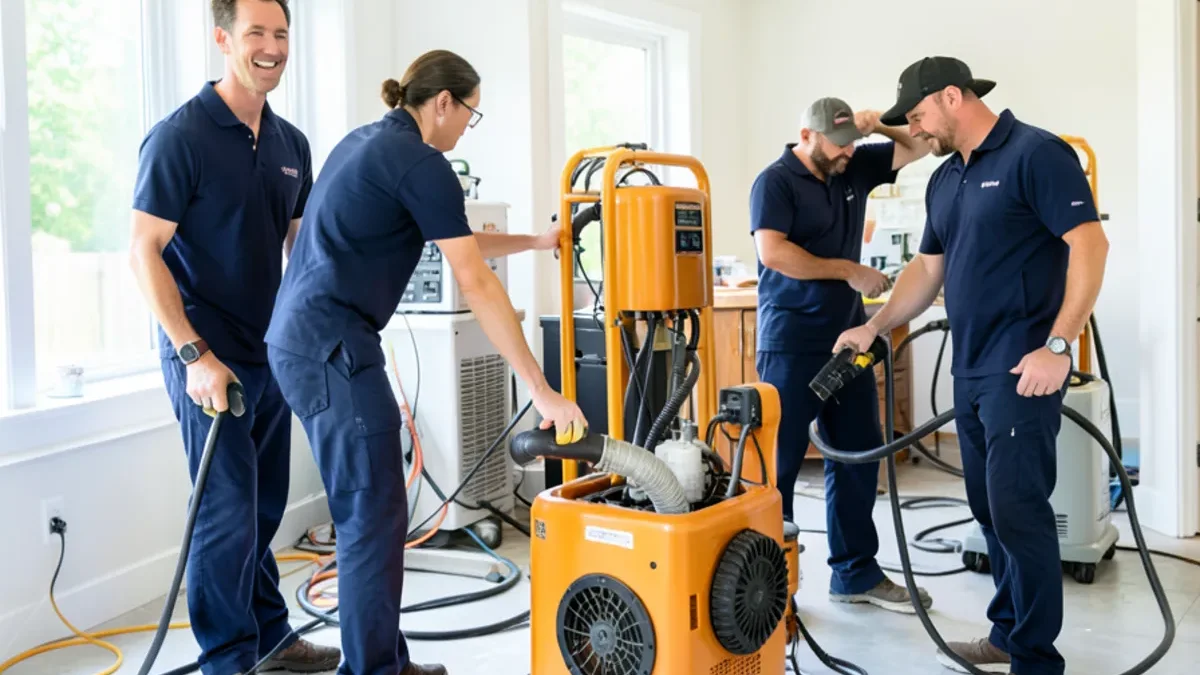
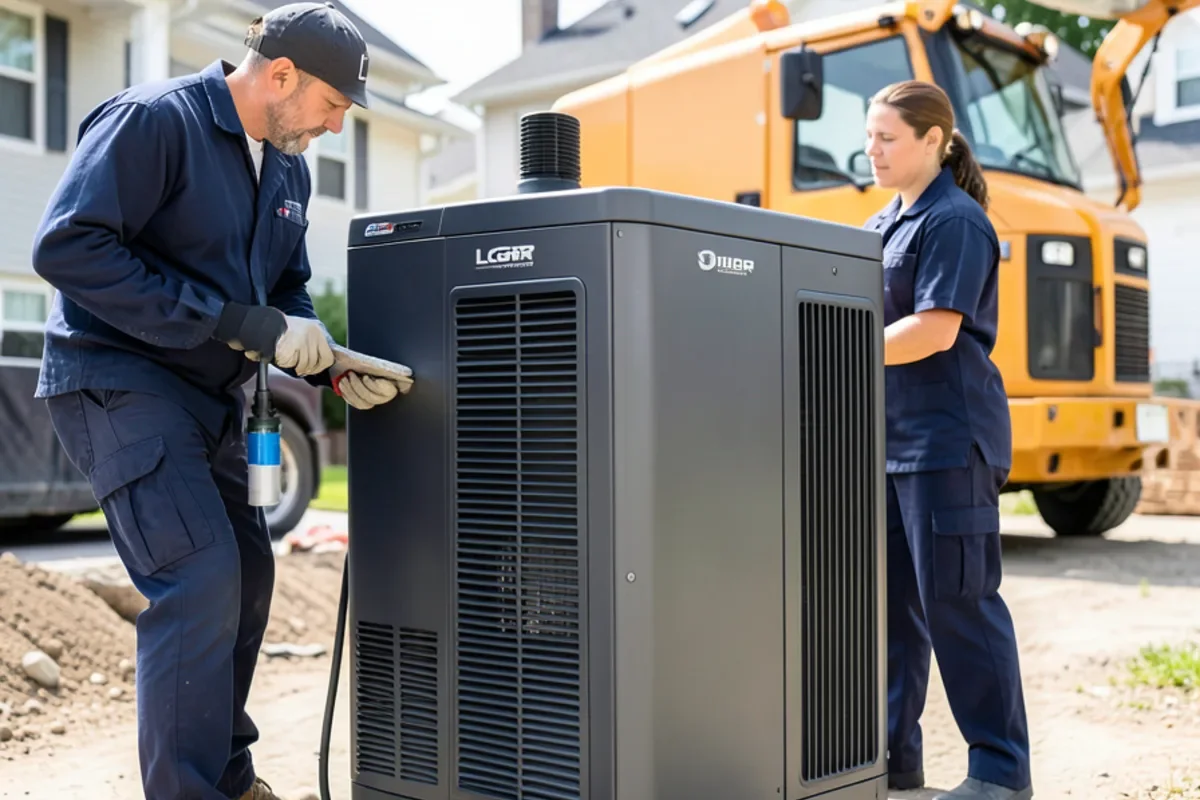
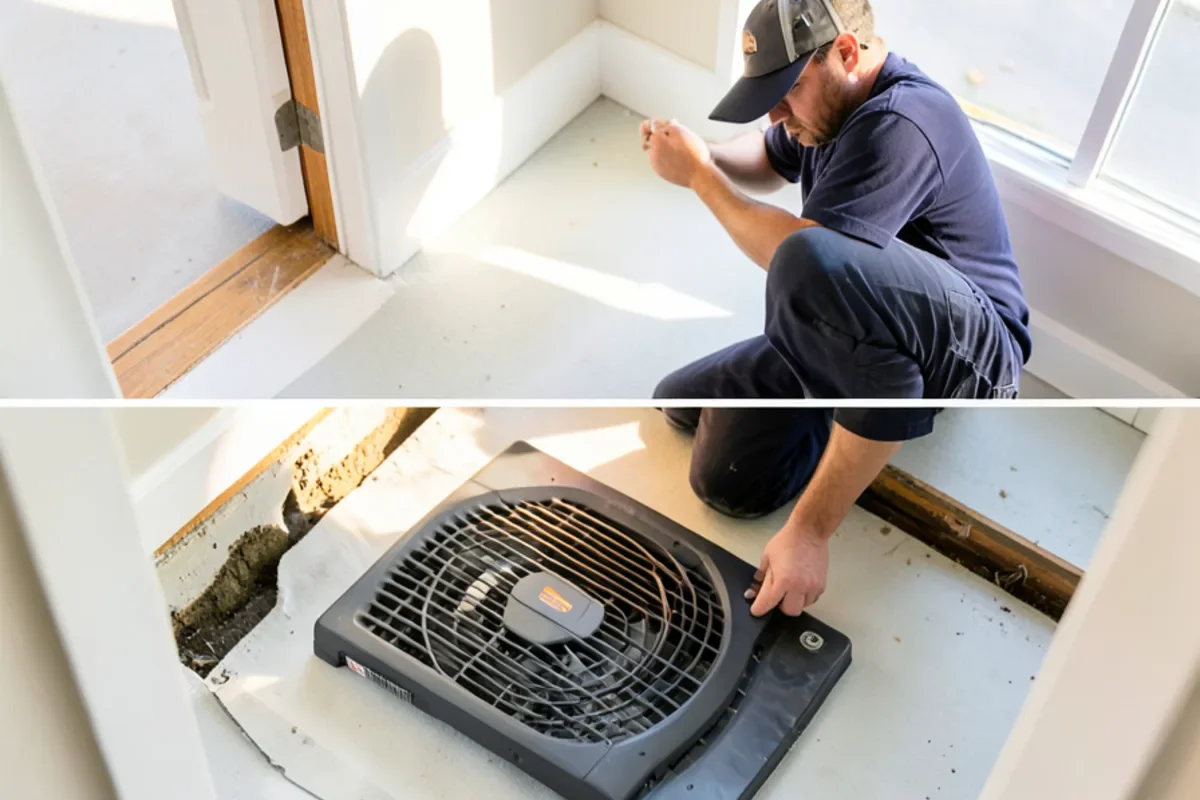
Commercial Equipment Staged for Rapid Deployment
Calibrated thermal detection, continuous extraction, and structural drying machinery.
How to Verify Your Contractor in Maryland
In Maryland, restoration contractors performing structural rebuild or repair work must hold an active license from the Maryland Home Improvement Commission (MHIC). Ask the contractor who takes your call for their MHIC license number, which you can verify online at the official Maryland Department of Labor license search portal.
Why Baltimore Water Losses Require Specialized Local Mitigation
Baltimore features one of the oldest big-city residential housing stocks in the nation. Over 65% of city residences are brick rowhouses built prior to 1940. These homes feature uninsulated solid-masonry exterior walls, flat built-up rubber roofs, cast-iron drain stacks, and shared brick party walls. When a second-story bathroom supply pipe bursts in Canton or Mount Vernon, water does not stay confined to a single room—it seeps into joist pockets and saturates plaster ceilings in neighboring rowhouses.
Subterranean basements across the region are equally vulnerable. In low-lying neighborhoods along Back River in Dundalk and Essex, coastal storm surges and intense tidal pressure push water past foundation seals. In Catonsville, Ellicott City, and along the Patapsco Valley ridgeline, steep topography channels stormwater down residential driveways, quickly overwhelming basement window wells and perimeter sump pump pits during heavy summer thunderstorms.
Furthermore, because the vast majority of Baltimore homes were constructed before 1978, EPA Lead Renovation, Repair, and Painting (RRP) regulations apply whenever structural materials like lath and plaster or wooden baseboards are removed. The independent restoration pros we connect you with use containment barriers and negative air filtration to prevent lead dust contamination during invasive moisture remediation.
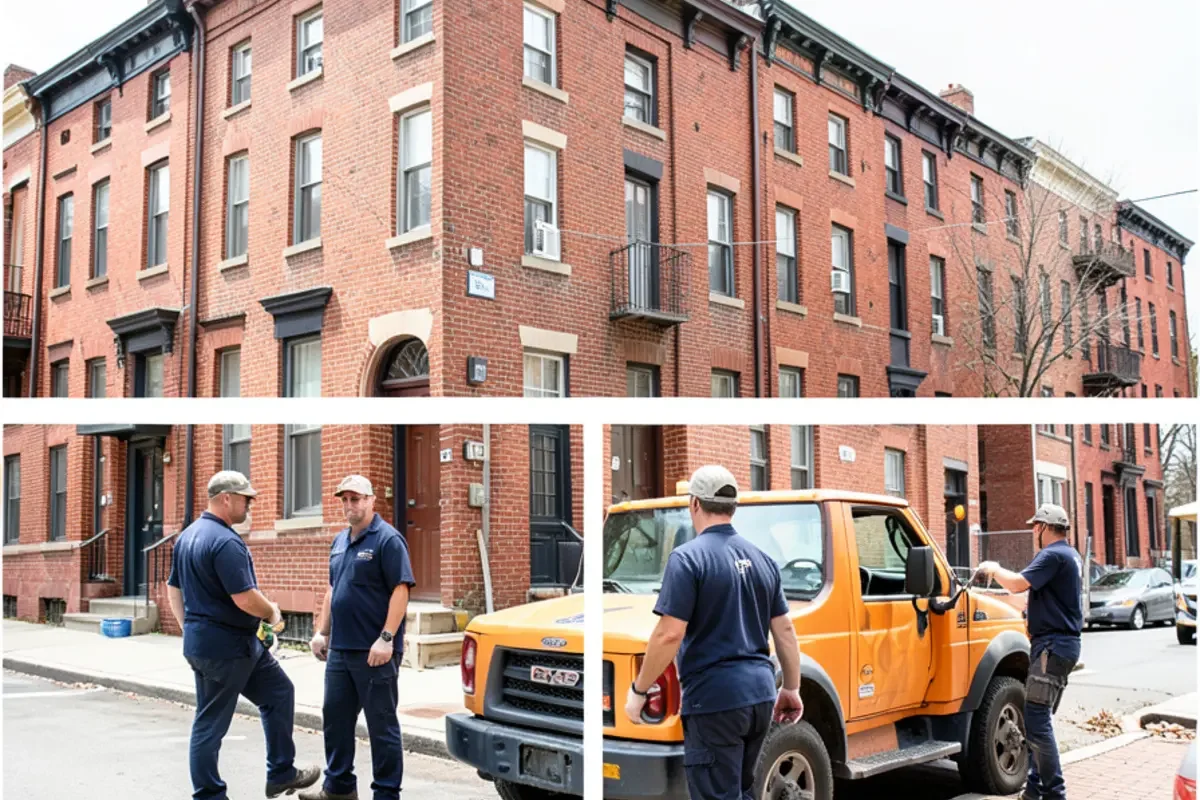
Federal and Maryland environmental standards require lead-safe containment whenever removing painted walls or ceilings in homes built before 1978. Always confirm lead-safe practices with your responding contractor.
Flooded Floor or Burst Pipe? Call Emergency Dispatch
Standing water spreads every minute it sits. Speak with our Baltimore dispatch desk to connect with an independent mitigation contractor right now.
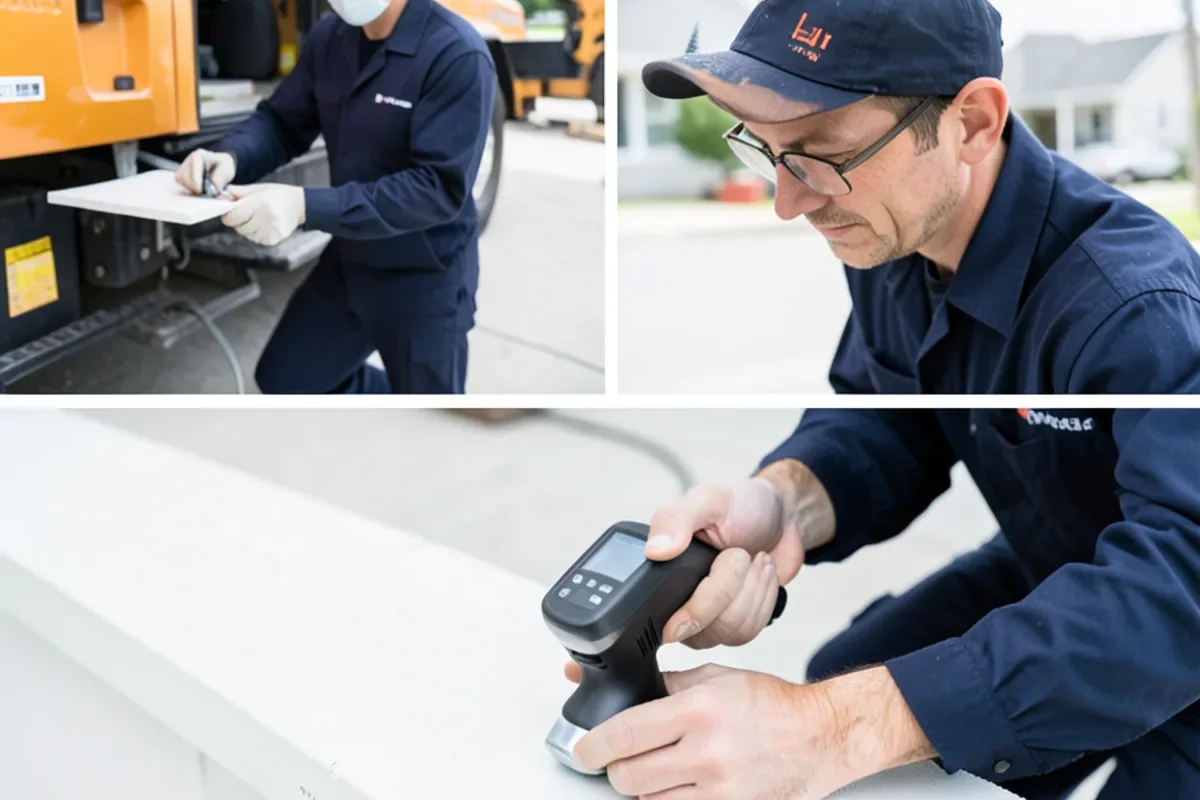
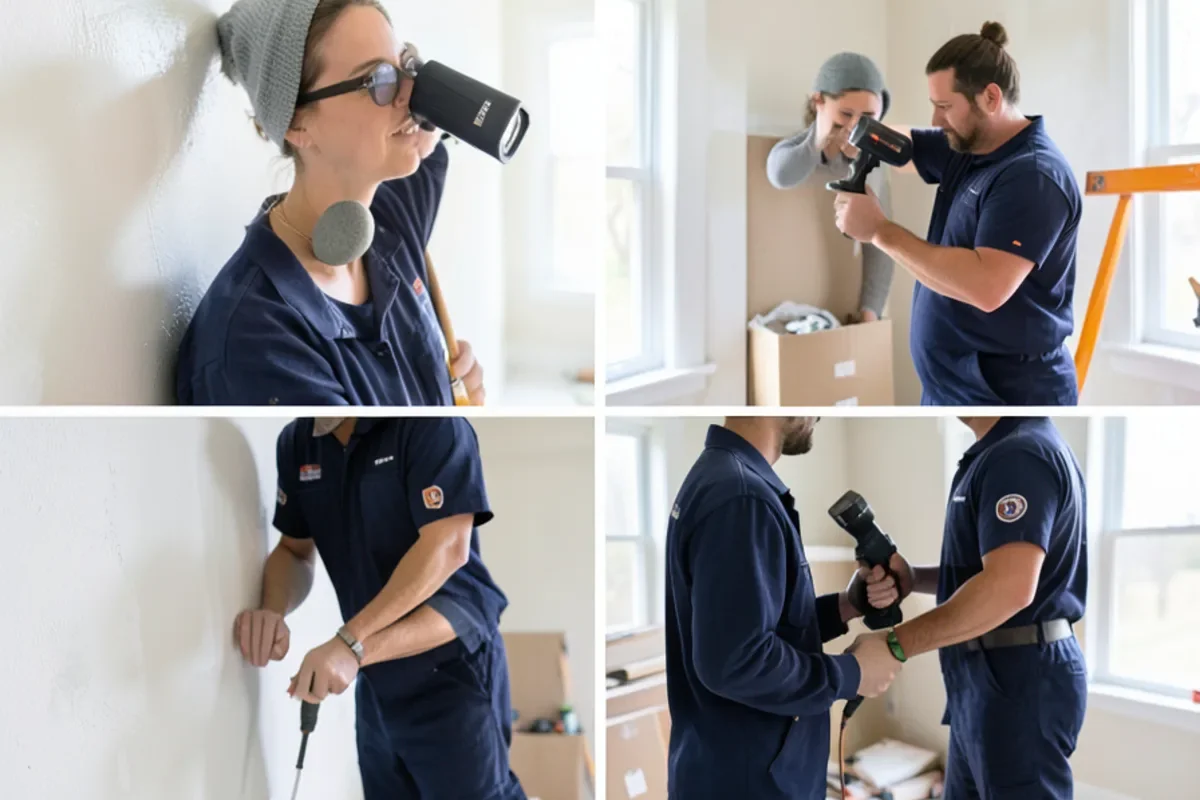
Restoration Process & Equipment in Action
Photographs illustrating standard structural drying procedures, moisture containment chambers, and commercial extraction machinery.
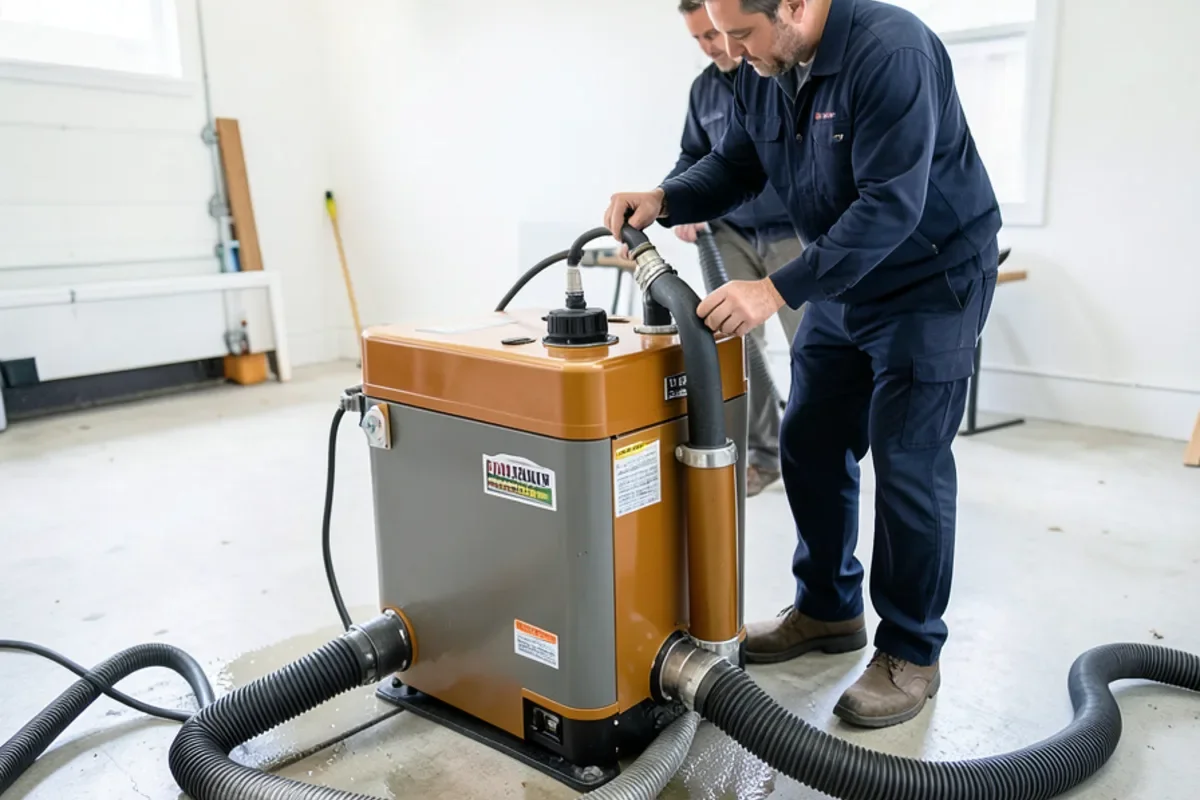
Commercial water extraction equipment pumping floodwater from a basement.
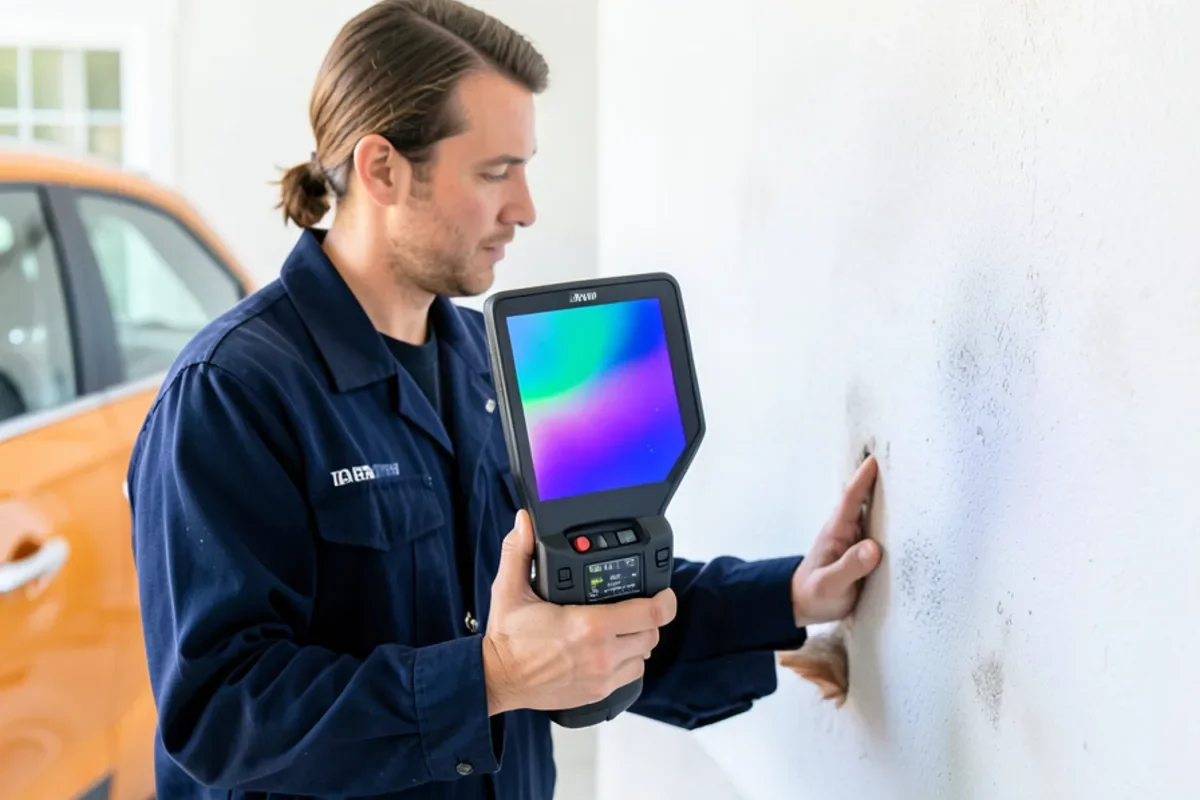
Infrared thermal inspection identifying hidden moisture pockets in walls.
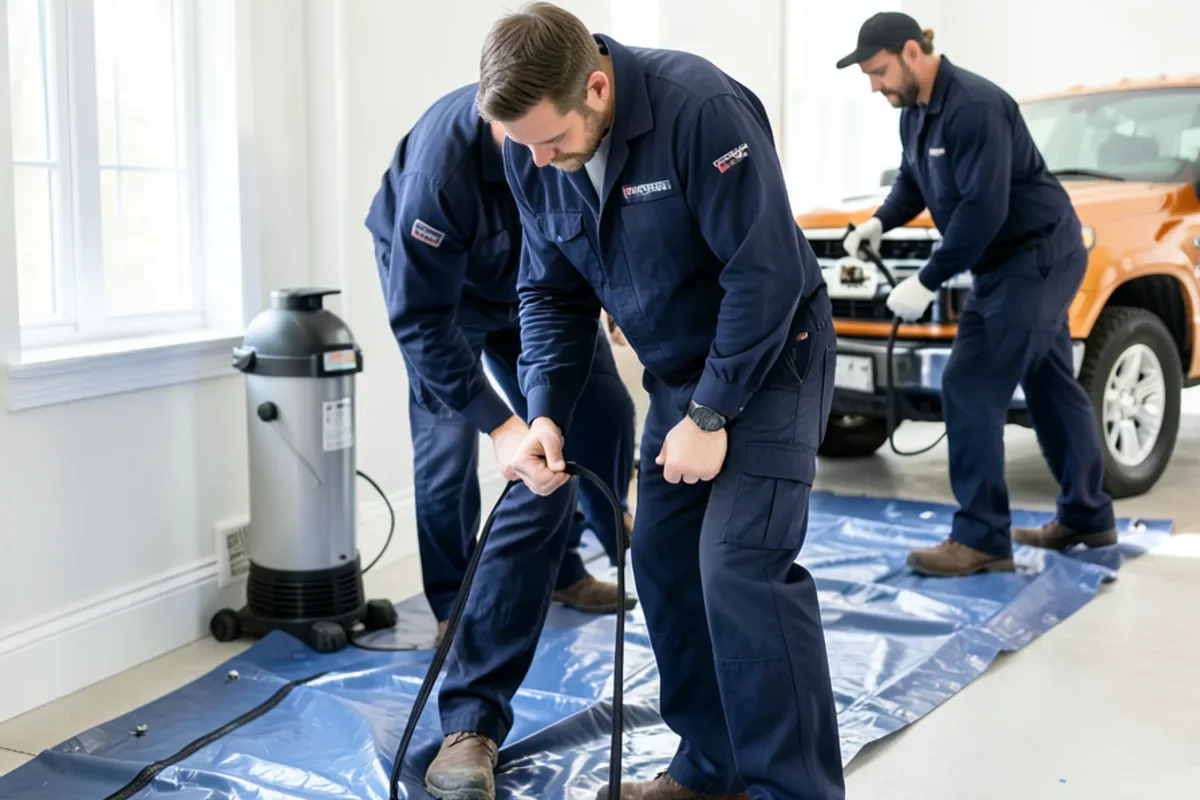
Containment barriers and industrial air movers deployed for drying.
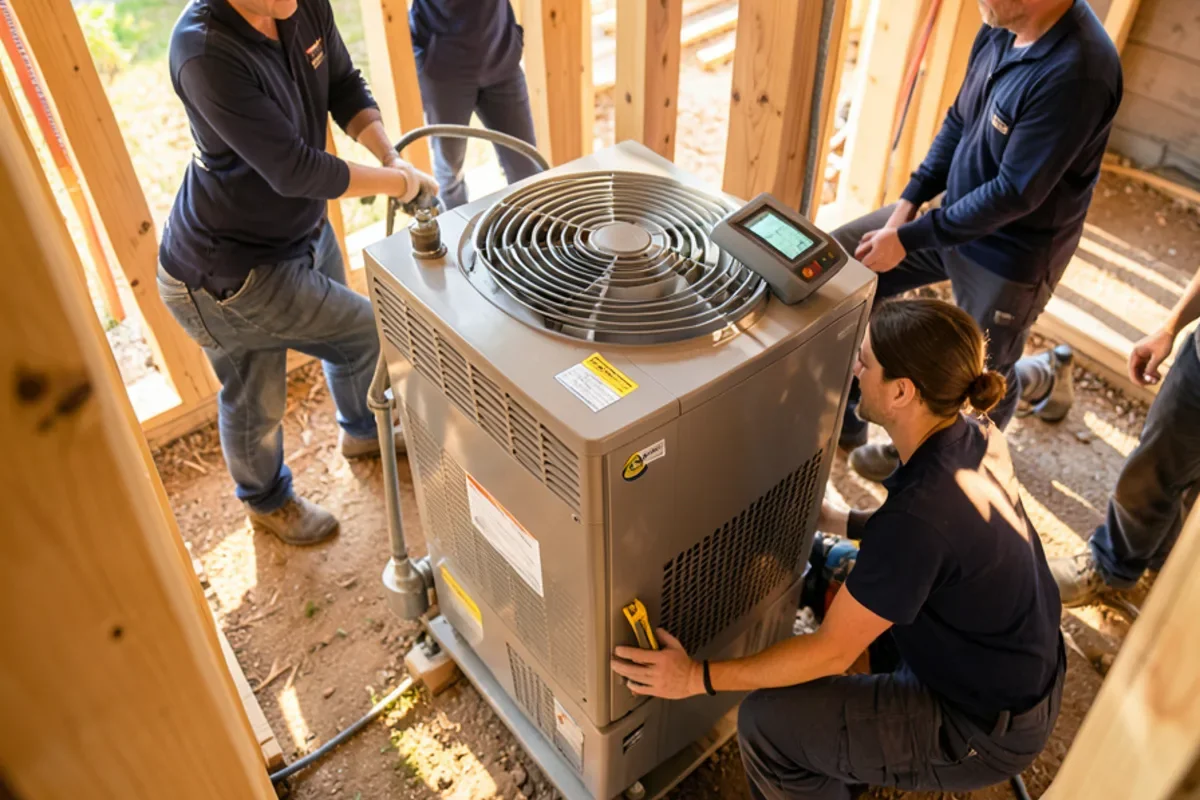
Industrial dehumidifiers reducing ambient relative humidity in structural cavities.

Moisture meter testing structural framing during drying monitoring.
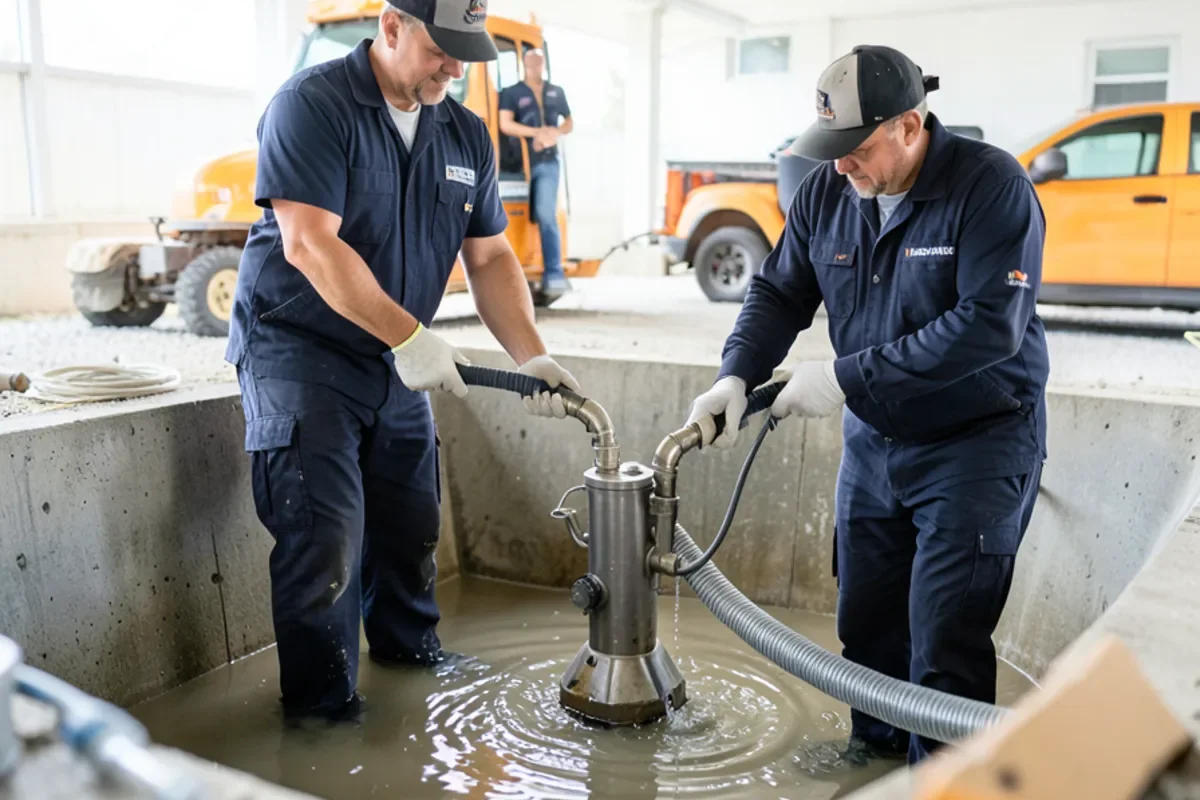
Submersible trash pumps removing standing water following basement flooding.
Featured Baltimore Metro Service Areas
Immediate dispatch across Baltimore City and the inner suburbs of Baltimore County, Howard County, and Anne Arundel County.

Towson, MD
1930s–1950s solid brick group homes in Rodgers Forge and colonials in Stoneleigh with finished subterranean basements, plus dense student rental housing and high-rise condominiums around Towson University where upper-unit leaks penetrate multiple floors.

Catonsville, MD
Victorian and 1920s–1940s single-family homes on steep hillside lots sloping toward Patapsco Valley State Park, where intense overland stormwater runoff frequently overwhelms fieldstone foundations and walkout basements along Frederick Road and Oella.
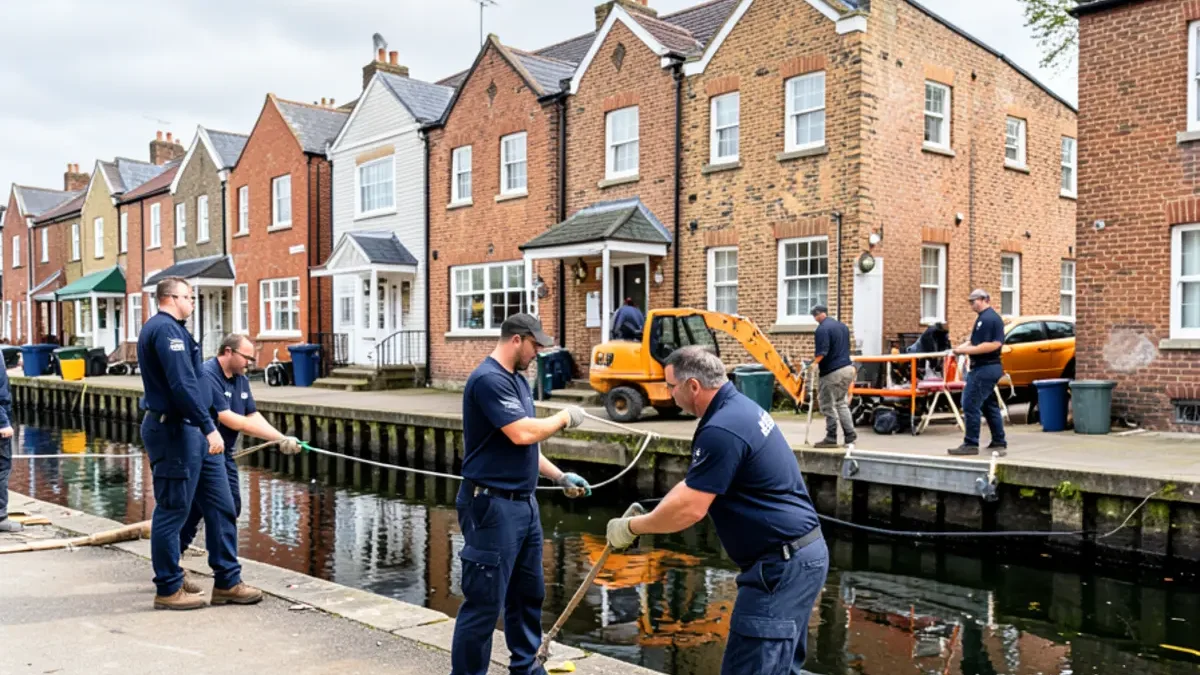
Dundalk, MD
1910s–1940s brick and frame rowhouses originally built for Sparrows Point shipyard workers, coupled with low-lying coastal peninsulas along Bear Creek and Lynch Point vulnerable to Chesapeake Bay tidal storm surges and tunnel rerouting since the Key Bridge collapse.

Glen Burnie, MD
1950s–1960s ramblers and split-levels with aging galvanized plumbing and original water heaters along Ritchie Highway, coupled with dense 1980s–2000s townhome communities draining into Sawmill Creek and Marley Creek.
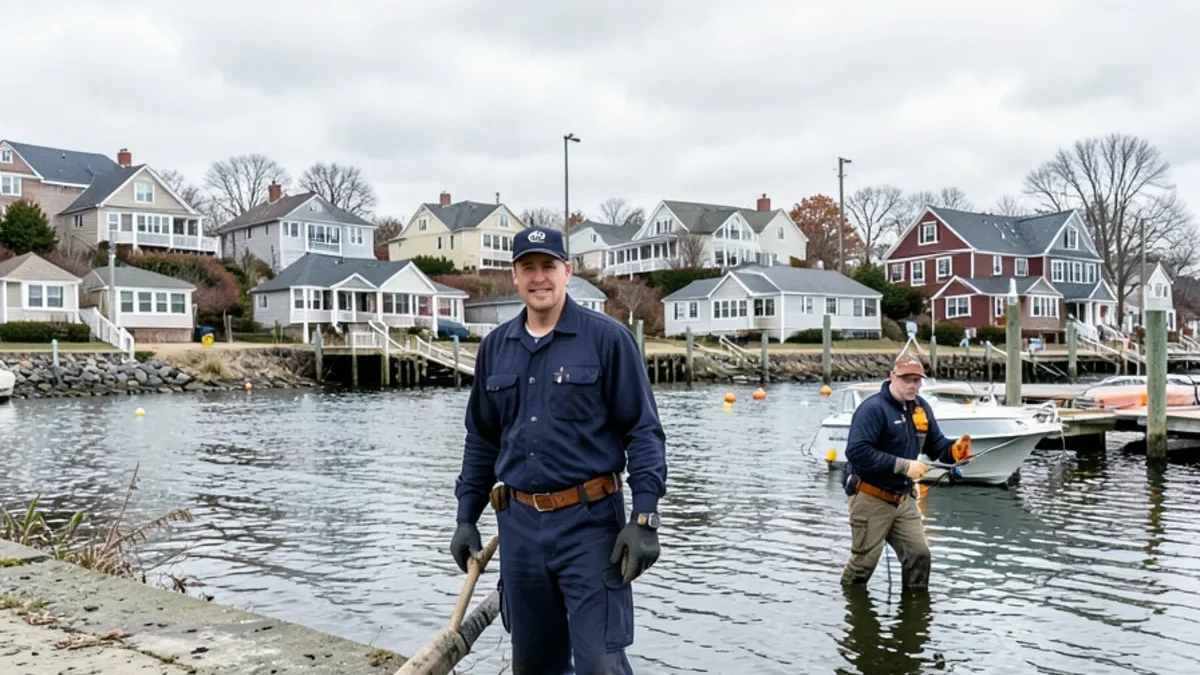
Essex, MD
Back River and Middle River coastal communities hit by tidal surges, paired with WWII-era defense housing built for the Glenn L. Martin aircraft plant workforce featuring aging galvanized plumbing and shallow, damp crawlspaces.
Parkville, MD
1940s–1960s dense brick rowhouses, semi-detached duplexes, and Cape Cod homes with finished daylight basements along Harford Road and Taylor Avenue, where aging sump pumps and Herring Run headwaters create frequent basement flooding.
Pikesville, MD
Mid-century custom colonials, ranches, and split-levels with expansive finished basements, paired with multi-story condominium developments and garden apartments along Reisterstown Road and Old Court Road where upper-unit supply line leaks cascade down vertical stacks.
Baltimore Metro Service Radius
Dispatched from our central Pigtown hub at 1800 Washington Blvd, Suite 110, Baltimore, MD 21230, directly adjacent to the I-95 and I-395 interchange for rapid highway transit across central Maryland.
Baltimore City
Immediate Hub Area (5–15 min)Historic brick rowhouse corridors, pre-1940 basements, flat rubber roofs, cast-iron plumbing stacks, and Baltimore DPW municipal water mains.
Baltimore County
15–25 min North & EastSurrounding suburban communities from Back River and Bear Creek tidal zones to Rodgers Forge group homes, mid-century ranch basements, and Patapsco runoff areas.
Anne Arundel County
15–25 min SouthPost-war single-family ramblers, Magothy and Bodkin Creek waterfront surge exposure, and townhouse communities near Fort Meade and BWI.
Howard County
20–30 min WestHistoric Main Street granite mill buildings in the steep Patapsco river gorge, plus 1970s–1990s planned village townhomes with shared party walls.
Baltimore Water Loss & Claim Advice
Objective, step-by-step guidance on handling flooded basements, sewage backups, freeze-related burst pipes, and Maryland insurance claims.
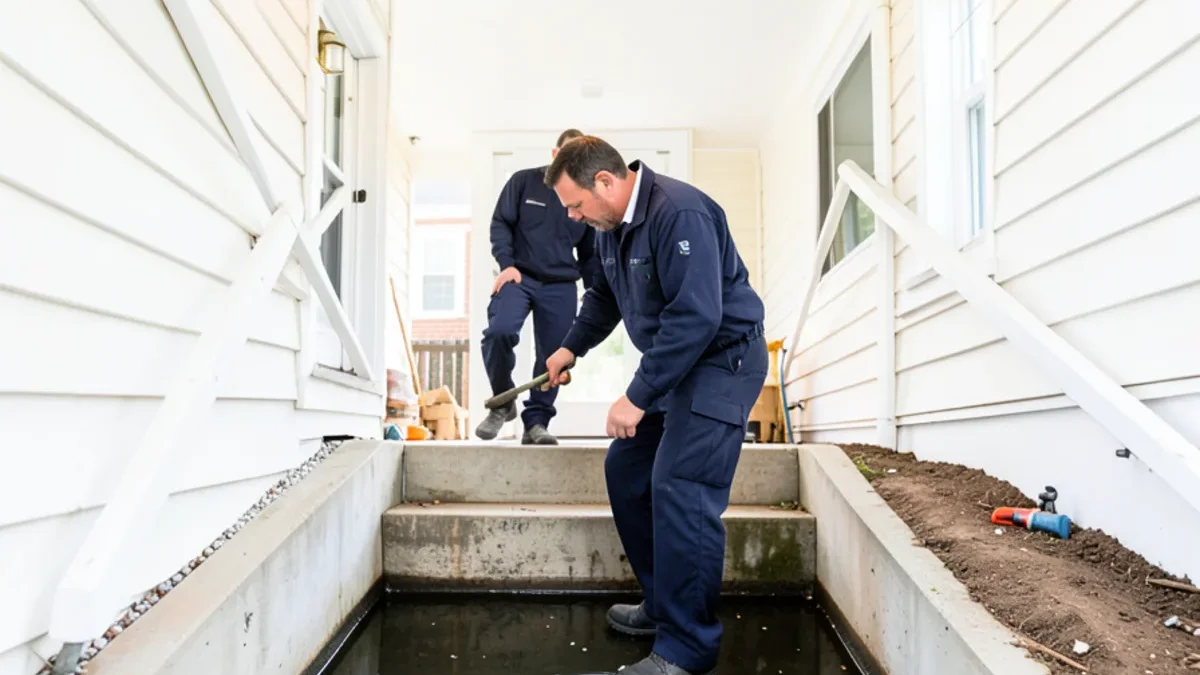
Basement Flooded in Baltimore? What to Do in the First Hour
In the first hour of a basement flood in Baltimore, avoid stepping into standing water if electrical appliances, panels, or outlets are wet. Shut off your main water valve if the source is internal plumbing and you can reach it safely. Move family and pets to dry ground, avoid touching contaminated water or running HVAC fans, take time-stamped photos of the waterline and source, and call an emergency extraction line at (702) 478-1007.

Sewage Backup in a Baltimore Basement: Safety, City Help and Insurance
A sewage backup in a Baltimore basement is a hazardous Category 3 biohazard containing harmful pathogens. Never enter without protective gear. Immediately isolate the area, turn off air circulation, notify the Baltimore City Department of Public Works (call 311) to inspect the public main, and contact an emergency decontamination team at (702) 478-1007. Document everything with photos to support a City Comptroller claim and your insurance carrier's sewer backup endorsement.
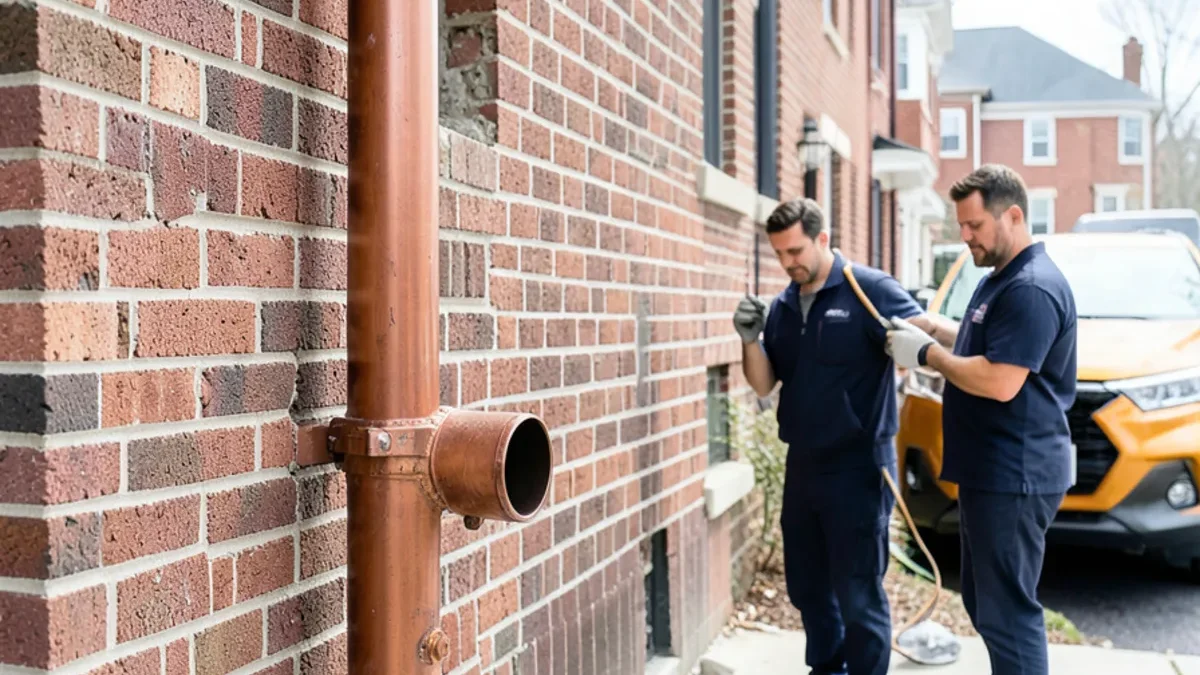
Frozen and Burst Pipes in Baltimore Rowhouses: What to Do Now
When a pipe freezes and bursts in a Baltimore rowhouse, immediately shut off the main water valve at the basement water meter or street curb stop. Open cold faucets downstairs and hot faucets upstairs to relieve residual line pressure. Turn off electricity to flooded areas at the breaker box, puncture sagging ceiling drywall over a bucket to prevent ceiling collapse, and call for emergency extraction at (702) 478-1007.
Frequently Asked Questions: Baltimore Water Damage
Honest answers regarding emergency response, contractor licensing in Maryland, insurance claims, and regional architecture risks.
No. Iron Group Restorations operates an emergency dispatch and contractor referral connection service. We connect property owners with independent local water restoration contractors who service Baltimore City and surrounding Maryland counties. All quotes, contracts, and repairs are executed directly by the responding contractor.
Speak With Baltimore Water Damage Dispatch Now
Don't let standing water rot subfloors or cause toxic mold colonization. Call (702) 478-1007 to get connected with an independent pro in your community.