
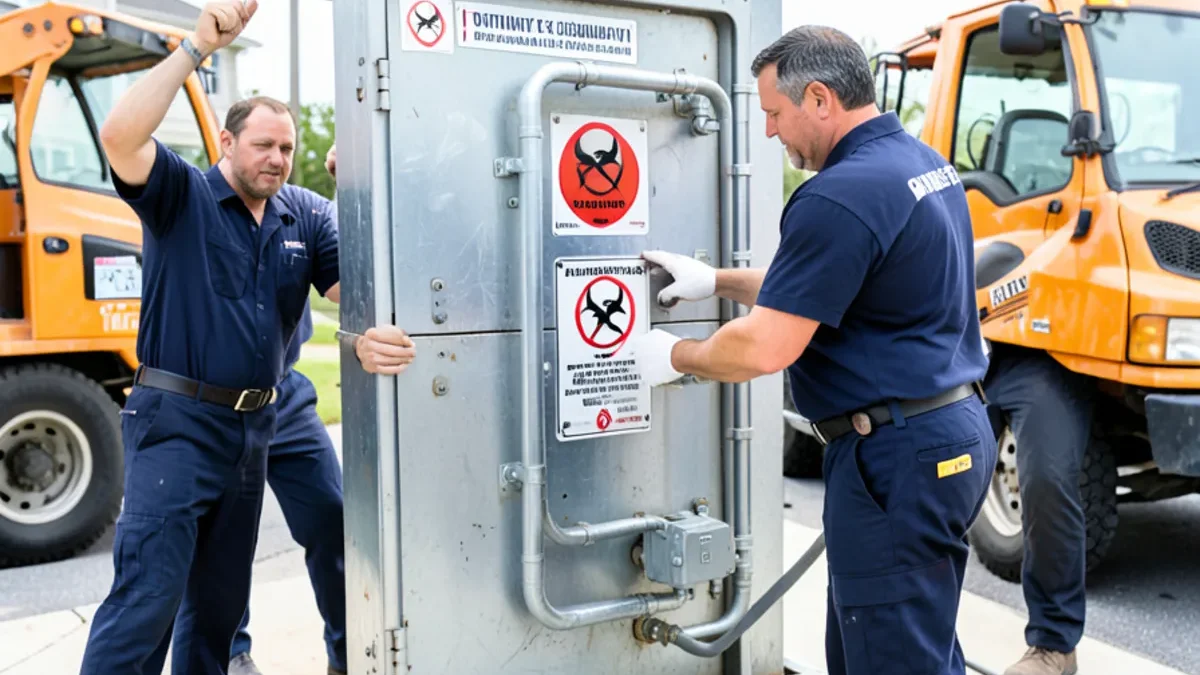
Understanding Sewage Backup Cleanup in Baltimore Properties
Baltimore City's historic sanitary sewer infrastructure features miles of century-old clay and brick pipes that struggle during intense thunderstorm runoff. Under the city's combined storm-and-sanitary sewer system, heavy rain causes sewer mains to surcharge, forcing raw municipal wastewater backwards through residential basement floor drains, utility sinks, and lower-level toilets. In residential rowhouses, sewage inundates concrete slabs and wicks into wall studs. Biohazardous bacteria aerosolize into living spaces through HVAC ducts. Proper decontamination requires physical waste removal, controlled containment, negative air pressure, and hospital-grade disinfectant applications.
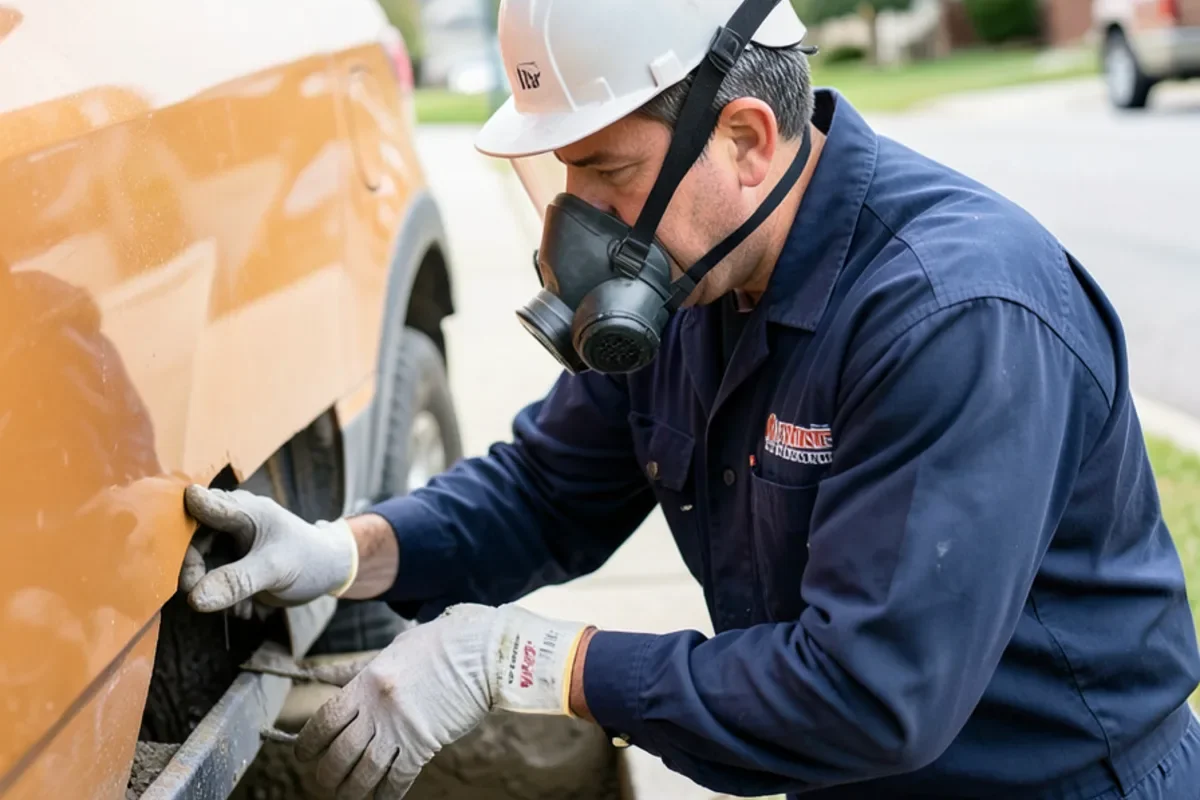
First 30 Minutes Biohazard Emergency Protocol for Sewage Backups
Raw sewage (Category 3 black water) carries dangerous biological pathogens and infectious bacteria. Follow these strict safety precautions before remediation technicians arrive:
Immediate Life Safety Steps
- Evacuate and Isolate the Area: Immediately evacuate all children, pets, and individuals with respiratory conditions away from the basement. Keep the basement door closed to prevent sewer gas and airborne spores from circulating upstairs.
- Shut Off HVAC Circulation: Turn off your central heating or air conditioning system at the thermostat. If your furnace or return air ducts are in the basement, running the blower will distribute bioaerosols throughout the entire home.
- Do Not Use Plumbing Fixtures: Stop running water, flushing toilets, or running dishwashers upstairs. Any water sent down household drains will add directly to the basement sewage puddle.
- Call 311 and Emergency Dispatch: Report the sewer backup to Baltimore City 311 immediately to establish an official incident record, then call (702) 478-1007 to mobilize biohazard extraction and containment technicians.
Documenting the Loss for Insurance
- Record 311 Confirmation Number: Note your Baltimore City DPW 311 service request number, date, and exact time of report.
- Photograph Sewage Entry Points: Take clear photos showing waste rising out of floor drains, utility sinks, or lower-level toilets.
- Document Waste Level Against Walls: Take wide shots showing the depth of sewage slurry against foundation walls and basement partitions.
- Keep All Cleanup Invoices: Retain itemized restoration estimates and paid invoices required for DPW reimbursement or insurance claims.
How to Identify If You Have a Serious Loss
- Foul, acrid sewer gas odors rising through basement floor drains or plumbing fixtures
- Dark, cloudy, or sludge-filled water backing up into basement sinks, tubs, or toilets
- Multiple drains gurgling simultaneously when plumbing fixtures are flushed upstairs
- Raw waste, toilet paper, and biohazard sediment deposited across basement concrete slabs
- Visible black water wicking up drywall edges and soaking baseboard trim
Local Factors & Common Causes in Baltimore
Municipal sanitary sewer surcharge during severe Baltimore convective thunderstorms
Tree root intrusion fracturing older clay lateral lines running from rowhomes to the street
Fat, oil, and grease (FOG) blockages choking older neighborhood collection mains
Structural collapse of aging cast-iron sewer laterals beneath public streets or sidewalks
Unchecked backflow through historic basement floor drains lacking functioning backwater valves
Facing Sewage Backup Cleanup in Baltimore?
Do not wait for structural materials to deteriorate. Call our 24/7 emergency dispatch line to speak with an operator and connect with a local restoration contractor.
What a Restoration Contractor Inspects on Site
Mitigation begins with diagnostic evaluation. The contractor dispatched to your property conducts a thorough forensic moisture assessment:
Full PPE donning (Tyvek suits, nitrile gloves, rubber boots, full-face organic vapor respirators)
Cross-contamination barrier setup isolating the basement with sealed poly zip doorways
Biohazard classification and moisture boundary mapping using digital meters
Visual inspection of private lateral cleanouts to determine if blockage is on-site or in the street
Thermal imaging scan of adjacent wall cavities and under-stair storage enclosures
HVAC return duct inspection to evaluate aerosolized pathogen contamination
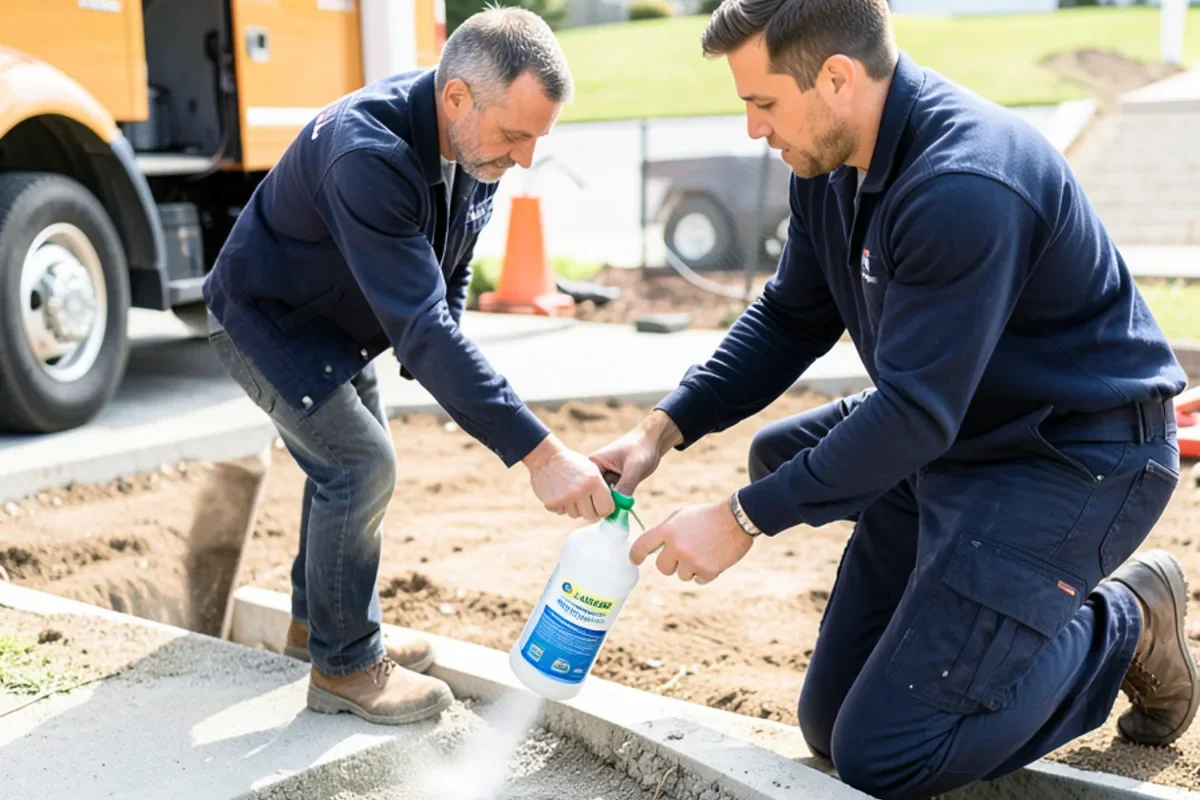
Mitigation Methodologies & Trade-Offs
Porous Material Disposal vs. Non-Porous Disinfection
Under ANSI/IICRC S500 standards, all porous items touched by Category 3 sewage (carpet, pad, drywall, insulation, cardboard) must be bagged and discarded; non-porous materials (concrete, masonry) are thoroughly disinfected.
Negative Air HEPA Filtration vs. Standard Ventilation
Commercial air scrubbers equipped with certified HEPA and activated carbon filters create negative air pressure, exhausting air outside through windows.
Quaternary Ammonium Wash vs. Botanical Antimicrobial Treatment
Quaternary ammonium compounds provide broad-spectrum bactericidal kill on concrete slabs, followed by natural botanical biocides for long-term residual odor control.
Step-by-Step Restoration Workflow
Step 1: Emergency Intake & Biohazard Containment
Call (702) 478-1007. Crews mobilize with full PPE and erect plastic containment barriers to protect living areas from airborne pathogens.
Step 2: Bulk Sewage Extraction & Safe Waste Disposal
Heavy-duty waste extractors pump liquid sewage and sludge into sealed containment tanks for lawful municipal disposal.
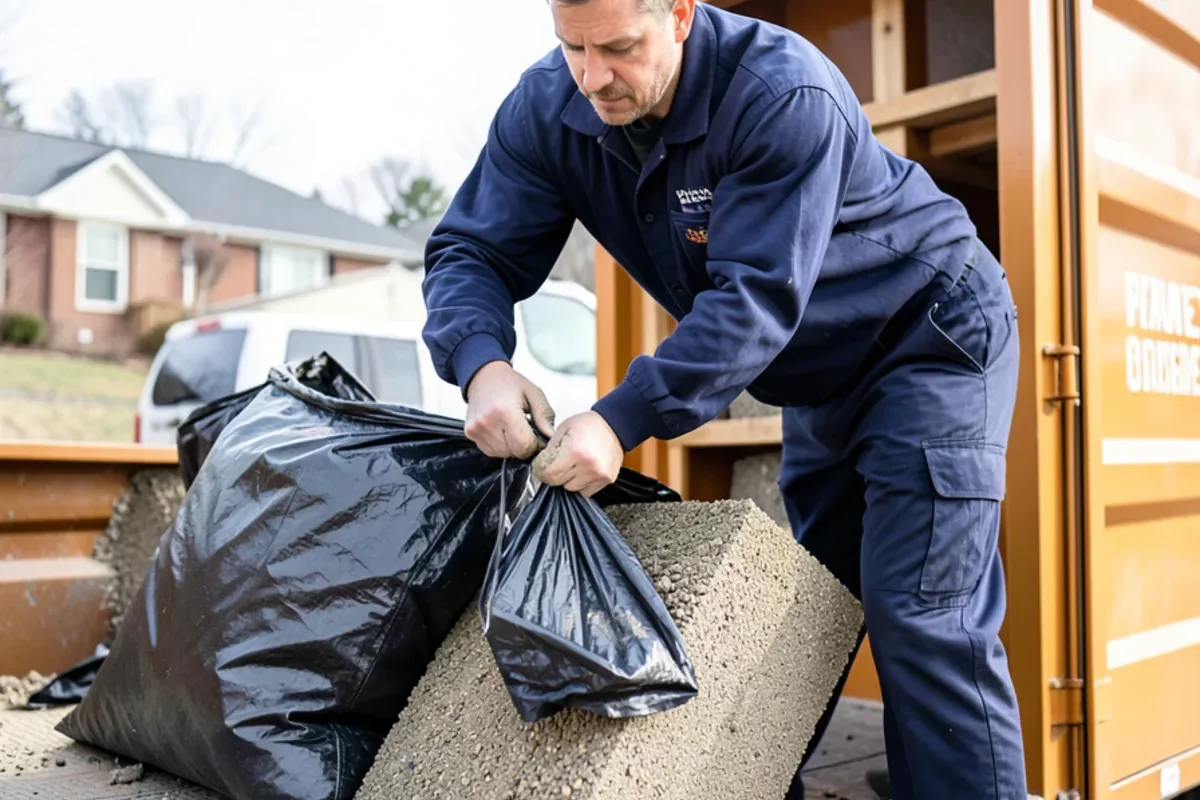
Step 3: Disposal of Contaminated Porous Materials
Saturated carpet, underlayment, baseboards, and drywall are cut, bagged in heavy-gauge biohazard bags, and removed.
Step 4: Hospital-Grade Disinfection & Pressure Scrubbing
Concrete foundation floors and walls are thoroughly pressure-washed and treated with EPA-registered quaternary ammonium or botanical antimicrobials.
Step 5: Structural Dehumidification & Air Scrubbing
Industrial LGR dehumidifiers and HEPA air scrubbers run continuously until relative humidity is stabilized and biological tests verify clean standards.
Step 6: Biological Clearance & Odor Neutralization
Technicians conduct post-remediation ATP surface testing to ensure complete bacterial clearance before signing off on project completion.
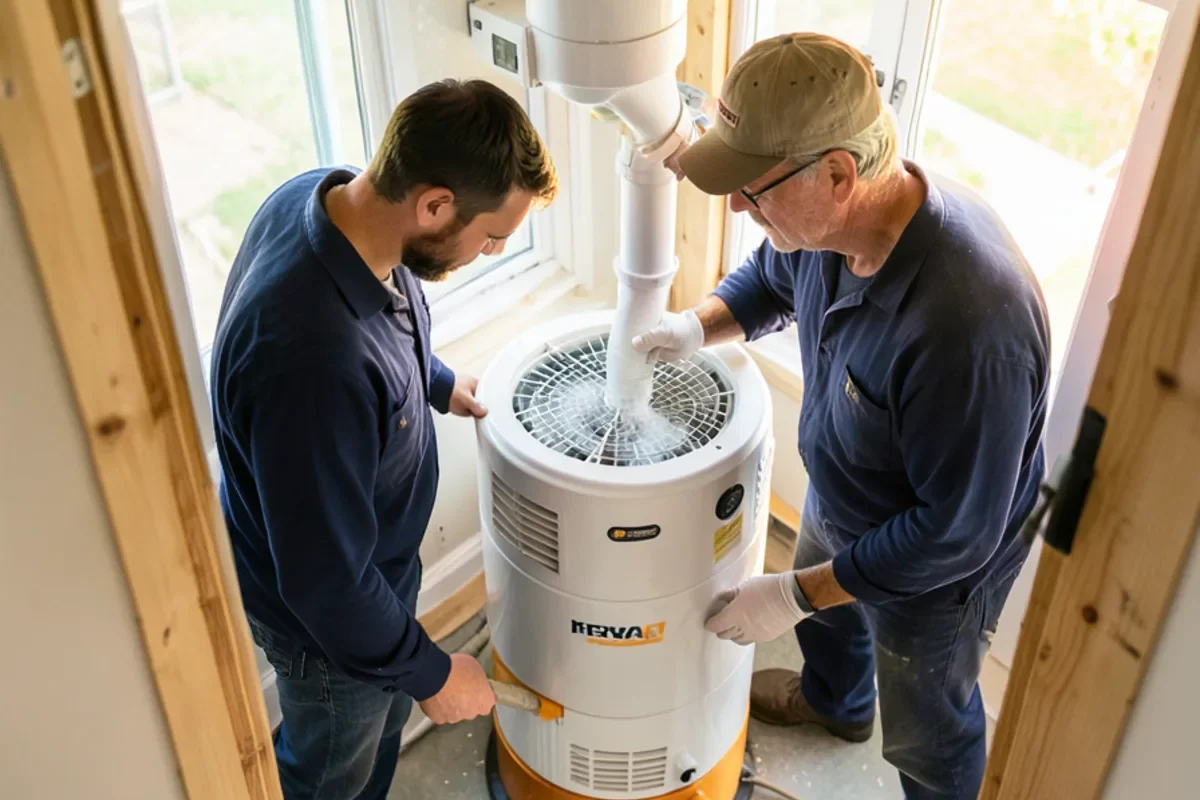
Bulk sewage extraction and sanitizing wash: 4 to 8 hours. Complete structural drying, negative air filtration, and biological clearance: 3 to 5 days.
What Drives the Price of Sewage Backup Cleanup
Every property presents unique architectural and contamination variables. Restoration costs are determined by these primary factors:
Note: An independent contractor will always inspect your property and provide an itemized written estimate before performing non-emergency structural work.
Prevention & Maintenance Recommendations
Biological sewage cleanup requires specialized training in bloodborne pathogens and biohazard remediation (IICRC S500/S520). Any follow-up structural repairs, drywall reconstruction, or plumbing rebuilds in Maryland must be executed by MHIC-licensed contractors and Master Plumbers under the Department of Labor. Verify licensing at dllr.state.md.us.
Always verify that your responding contractor holds active licensing with the Maryland Home Improvement Commission (MHIC) before signing agreements.
Communities Frequently Dispatched for Sewage Backup Cleanup
We connect property owners with independent restoration pros across Baltimore City and nearby suburbs: