
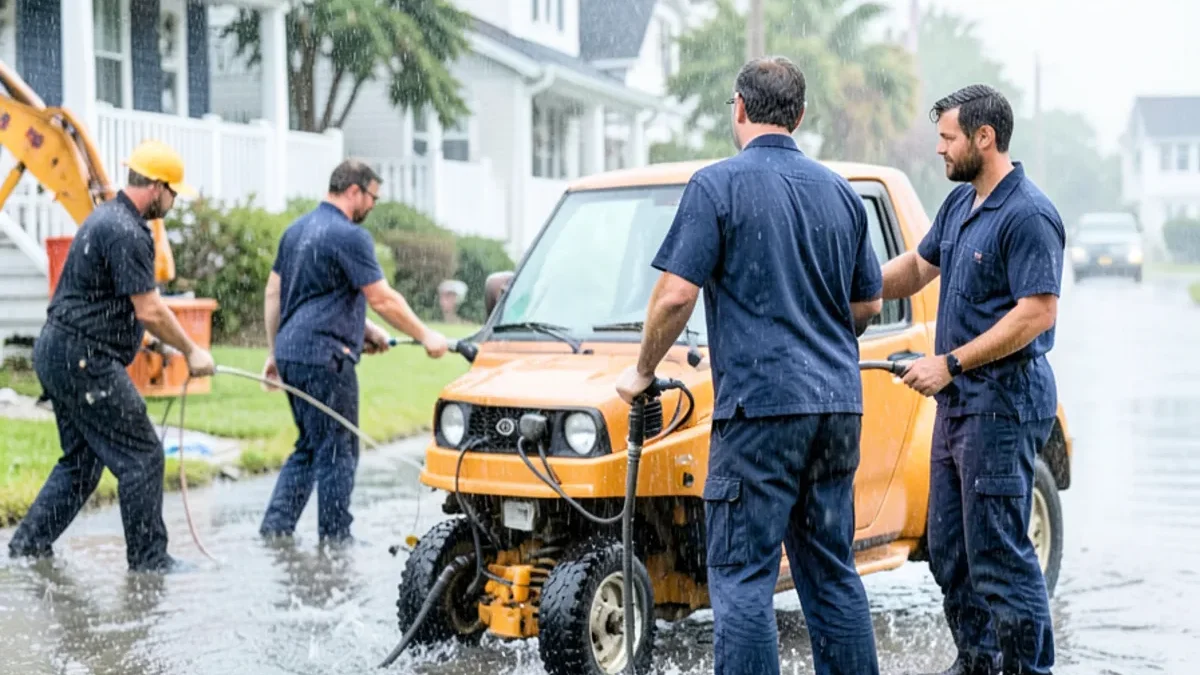
Understanding Storm & Flood Damage Restoration in Baltimore Properties
Storm and flood damage differs fundamentally from typical plumbing leaks. Floodwaters entering from outdoor ground surfaces or storm surges are classified as Category 3 (black water) under ANSI/IICRC S500 standards because they carry street silt, organic decay, chemicals, and biohazards. In addition, wind-driven rain penetrating damaged roof shingles saturates insulation and ceiling drywall from above, while ground runoff submerges basements from below. Fast response is vital to stabilize roofs against secondary rain and pump out basements before foundation walls crack under saturated soil loads.
First 30 Minutes: Post-Storm & Flash Flood Emergency Protocol
Floodwaters rising from severe thunderstorms, nor'easters, or river surges present extreme electrical shock hazards and severe biohazard risks. Follow this immediate stabilization protocol:
Immediate Life Safety Steps
- Never Step into Standing Floodwater if Utilities Are Live: If water reaches basement electrical outlets, furnace baseboards, or service panels, do not enter; contact BGE (1-800-685-0123) or local fire dispatch to disconnect power externally.
- Avoid Direct Contact with Floodwaters (Category 3 Black Water): Outdoor floodwaters carry raw sewage, street runoff, motor oil, agricultural chemicals, and pathogens; keep children and pets completely away from the water line.
- Do Not Attempt DIY Tree or Roof Work During Active Storms: Stay clear of compromised roof areas and downed wires until winds subside and emergency crews arrive.
- Call (702) 478-1007 Immediately: Mobilize emergency trash pump extractors, roof tarping crews, and industrial structural drying equipment before secondary mold colonizes wet framing.
Documenting the Loss for Insurance
- Photograph the High-Water Mark: Capture clear photos of exterior and interior floodlines against foundation walls, door frames, and furniture before water recedes.
- Document Exterior Roof & Structural Damage: Photograph missing roof shingles, tree impacts, compromised siding, and broken windows from ground level.
- Locate Flood vs. Homeowners Policy Declarations: Retrieve your NFIP flood policy and standard homeowners policy documents to identify dual-claim filing requirements.
- Catalog Submerged Appliances and Mechanicals: List water heaters, boilers, well pumps, and washing machines submerged by floodwaters for insurance adjuster review.
How to Identify If You Have a Serious Loss
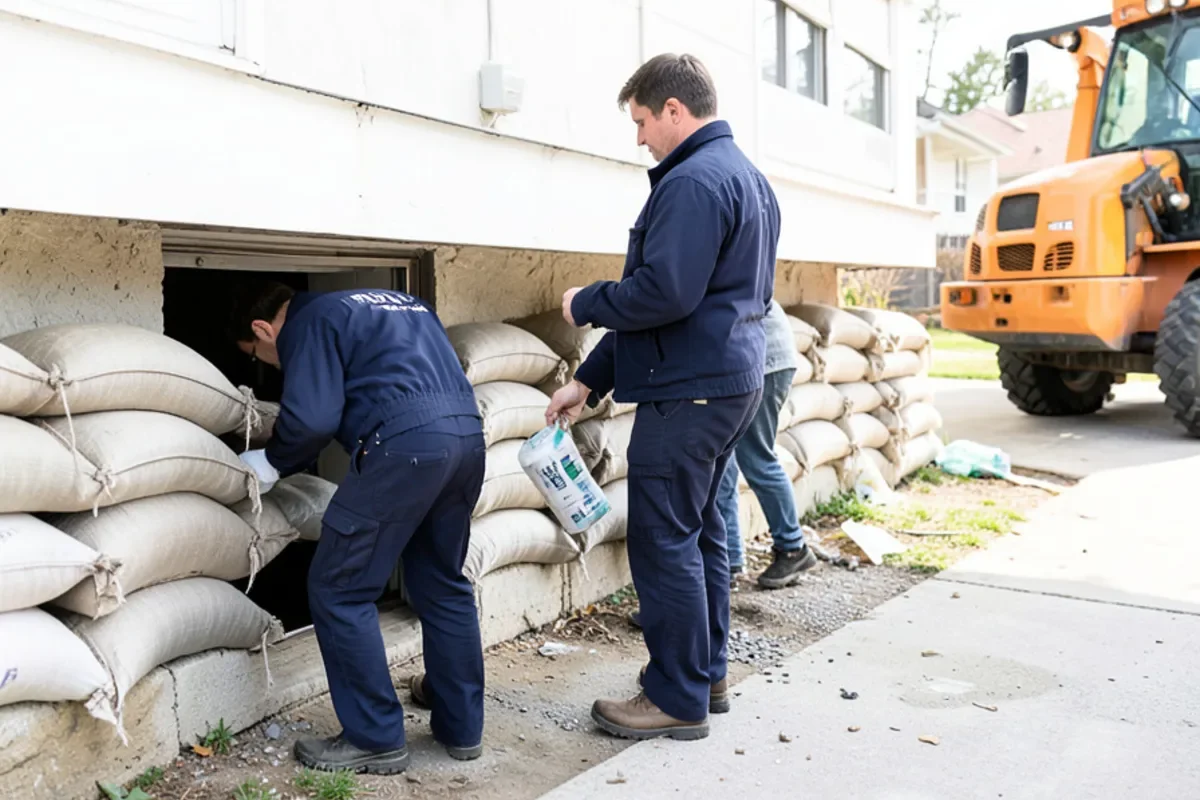
- Stormwater flooding through basement walkouts, egress windows, or foundation doors
- Tidal surge flooding penetrating waterfront living rooms or crawlspaces
- Roof leaks, missing shingles, or punctured decking letting rain into attics and ceilings
- Tree branches impacting rooflines accompanied by active ceiling water leaks
Local Factors & Common Causes in Baltimore
Catastrophic flash flooding in steep Piedmont granite river valleys like the Patapsco River basin
Chesapeake Bay tidal surges driven inland by nor'easters and tropical depressions
Severe summer convective microbursts and wind gusts tearing roof shingles and flashing
Saturated hillside topography sending mud and surface runoff against foundation walls
Facing Storm & Flood Damage Restoration in Baltimore?
Do not wait for structural materials to deteriorate. Call our 24/7 emergency dispatch line to speak with an operator and connect with a local restoration contractor.
What a Restoration Contractor Inspects on Site
Mitigation begins with diagnostic evaluation. The contractor dispatched to your property conducts a thorough forensic moisture assessment:
Exterior structural envelope assessment (roof decking, exterior walls, window integrity)
High-water mark measurement and mud/silt deposit depth evaluation
Electrical and gas utility submersion inspection before entering lower levels
Category 3 biohazard and chemical contaminant testing across submerged surfaces
Thermal moisture scan identifying rain travel pathways through ceilings and interior partitions
Foundation hydrostatic pressure and structural masonry wall deflection evaluation
Mitigation Methodologies & Trade-Offs
Emergency Roof Tarping vs. Temporary Plywood Enclosure
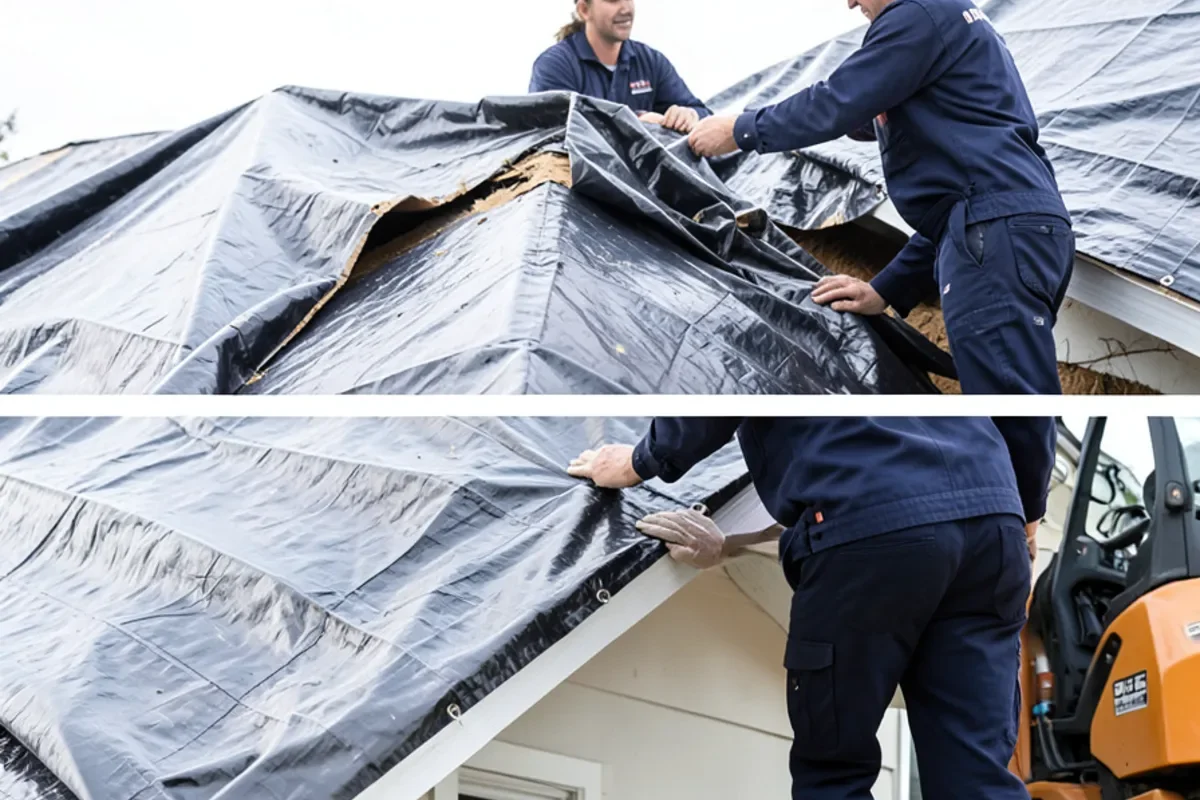
Heavy woven poly tarps secured with wooden furring strips seal large roof shingle blow-offs, while plywood patches secure compromised roof decking or broken windows.
Trash Pumping with Silt Washout vs. Clean Extraction
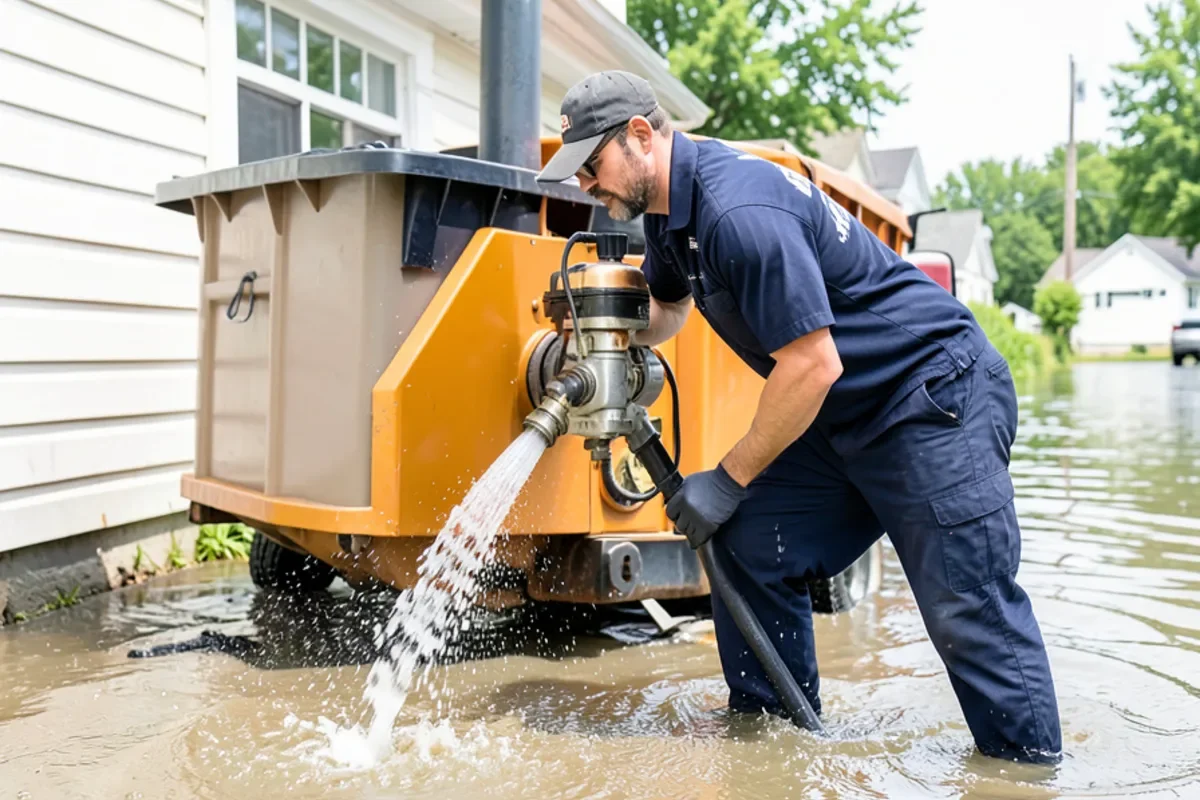
Storm floodwaters carry heavy silt and organic grit that choke standard extractors; gasoline-powered trash pumps evacuate thick debris-laden water.
Freshwater Desalination Flush vs. Direct Dehumidification for Tidal Surges
Brackish Chesapeake Bay floodwaters leave microscopic salt crystals embedded in wood fibers that perpetually pull moisture from the air unless flushed with clean fresh water.
Step-by-Step Restoration Workflow
Step 1: Immediate Triage & Roof Stabilization
Call (702) 478-1007. Crews mobilize with emergency tarps, lumber, and high-capacity trash pumps to secure the property against additional rainfall.
Step 2: Floodwater Pumping & Mud Extraction
Gas-powered trash pumps evacuate standing floodwaters and technicians shovel out silt deposits from basement slabs.
Step 3: Porous Material Removal & Biohazard Wash
Saturated carpet, drywall, and insulation touched by Category 3 floodwaters are removed, and slabs are pressure-washed with hospital-grade antimicrobials.
Step 4: Industrial Dehumidification & Cavity Air Movement
Commercial LGR dehumidifiers and high-velocity air movers establish drying chambers to remove moisture from framing lumber.
Step 5: FEMA & Insurance Documentation
The contractor documents waterlines with photos, moisture readings, and itemized scopes formatted for private insurance and NFIP flood adjusters.
Step 6: Antimicrobial Clearance & Rebuild Readiness
Surfaces receive final EPA-registered botanical antimicrobials, framing moisture content is verified below 15%, and clearances are documented for MHIC-licensed rebuilding.
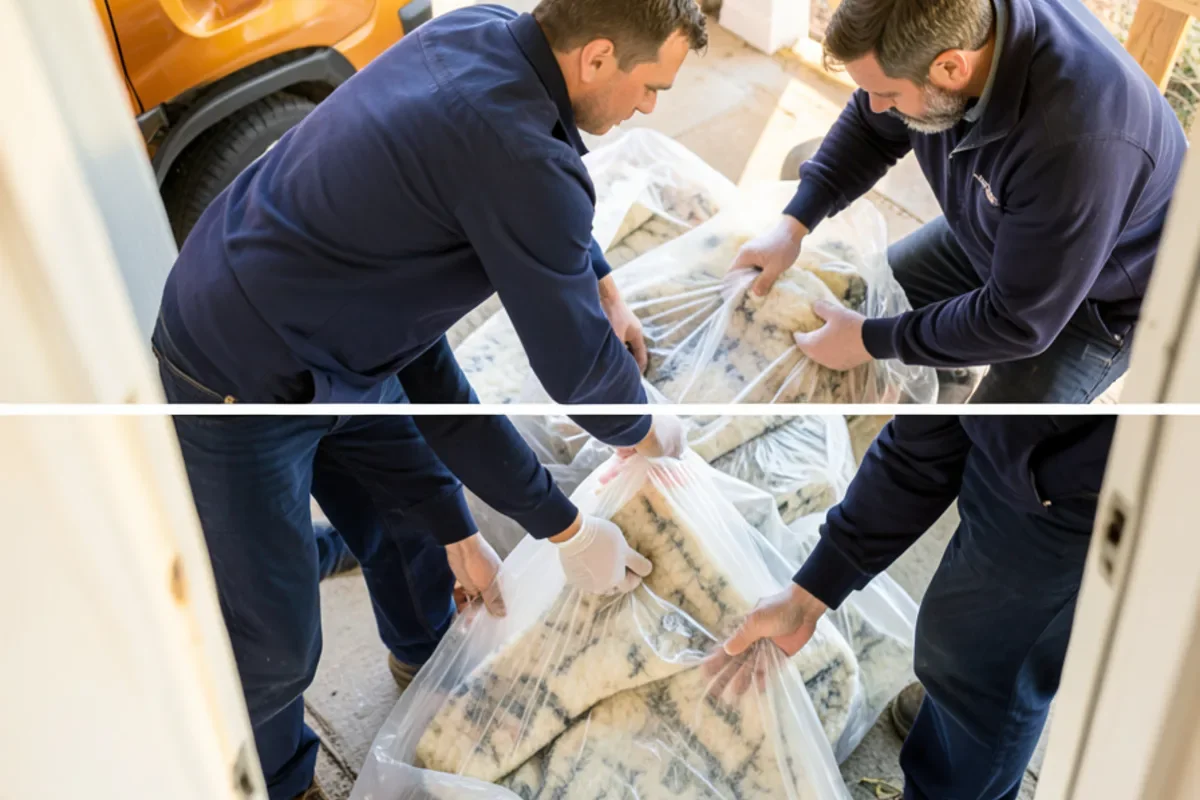
Emergency tarping and flood pumping: 3 to 6 hours. Complete mud removal, sanitizing, and structural drying: 4 to 7 days.
What Drives the Price of Storm & Flood Damage Restoration
Every property presents unique architectural and contamination variables. Restoration costs are determined by these primary factors:
Note: An independent contractor will always inspect your property and provide an itemized written estimate before performing non-emergency structural work.
Prevention & Maintenance Recommendations
Permanent roof reconstruction, structural framing repairs, and foundation masonry restoration following a storm in Maryland require a valid license from the Maryland Home Improvement Commission (MHIC). Verify contractor credentials at dllr.state.md.us.
Always verify that your responding contractor holds active licensing with the Maryland Home Improvement Commission (MHIC) before signing agreements.
Communities Frequently Dispatched for Storm & Flood Damage Restoration
We connect property owners with independent restoration pros across Baltimore City and nearby suburbs: