
Understanding Emergency Water Extraction in Baltimore Properties
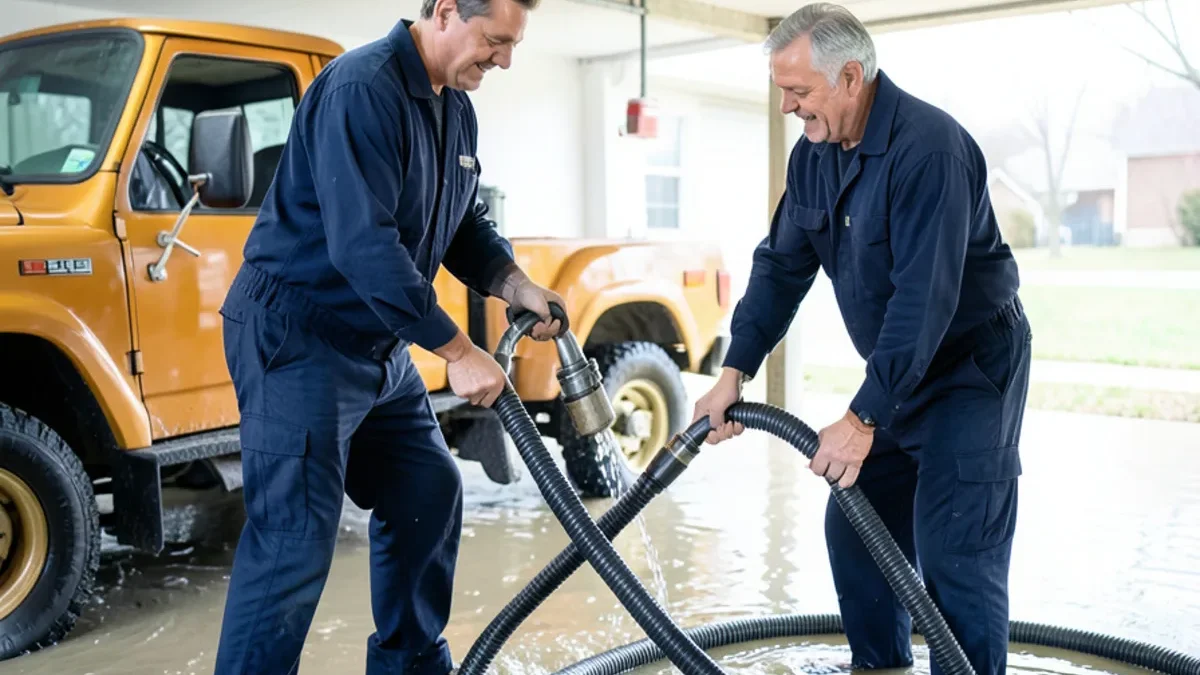
Standing water exerts immediate hydrostatic and capillary pressure on Baltimore residential and commercial structures. When torrential summer cloudbursts, Patapsco storm surges, or ruptured city water mains inundate a property, excess liquid quickly saturates concrete floor slabs, seeps under bottom plates, and migrates into shared masonry party walls. Household shop vacuums and domestic submersible pumps lack the lift and CFM volume required to evacuate hundreds of gallons before structural saturation occurs. Professional emergency water removal deploys truck-mounted vacuum systems capable of extracting over 1,000 gallons per hour alongside high-volume submersible trash pumps for deep inundations, preventing porous drywall and subflooring from absorbing water beyond salvageable limits.
Immediate Standing Water Safety & Emergency Actions
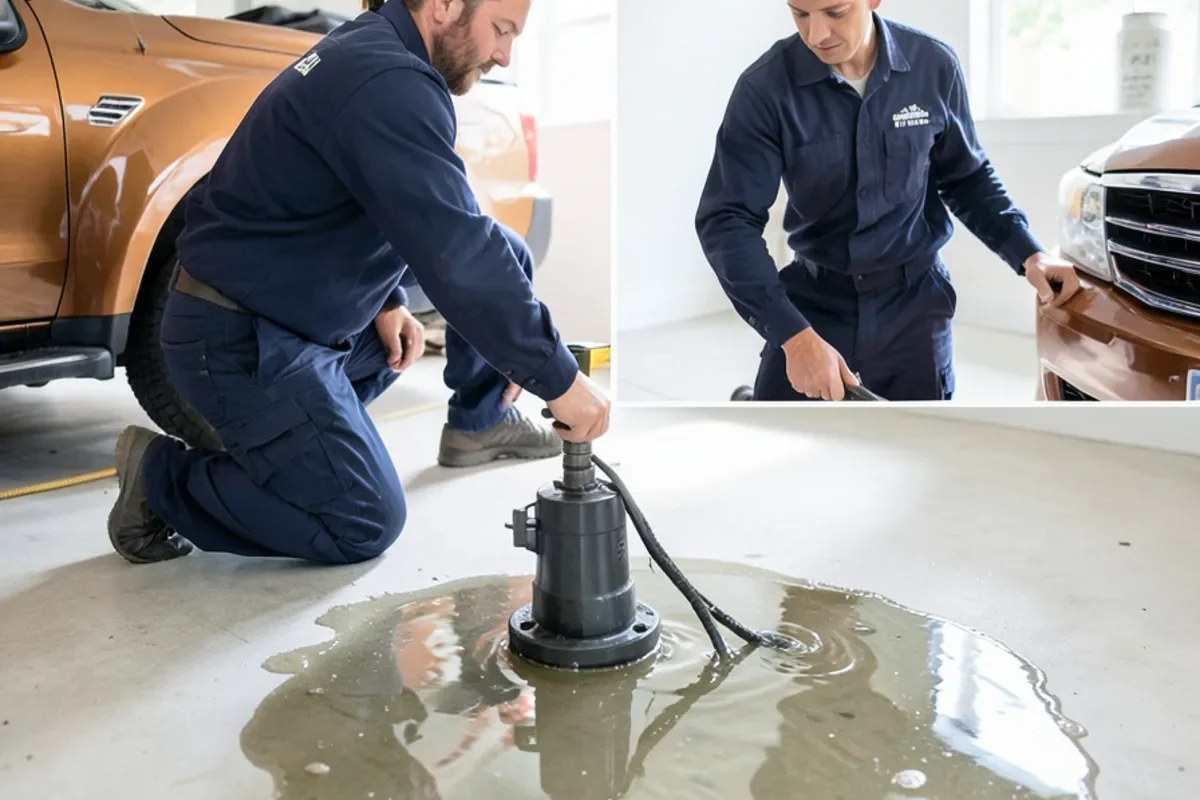
Deep standing water presents severe electrical and biological hazards. Take these immediate safety precautions before the emergency water extraction crew arrives on site:
Immediate Life Safety Steps
- Avoid Electrical Shock: Never step into a flooded basement or standing puddle if water touches electrical outlets, wiring, baseboard heaters, or your main breaker panel.
- Shut Off the Interior Main: If flooding is caused by an internal pipe failure and you can reach the shutoff valve without walking through water, turn it clockwise completely.
- Do Not Run Household Vacuums: Domestic vacuum cleaners and standard electric shop vacuums are shock hazards in standing water and cannot handle high volume.
- Call 24/7 Emergency Dispatch: Call (702) 478-1007 immediately to dispatch an extraction team equipped with commercial pumps and high-lift vacuum hoses.
Documenting the Loss for Insurance
- Photograph the High Water Mark: Take clear photos showing water levels against door frames, drywall, and basement foundation walls before pumping begins.
- Document Water Source: Record video or photos of the overflowing sump pit, failed water heater, burst supply line, or storm drain backup point.
- List High-Value Contents: Note submerged furnishings, appliances, and personal items for your Maryland insurance claim file.
- Preserve Plumbing Components: Retain any broken valve, ruptured flex line, or failed pipe fitting for insurance adjuster verification.
How to Identify If You Have a Serious Loss
- Standing water pooling across basement slabs, crawlspaces, or ground-level living areas
- Saturated carpets squishing water underfoot and water wicking into wall baseboards
- Active water streaming through ceiling light fixtures or cascading down interior staircases
- Overflowing sump pump pits spilling murky runoff into finished basements or mechanical rooms
- Sewage or storm drain backflow bubbling up through basement floor drains and toilets
Local Factors & Common Causes in Baltimore
Severe convective thunderstorms overwhelming Baltimore combined storm and sanitary sewer infrastructure
Aging Baltimore City municipal water main ruptures flooding low-lying street-level window wells
Sudden winter freeze pipe ruptures releasing continuous high-pressure supply line water
Primary sump pump mechanical failure or electric grid power outages during severe nor'easters
High hydrostatic water table pressure forcing groundwater through historic stone rubble foundations
Facing Emergency Water Extraction in Baltimore?
Do not wait for structural materials to deteriorate. Call our 24/7 emergency dispatch line to speak with an operator and connect with a local restoration contractor.
What a Restoration Contractor Inspects on Site
Mitigation begins with diagnostic evaluation. The contractor dispatched to your property conducts a thorough forensic moisture assessment:
Immediate electrical hazard and overhead ceiling stability clearance
Water depth measurement and source containment verification
Water contamination classification under ANSI/IICRC S500 guidelines
Subfloor, joist, and masonry moisture penetration mapping
Accessibility assessment for truck-mounted hose routing versus portable extraction units
Drainage route identification to ensure compliant wastewater discharge
Mitigation Methodologies & Trade-Offs
Submersible Trash Pumps vs. Truck-Mounted Vacuums
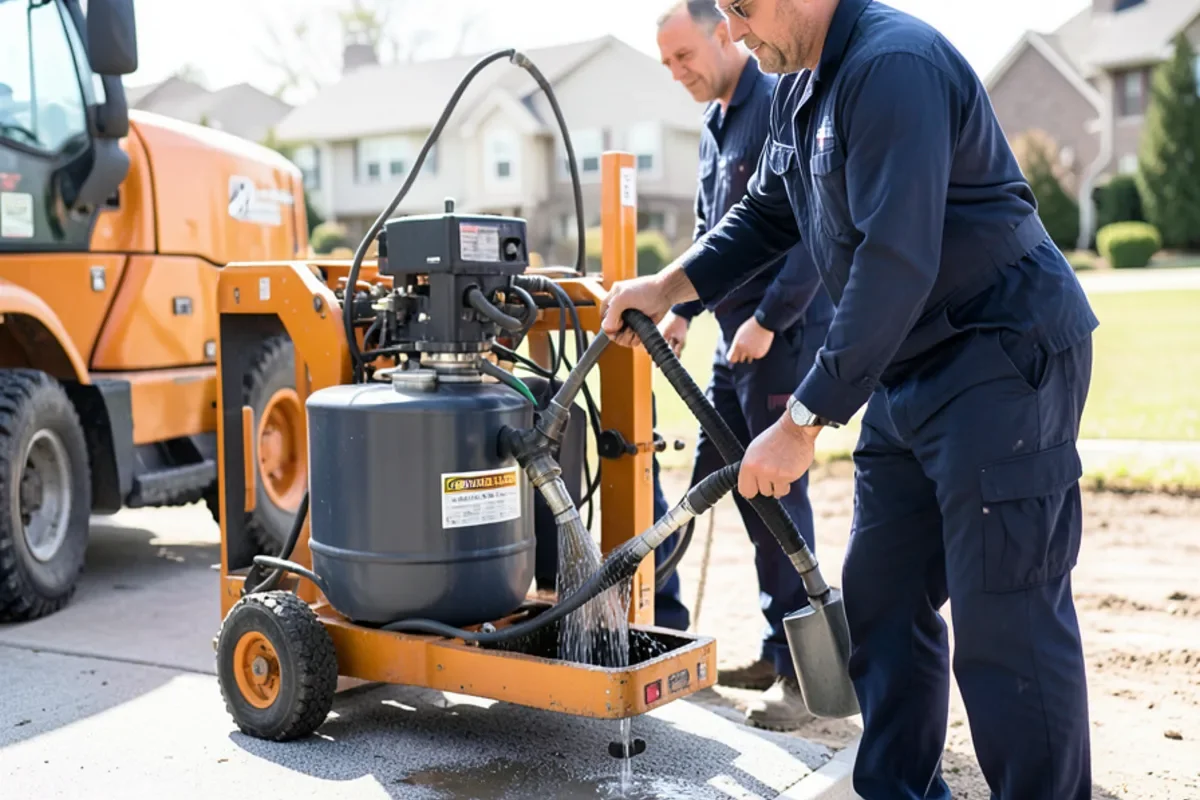
Submersible trash pumps evacuate deep standing water (several inches to feet) rapidly at rates exceeding 2,500 gallons per hour, while truck-mounted vacuum wands extract residual surface water, concrete slab moisture, and saturated carpet fibers.
Weighted Extraction Rovers vs. Manual Floor Squeegees
Self-propelled weighted extraction machines compress carpet and pad under physical rider weight, pulling up to 90% of trapped liquid out of fibers through powerful suction slots.
Truck-Mounted Vacuum Systems vs. High-Capacity Portable Extractors
Truck-mounted units deliver extreme vacuum lift for properties with street parking, while heavy-duty portable multi-motor extractors navigate narrow Baltimore rowhouse alleys and walkout basements.
Step-by-Step Restoration Workflow
Step 1: Emergency Intake & Crew Mobilization
When you call (702) 478-1007, an intake specialist gathers loss details: estimated water depth, power status, and property address to dispatch the nearest equipped extraction unit.
Step 2: Electrical Hazard Assessment & Containment
On arrival, the response crew verifies electrical clearance, isolates hazards, sets protective entryway floor ramps, and routes heavy-duty vacuum hoses.
Step 3: High-Volume Bulk Submersible Pumping
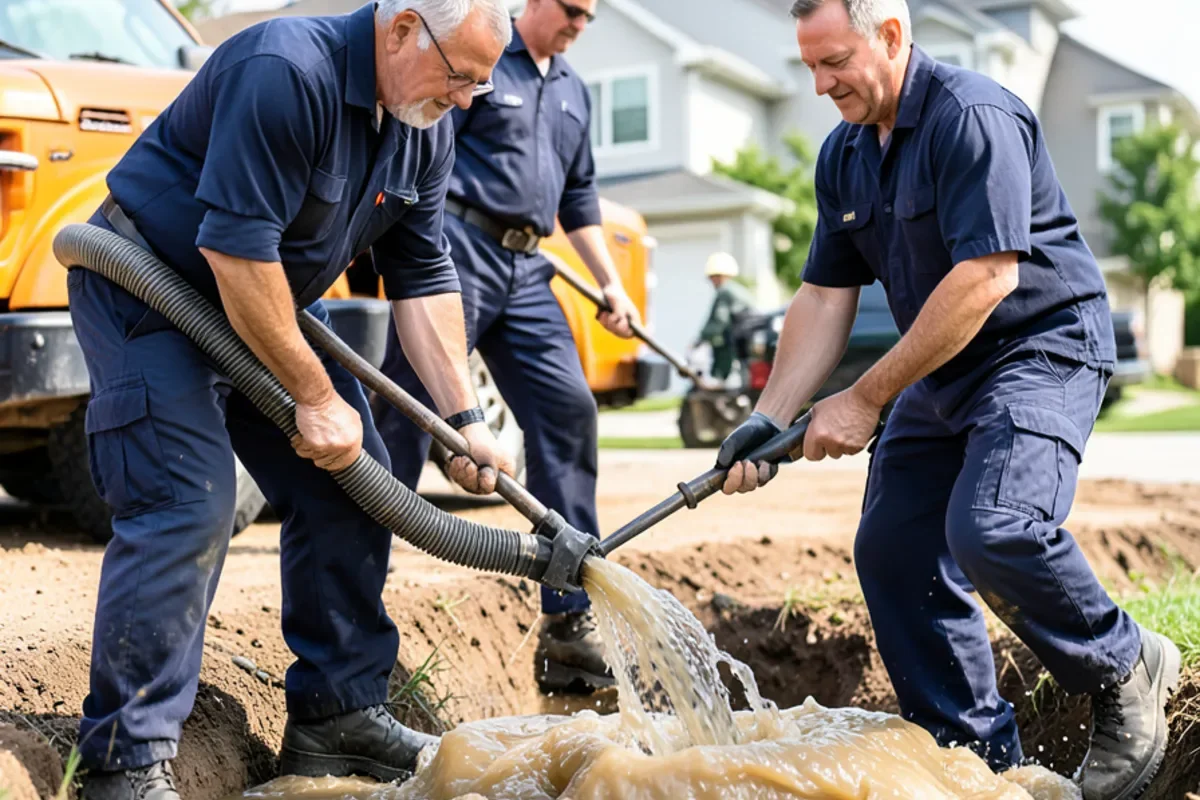
Submersible pumps quickly evacuate standing pools, discharging wastewater into municipal sanitary connections or approved drainage points per local regulations.
Step 4: Deep Extraction of Slabs, Carpets & Subfloors
Industrial extraction wands and weighted rovers pull embedded moisture from porous concrete slabs, tile grout lines, and saturated carpet underlayment.
Step 5: Antimicrobial Sanitization & Transition to Drying
Once standing liquid is removed, the crew applies EPA-registered botanical antimicrobials to prevent mold colonization and deploys LGR dehumidifiers to begin structural drying.
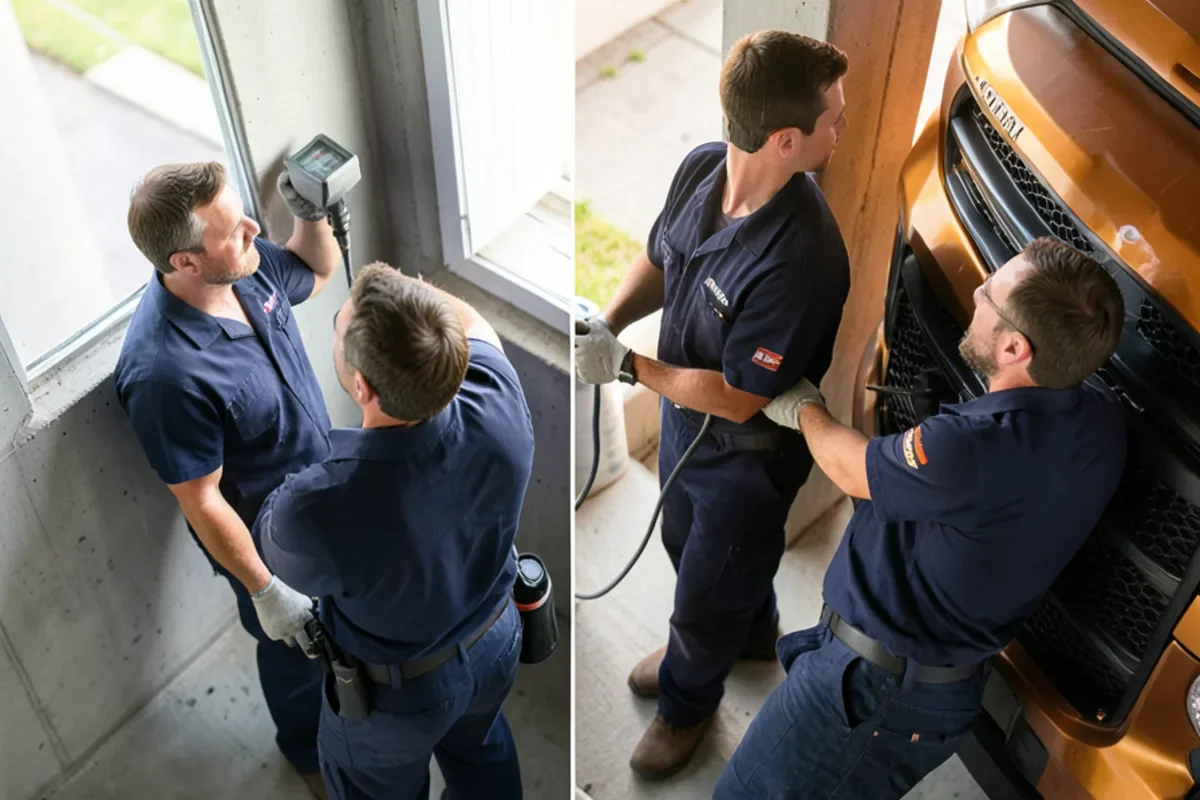
Bulk water extraction typically takes 1 to 3 hours depending on standing water volume and affected square footage. The property is left free of standing liquid and prepared for mechanical structural drying.
What Drives the Price of Emergency Water Extraction
Every property presents unique architectural and contamination variables. Restoration costs are determined by these primary factors:
Note: An independent contractor will always inspect your property and provide an itemized written estimate before performing non-emergency structural work.
Prevention & Maintenance Recommendations
In Maryland, emergency water extraction aimed at stabilizing property does not always require a general home improvement license, but any accompanying structural demolition, drywall removal, or rebuilding must be conducted by an MHIC-licensed contractor under the Department of Labor. Verify your contractor's MHIC credential at dllr.state.md.us/license/mhic.
Always verify that your responding contractor holds active licensing with the Maryland Home Improvement Commission (MHIC) before signing agreements.
Communities Frequently Dispatched for Emergency Water Extraction
We connect property owners with independent restoration pros across Baltimore City and nearby suburbs: