
Understanding Burst Pipe & Leak Water Damage in Baltimore Properties
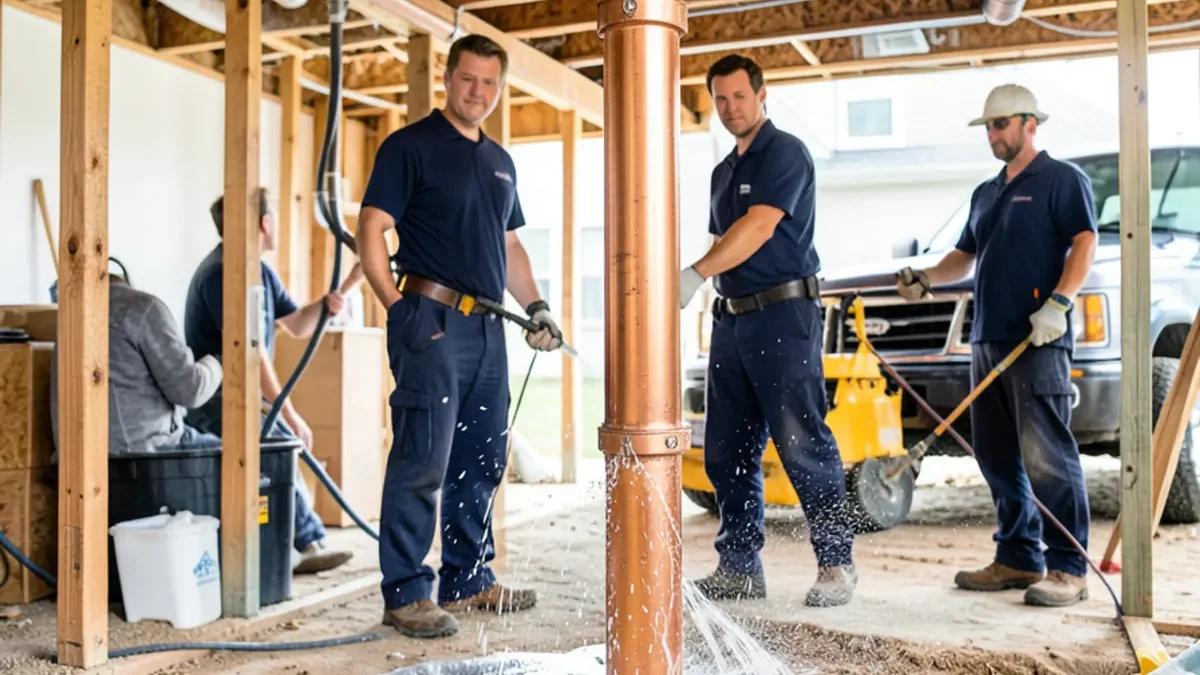
In older Baltimore brick rowhouses, plumbing supply lines often run through exterior perimeter wall chases that lack modern fiberglass or foam insulation. During winter cold snaps when temperatures drop into the teens, cold air penetrating mortar joints quickly freezes trapped water. The resulting ice expansion fractures copper, galvanized, or CPVC piping. Once temperatures rise, pressurized water discharges at 40 to 60 PSI, saturating multi-story living areas. Because clean pipe water (Category 1) degrades into gray water (Category 2) within 24 to 48 hours as it contacts building dirt and drywall paper, immediate extraction is critical.
Immediate Emergency Actions for a Burst Pipe or Ceiling Leak
Pressurized pipe bursts discharge up to 500 gallons of clean water per hour. Take these immediate actions to stop flooding and prevent ceiling collapse:
Immediate Life Safety Steps
- Shut Off the Main Water Valve: Locate your main shutoff valve (usually in the front basement near the water meter) and turn it fully clockwise immediately.
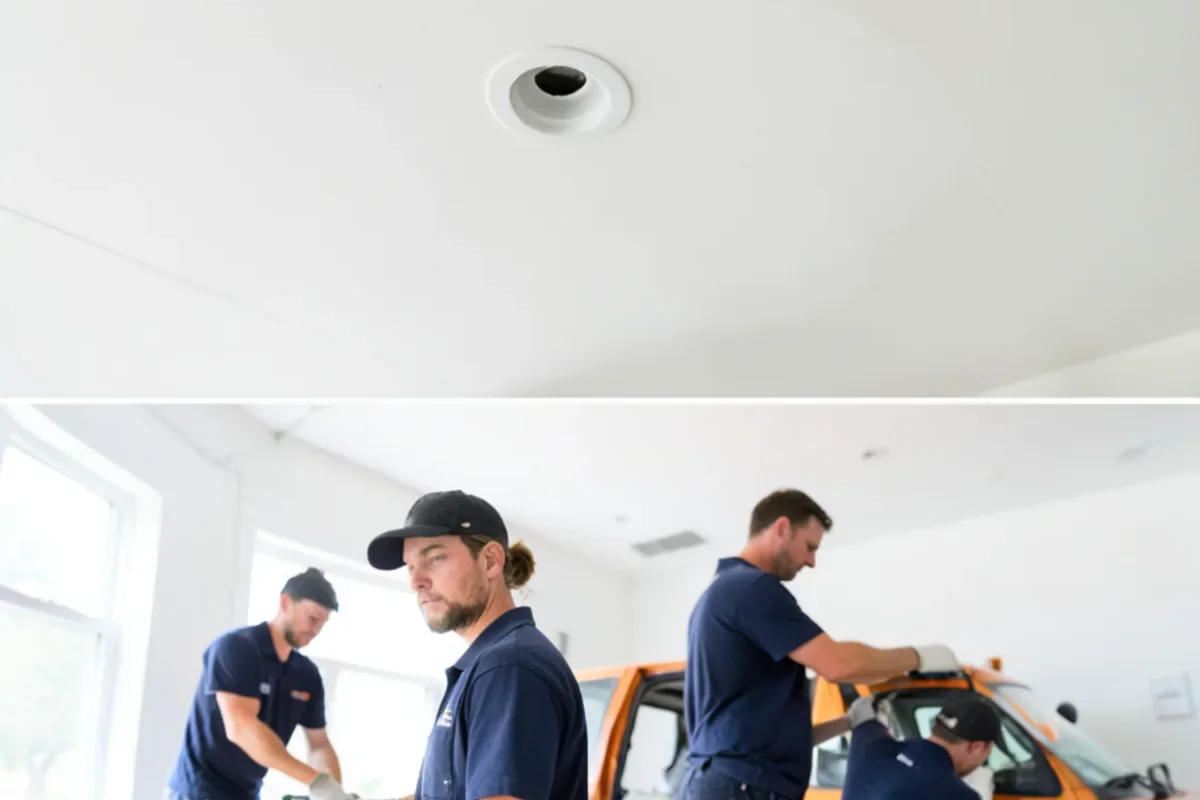
- Relieve Trapped Ceiling Water: If drywall or plaster is bulging, place a large plastic trash bin or bucket beneath the sag and carefully puncture a small relief hole in the center with a screwdriver to drain water before the ceiling collapses.
- Shut Off Electrical Breakers: If water is raining through recessed light cans, ceiling fans, or wall switches, turn off the corresponding circuit breakers at your main panel.
- Call Emergency Dispatch: Call (702) 478-1007 to mobilize rapid extraction wands, moisture meters, and structural cavity drying equipment.
Documenting the Loss for Insurance
- Photograph the Ceiling Deflection: Capture photos of sagging plaster and water pooling on floors before water is drained.
- Document the Broken Pipe Section: Photograph the ruptured copper fitting, split CPVC line, or leaking water heater tank.
- Inventory Damaged Belongings: Take pictures of wet furniture, electronics, carpets, and clothing for your Maryland insurance claim.
- Retain the Broken Pipe: Have your plumber save the damaged pipe section in a bucket for the insurance adjuster's physical inspection.
How to Identify If You Have a Serious Loss
- Water raining through ceiling plaster, recessed lighting fixtures, or ceiling fans
- Loud hissing or rushing water sounds behind walls when fixtures are turned off
- Bulging, yellowing, or sagging drywall ceilings holding water pockets
- Sudden loss of household water pressure accompanied by basement water pooling
- Warping, buckling, or cupping hardwood flooring beneath a recent plumbing line
Local Factors & Common Causes in Baltimore
Sudden winter freeze cycles causing expansion splits in uninsulated Baltimore rowhome exterior wall chases
End-of-life tank failure in residential water heaters past 8 to 10 years of continuous operation
Corrosion and pinhole leaks in 50-year-old copper supply lines across mid-century Baltimore County homes
Pressurized municipal water main breaks sending shock waves and backflow through laterals
Failure of unreinforced rubber washing machine hoses under continuous household water pressure
Facing Burst Pipe & Leak Water Damage in Baltimore?
Do not wait for structural materials to deteriorate. Call our 24/7 emergency dispatch line to speak with an operator and connect with a local restoration contractor.
What a Restoration Contractor Inspects on Site
Mitigation begins with diagnostic evaluation. The contractor dispatched to your property conducts a thorough forensic moisture assessment:
Locate and verify main incoming water meter shutoff status
Infrared thermal imaging to trace vertical water paths down wall cavities and multi-story ceilings
Drilling small relief weep holes in sagging ceilings to drain trapped water safely
Evaluating subfloor saturation beneath hardwood, tile, and laminate flooring
Moisture meter readings on framing studs, plaster lath, and rim joist cavities
Inspection of ceiling joist deflection and drywall fastener integrity
Mitigation Methodologies & Trade-Offs
Non-Invasive Wall Cavity Drying vs. Drywall Stripping
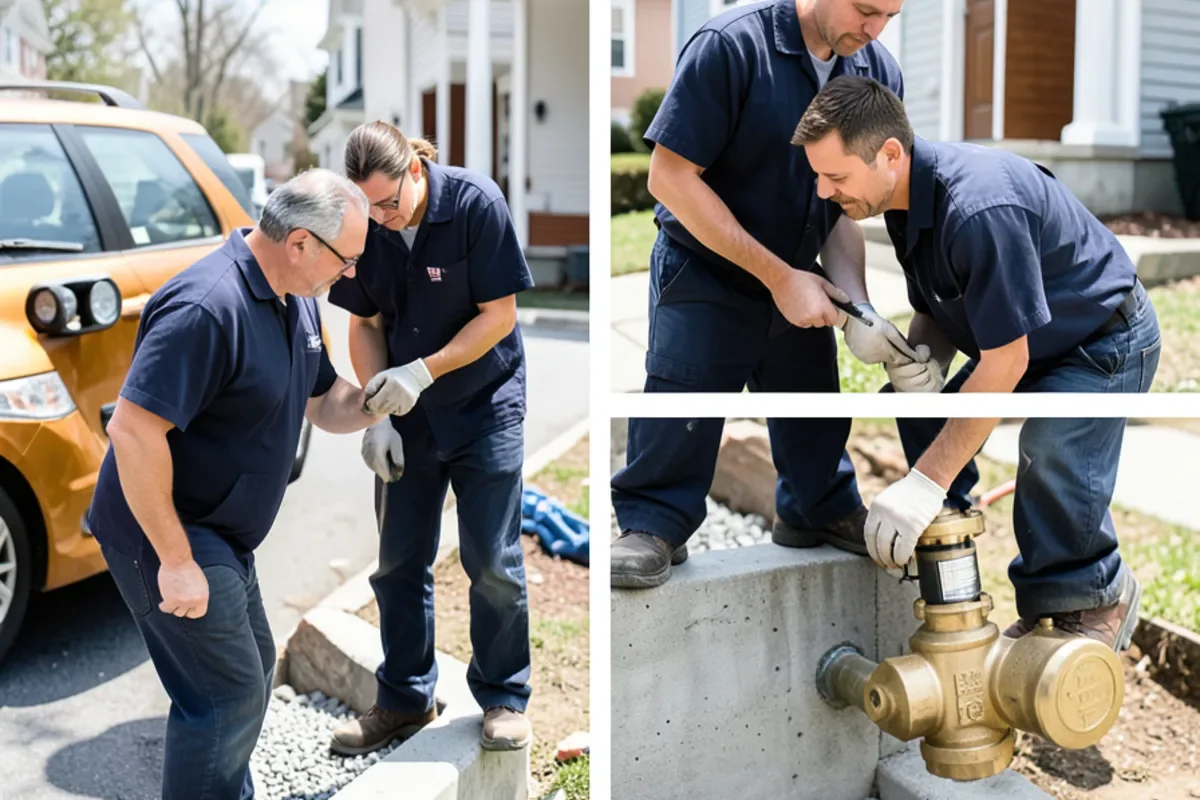
Specialized drying systems inject heated, low-grain air through small baseboard holes into stud cavities, preserving drywall if insulation is clean.
Hardwood Floor Rescue Mats vs. Subfloor Replacement
Vacuum mat systems clamp onto saturated hardwood flooring to draw trapped water up through tongue-and-groove seams.
Overhead Plaster Preservation vs. Controlled Ceiling Removal
Relieving water weight through weep holes allows historic lath and plaster to dry in place with industrial dehumidification if keys remain bonded.
Step-by-Step Restoration Workflow
Step 1: Emergency Call & Shutoff Guidance
Call (702) 478-1007. Dispatchers guide you to shut off your main water valve and cut electrical breakers to wet ceiling fixtures.
Step 2: Emergency Response & Controlled Ceiling Drainage
Crews arrive, relieve trapped ceiling water pockets safely, and map the full vertical perimeter of water migration.
Step 3: Multi-Level Extraction & Pad Removal
Industrial vacuums extract standing water across all affected floors, removing saturated ceiling drywall if collapse is imminent.
Step 4: Thermal Monitoring & Cavity Air Movement
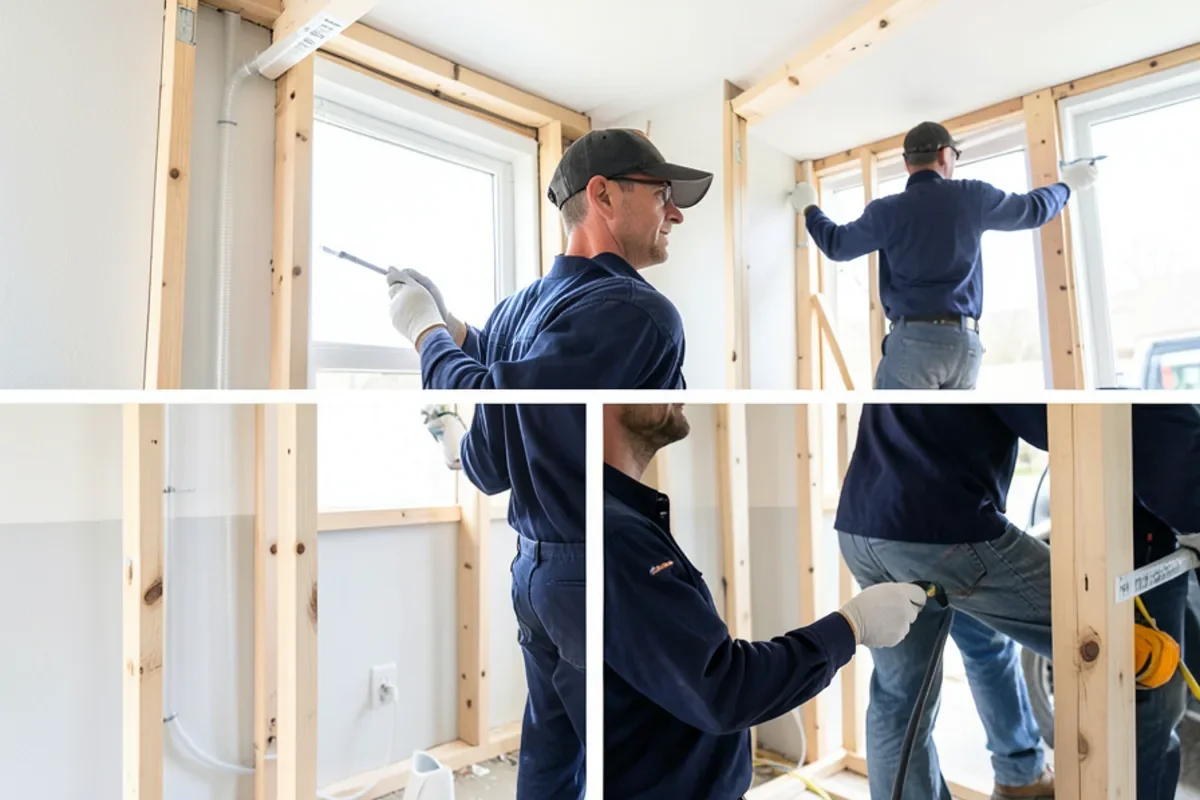
High-pressure cavity drying systems, axial air movers, and LGR dehumidifiers are established to dry timber framing and joist bays.
Step 5: Complete Loss Documentation for Insurance
The contractor photographs the failed pipe section, logs moisture metrics, and prepares an itemized scope for your insurance carrier.
Step 6: Moisture Clearance & Post-Drying Verification
Daily psychrometric logs confirm that all framing studs, subfloors, and ceiling joists meet dry baseline standards before reconstruction starts.
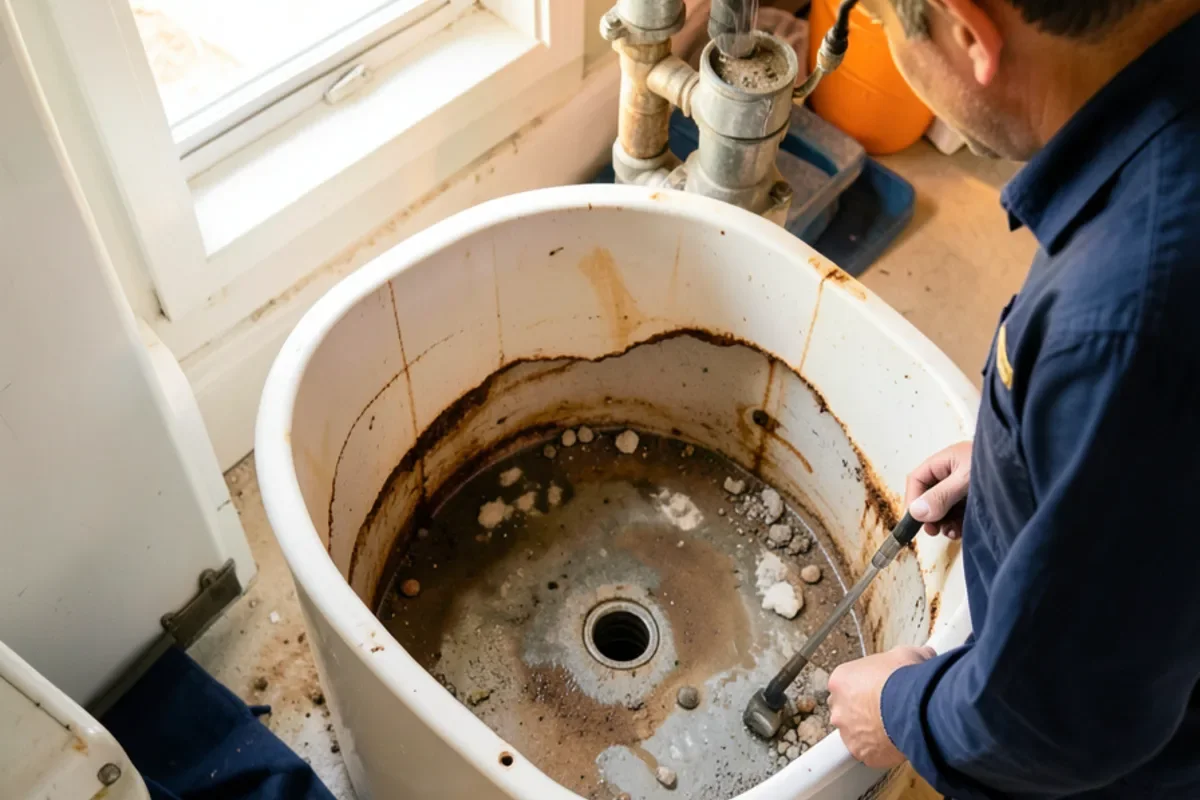
Water shutoff and bulk extraction: 1 to 3 hours. Complete multi-floor drying of wood framing and wall cavities: 3 to 4 days.
What Drives the Price of Burst Pipe & Leak Water Damage
Every property presents unique architectural and contamination variables. Restoration costs are determined by these primary factors:
Note: An independent contractor will always inspect your property and provide an itemized written estimate before performing non-emergency structural work.
Prevention & Maintenance Recommendations
Plumbing pipe repairs in Maryland must be completed by a licensed Master Plumber under the Maryland State Board of Plumbing. Subsequent structural carpentry, drywall repair, and rebuilding must be performed by an MHIC-licensed contractor under the Department of Labor.
Always verify that your responding contractor holds active licensing with the Maryland Home Improvement Commission (MHIC) before signing agreements.
Communities Frequently Dispatched for Burst Pipe & Leak Water Damage
We connect property owners with independent restoration pros across Baltimore City and nearby suburbs: