
Understanding Mold Remediation in Baltimore Properties
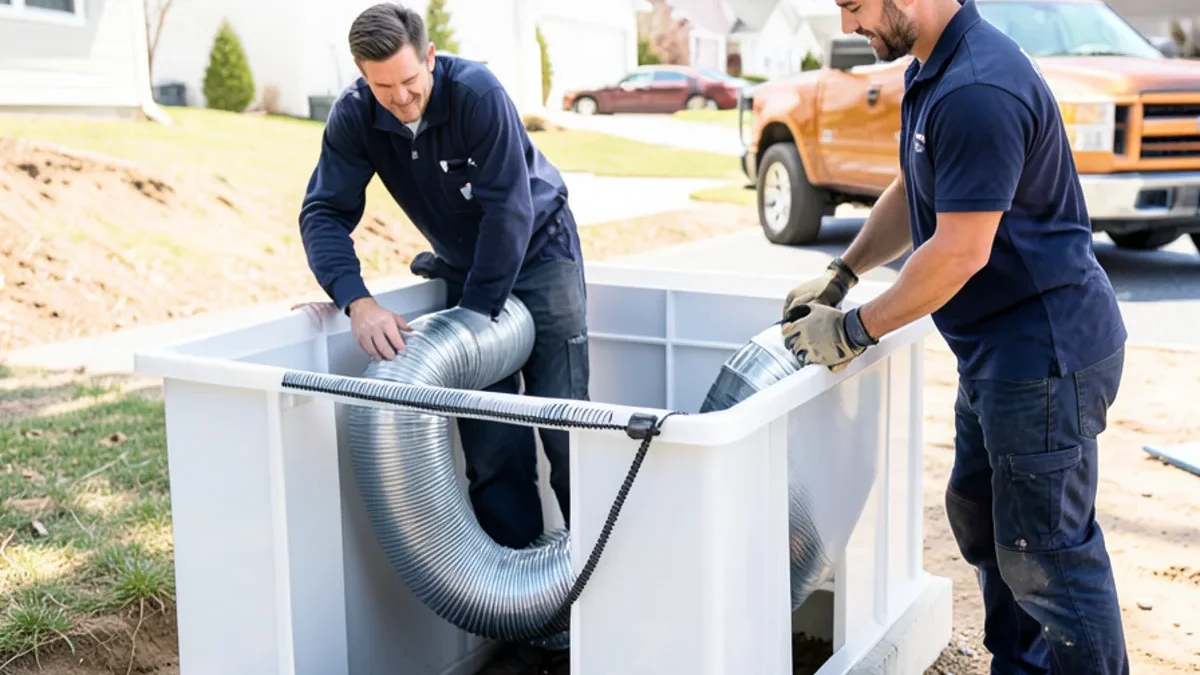
Mold is an environmental symptom of an uncorrected moisture problem. In Baltimore's older residential architecture, damp stone basements, unventilated crawlspaces, and historic rowhouse party-wall cavities offer dark, damp environments rich in cellulose food sources. Common fungal species like Aspergillus, Penicillium, Cladosporium, and Stachybotrys chartarum release mycotoxins and airborne spores that trigger allergic reactions, asthma attacks, and respiratory inflammation. Spraying household bleach on porous surfaces is ineffective because bleach cannot penetrate porous wood grain. Professional remediation follows strict ANSI/IICRC S520 guidelines to physically remove fungal colonies under airtight negative-pressure containment.
First 30 Minutes Protocol Upon Discovering Indoor Mold
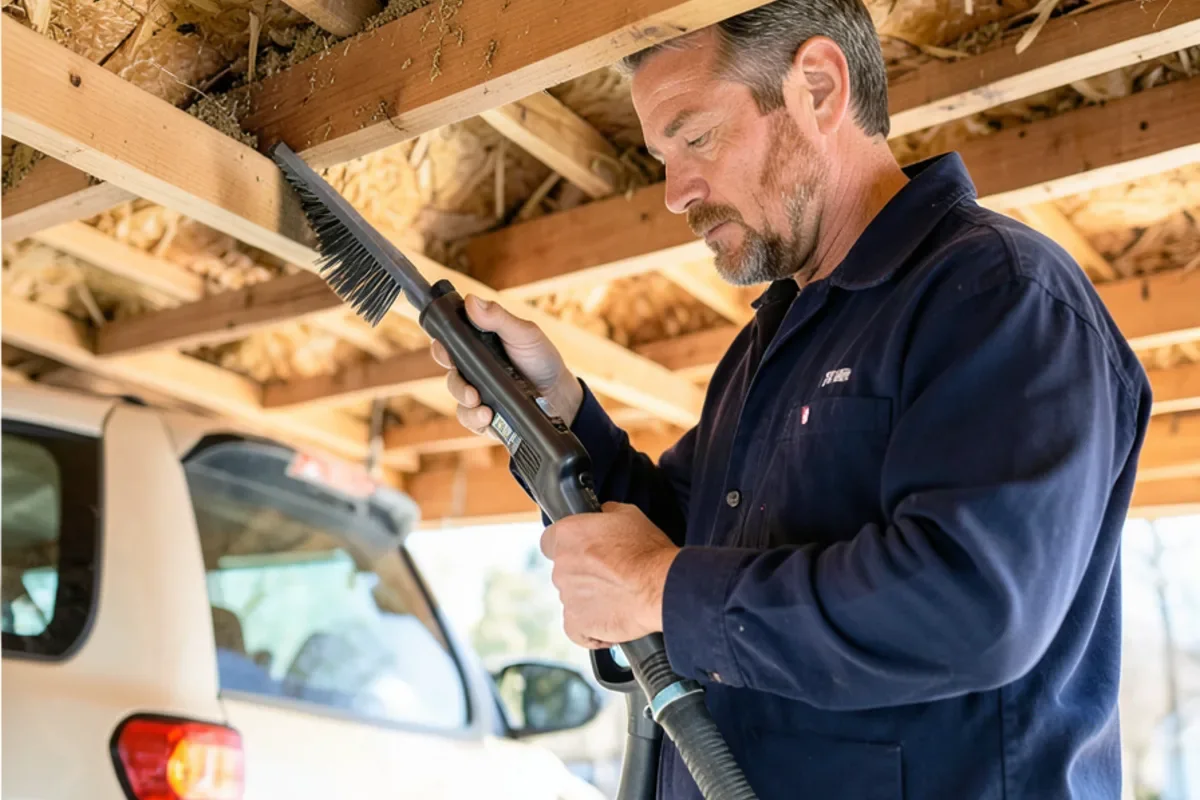
Disturbing active mold colonies releases millions of microscopic spores into the air, causing rapid cross-contamination. Follow these immediate containment steps:
Immediate Life Safety Steps
- Do Not Scrape, Scrub, or Brush the Mold: Agitating mold colonies without negative air containment forces spores into your home's air stream and HVAC ductwork.
- Do Not Spray Household Bleach: Bleach only removes surface color on non-porous surfaces while its water content penetrates porous wood and drywall, feeding fungal roots.
- Shut Off HVAC Fans and Close Doors: Turn off heating or air conditioning systems and close the door to the affected room to isolate airborne spores.
- Call (702) 478-1007 for Professional Containment: Contact our emergency dispatch desk to schedule an evaluation with an IICRC-trained mold remediation contractor.
Documenting the Loss for Insurance
- Photograph Visible Growth: Take clear photos of fungal spotting on drywall, baseboards, or ceiling joists without physically disturbing materials.
- Identify Potential Moisture Sources: Note recent plumbing leaks, roof drips, damp foundation walls, or high indoor humidity levels.
- Record Unresolved Water History: Document dates of any previous basement floods, burst pipes, or sewage backups for insurance records.
- Check Home Age for Lead Disclosures: If your Baltimore home was built before 1978, note that EPA RRP lead-safe containment protocols must accompany drywall removal.
How to Identify If You Have a Serious Loss
- Persistent earthy, pungent, or musty odors in basements, closets, or HVAC supply vents
- Visible black, green, gray, or white fuzzy clusters on drywall, joists, or baseboards
- Unexplained coughing, congestion, eye irritation, or asthma symptoms indoors
- Peeling paint, warped paneling, or dark staining along foundation baseboards
- Water staining on plaster ceilings or drywall beneath upstairs plumbing fixtures
Local Factors & Common Causes in Baltimore
High regional summer humidity (>75% RH) paired with subterranean basement condensation
Historic stone rubble foundations lacking exterior waterproofing membranes
Unaddressed slow plumbing supply or drain leaks inside enclosed drywall chases
Inadequate bathroom exhaust ventilation ducting directly into unconditioned attics
Post-flood dampness remaining inside party walls following summer storm runoff
Facing Mold Remediation in Baltimore?
Do not wait for structural materials to deteriorate. Call our 24/7 emergency dispatch line to speak with an operator and connect with a local restoration contractor.
What a Restoration Contractor Inspects on Site
Mitigation begins with diagnostic evaluation. The contractor dispatched to your property conducts a thorough forensic moisture assessment:
Comprehensive visual moisture assessment with infrared thermal cameras
Pin and pinless moisture meter readings on framing studs, subfloors, and drywall
Hygrometer inspection measuring indoor relative humidity and dew points
Identification of the moisture intrusion pathway that fueled the fungal colony
Air quality and surface tape-lift sampling when baseline verification is requested
Pre-1978 lead paint screening per EPA RRP requirements before structural demolition
Mitigation Methodologies & Trade-Offs
Containment with Negative Air Scrubbing vs. Open Remediation
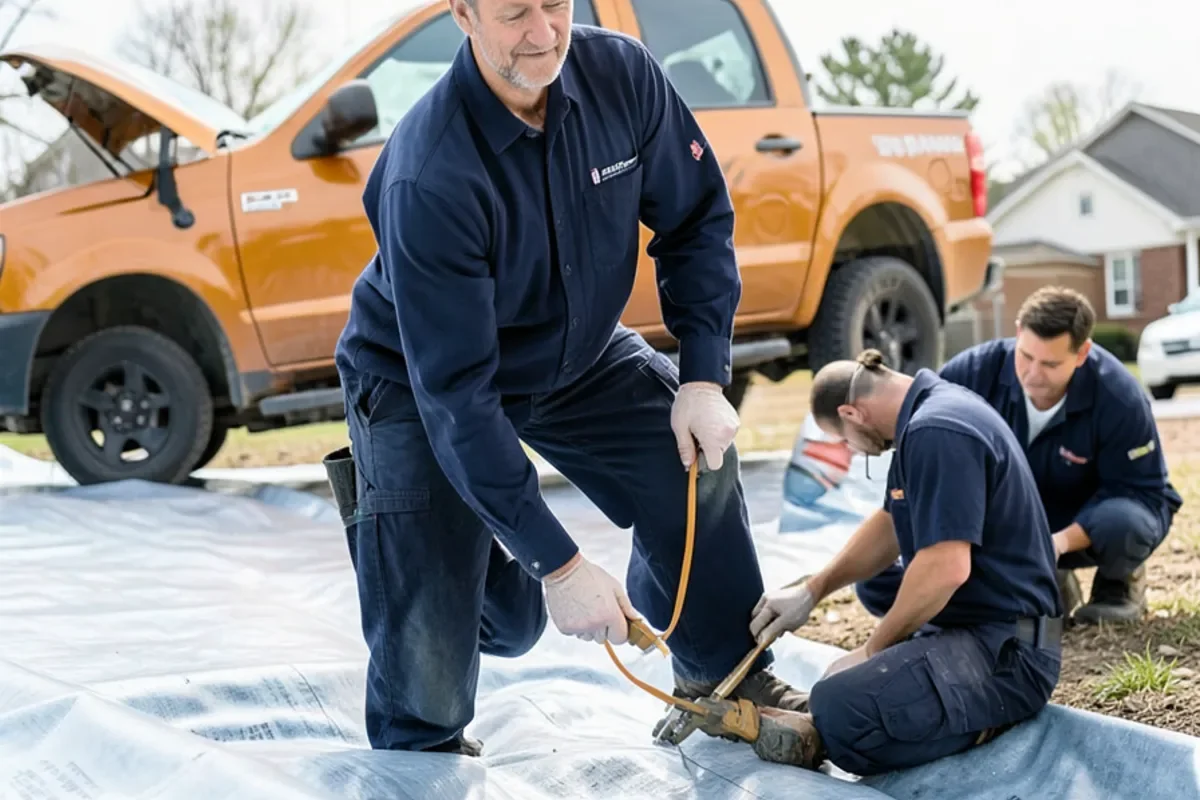
Work areas are sealed behind 6-mil poly plastic sheeting with negative air pressure machines exhausting filtered air outside, preventing spore spread.
HEPA Vacuuming & Controlled Sanding vs. Chemical Encapsulation
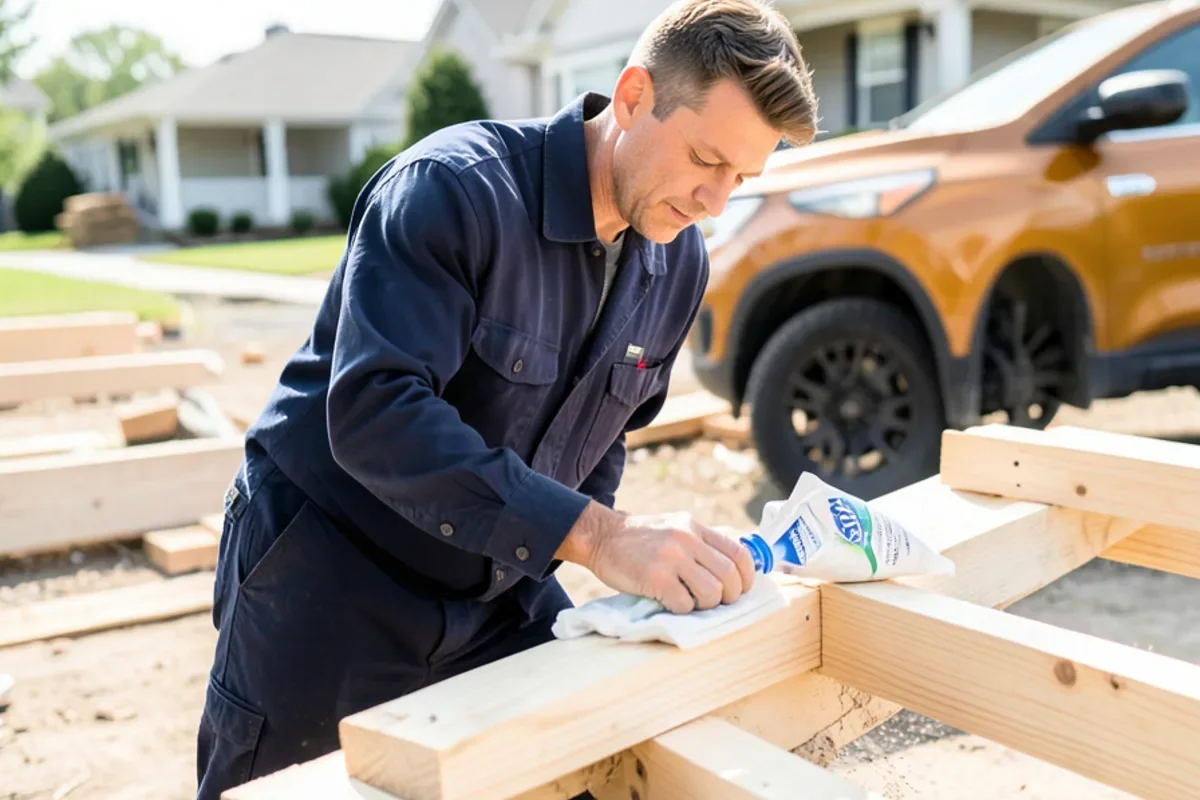
Structural framing is HEPA-vacuumed and micro-abraded to physically remove fungal roots, followed by antimicrobial sealant application.
Dry Ice Blasting vs. Manual Hand Scraping on Joists
High-pressure CO2 dry ice blasting lifts mold spores and staining out of deep wood grain without abrasive residue, while hand scraping targets accessible flat studs.
Step-by-Step Restoration Workflow
Step 1: Consultation & Intake Assessment
Call (702) 478-1007 to discuss your mold concerns. Intake coordinators schedule an on-site evaluation with a local remediation contractor.
Step 2: Containment Chamber Construction
Technicians erect heavy-duty plastic barriers with zippered entrances and install negative air machines equipped with hospital-grade HEPA filters.
Step 3: Controlled Demolition of Non-Salvageable Materials
Severely contaminated porous drywall, insulation, and carpeting are misted to prevent spore dispersal, cut, and sealed in heavy waste bags.
Step 4: Micro-Cleaning & Structural Wood Remediation
Exposed wood framing and subfloors are HEPA-vacuumed, scrubbed with EPA-registered antimicrobials, and sanded to bare healthy wood.
Step 5: Structural Dehumidification & Encapsulation
Industrial LGR dehumidifiers run until structural moisture drops below 15%, followed by an EPA-registered fungicidal encapsulant coating.
Step 6: Post-Remediation Verification & Clearance
A final visual and moisture clearance inspection confirms that all fungal amplification has been eradicated and moisture metrics return to baseline.
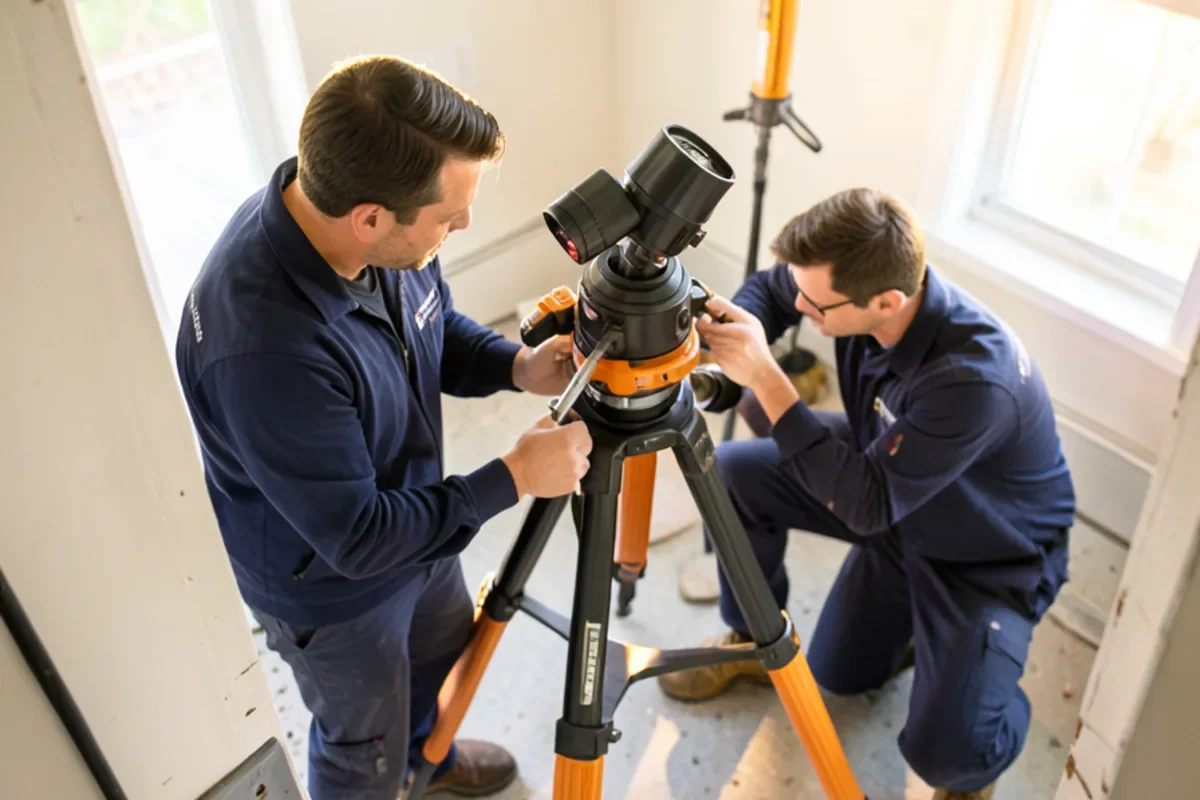
Containment setup and material removal: 1 to 2 days. Complete antimicrobial cleaning, drying, and air scrubbing: 3 to 5 days.
What Drives the Price of Mold Remediation
Every property presents unique architectural and contamination variables. Restoration costs are determined by these primary factors:
Note: An independent contractor will always inspect your property and provide an itemized written estimate before performing non-emergency structural work.
Prevention & Maintenance Recommendations
In Maryland, residential reconstruction, drywall hanging, and structural carpentry following mold remediation require a license from the Maryland Home Improvement Commission (MHIC). When opening walls in pre-1978 homes, contractors must also follow EPA Lead-Safe Certified procedures. Check contractor status at dllr.state.md.us.
Always verify that your responding contractor holds active licensing with the Maryland Home Improvement Commission (MHIC) before signing agreements.
Communities Frequently Dispatched for Mold Remediation
We connect property owners with independent restoration pros across Baltimore City and nearby suburbs: