
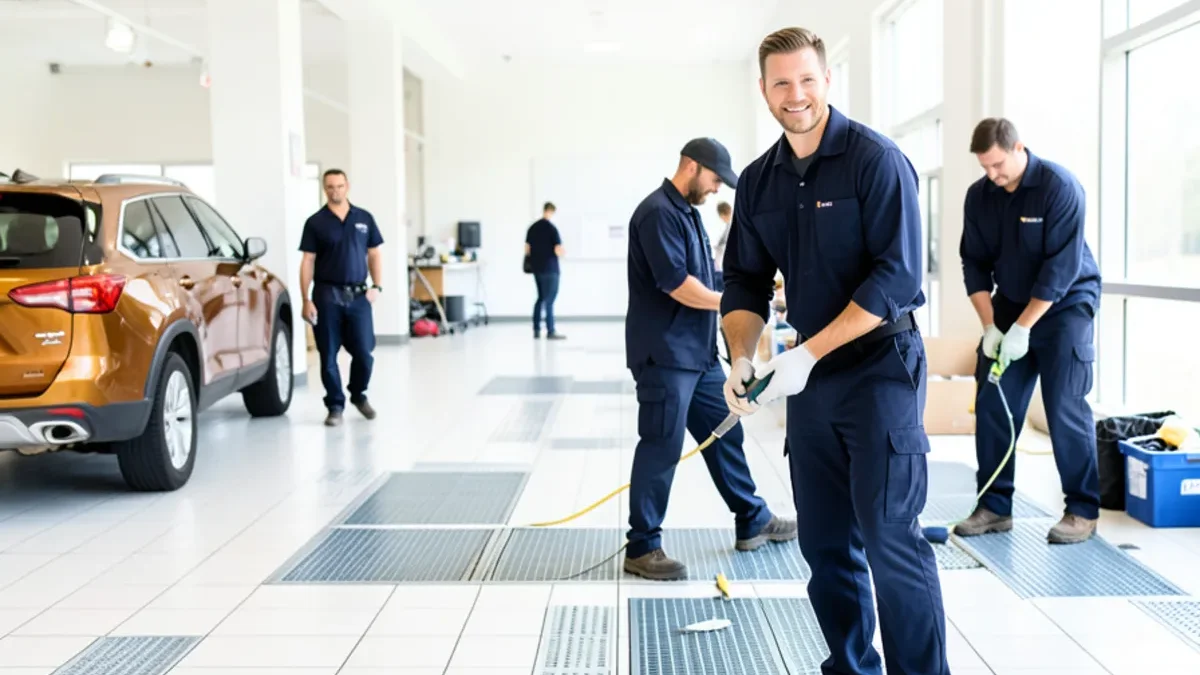
Understanding Commercial Water Damage Restoration in Baltimore Properties
Commercial buildings present structural and operational complexities that residential homes do not. Concrete slab construction, suspended ceiling grid tiles, commercial glued-down loop carpeting, and vertical elevator/utility shafts allow water to migrate rapidly across thousands of square feet and cascade through multiple tenant suites. Every hour of operational downtime represents lost business revenue or displaced tenants. Commercial mitigation requires industrial-scale desiccant dehumidifiers capable of drying dense concrete, negative air containment barriers to isolate active work zones from public corridors, and quiet after-hours equipment deployment.
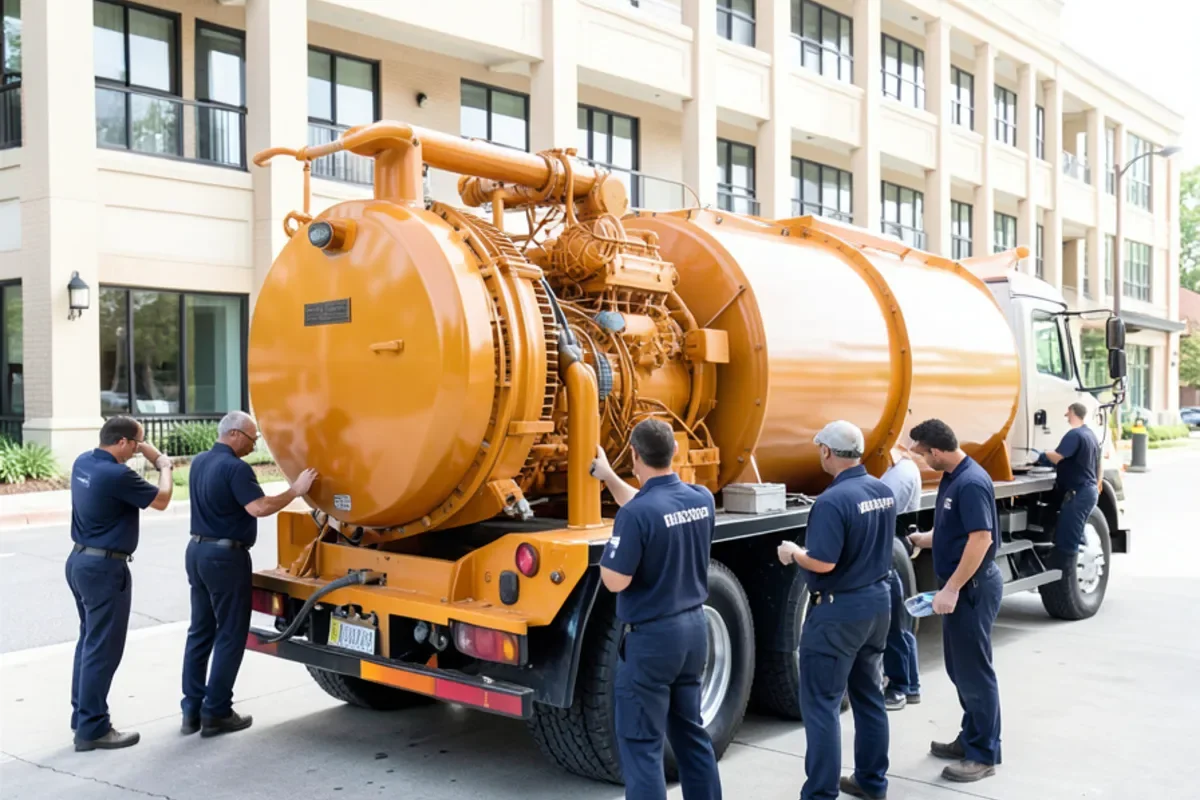
First 30 Minutes: Commercial Facility Water Emergency Protocol
For property managers, facility engineers, and commercial building owners, immediate containment in the first 30 minutes limits tenant interruption, protects data servers, and preserves commercial property coverage:
Immediate Life Safety Steps
- Isolate Electrical Sub-Panels and Server Racks: Immediately de-energize electrical circuits feeding flooded floor boxes, server rooms, and wet tenant spaces to prevent arc-flash and equipment destruction.
- Locate and Secure Main Building Water Shut-Off: Engage commercial riser control valves or main domestic water shutoffs; alert building maintenance and mechanical engineers.
- Protect Critical Commercial Assets and Data Archives: Elevate computer towers, point-of-sale terminals, paper files, and retail merchandise off floor level onto dry tables or pallets.
- Call (702) 478-1007 for Priority Commercial Mobilization: Connect directly with large-loss dispatch coordinators to stage industrial trailer-mounted desiccants, extraction rovers, and temporary containment walls.
Documenting the Loss for Insurance
- Log the Exact Time of Failure and Discovery: Record when building alarms triggered or maintenance detected the breach for commercial business interruption verification.
- Photograph Impacted Tenant Suites and Public Corridors: Take wide-angle photos of flooded hallways, elevator lobbies, collapsed ceiling grids, and retail inventory.
- Notify Affected Commercial Tenants and Corporate Insurers: Issue formal building notices establishing safe access restrictions while notifying your commercial property insurer.
- Collect Equipment Serial Numbers and Vendor Invoices: Itemize damaged commercial equipment, tenant furnishings, and emergency overtime logs for claim presentation.
How to Identify If You Have a Serious Loss
- Water saturating commercial broadloom carpet tiles and pooling in elevator pits
- Suspended acoustic ceiling tiles sagging, staining, or falling onto office desks
- Multi-story water tracking down vertical plumbing shafts and electrical chases
- Commercial HVAC condensate pans overflowing into executive suites or retail floors
Local Factors & Common Causes in Baltimore
Freezing or accidental activation of overhead fire sprinkler heads in commercial buildings
Multi-unit residential stack pipe ruptures in apartment communities across Owings Mills and Columbia
Aging commercial flat roof membrane punctures allowing torrential rainwater into top-floor offices
Backflow from commercial grease interceptors or main municipal sewer connections
Facing Commercial Water Damage Restoration in Baltimore?
Do not wait for structural materials to deteriorate. Call our 24/7 emergency dispatch line to speak with an operator and connect with a local restoration contractor.
What a Restoration Contractor Inspects on Site
Mitigation begins with diagnostic evaluation. The contractor dispatched to your property conducts a thorough forensic moisture assessment:
Tenant safety triage and electrical isolation of wet sub-panels and server racks
Multi-floor moisture mapping identifying every tenant suite impacted along vertical plumbing and HVAC shafts
Thermal infrared scanning of elevator shafts, firewalls, and commercial concrete floor slabs
Ceiling plenum and interstitial space moisture evaluation above suspended grid systems
Commercial HVAC ductwork and air handling unit (AHU) moisture assessment
Documentation of commercial equipment, documents, inventory, and fixtures for adjusters
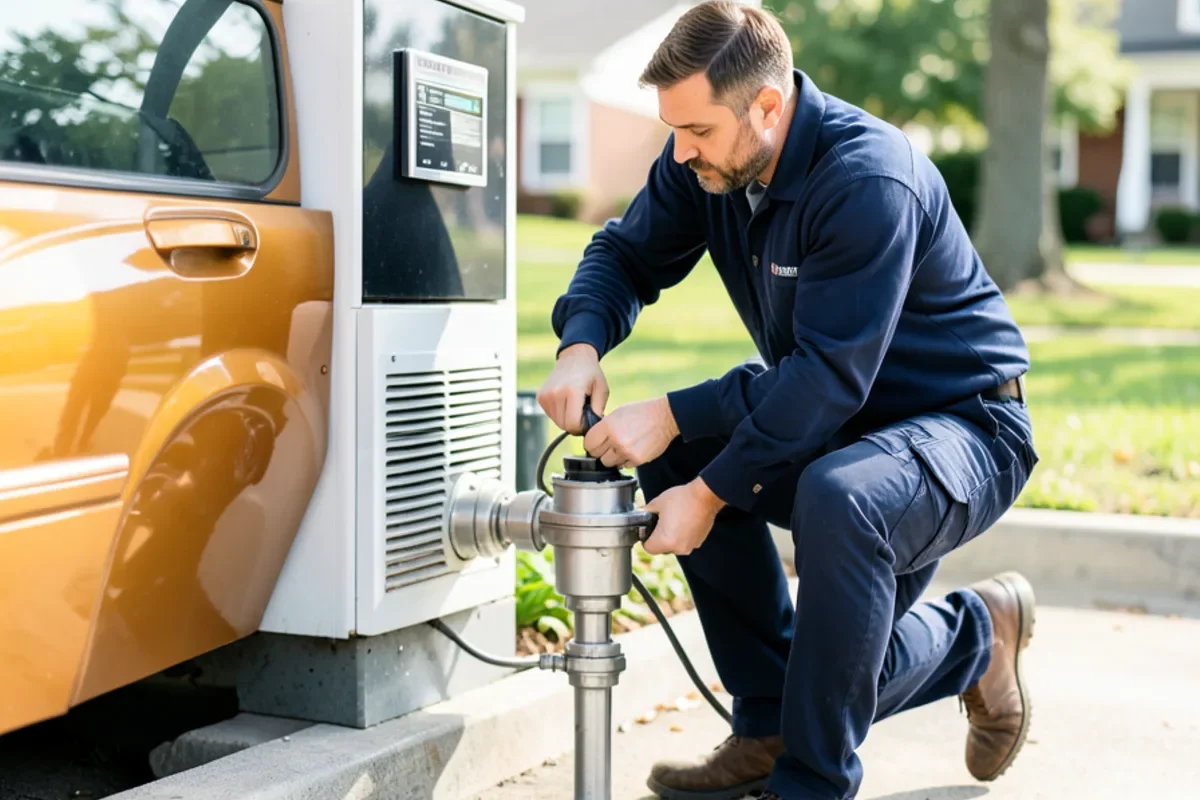
Mitigation Methodologies & Trade-Offs
Large-Capacity Desiccant Dehumidifiers vs. LGR Units
Trailer-mounted industrial desiccant dehumidifiers deliver thousands of CFM of super-dry air into multi-story buildings, while portable LGR units treat individual suites.
Airtight Poly Containment Walls vs. Full Building Closure
Clean poly containment walls with zip doors isolate damaged suites, routing lay-flat drying ducting out of sight through service stairwells.
Weighted Ride-On Rover Extraction vs. Stationary Suction Wands
Industrial self-propelled extraction rovers apply continuous mechanical weight to compress water out of commercial glue-down carpets and underlayment.
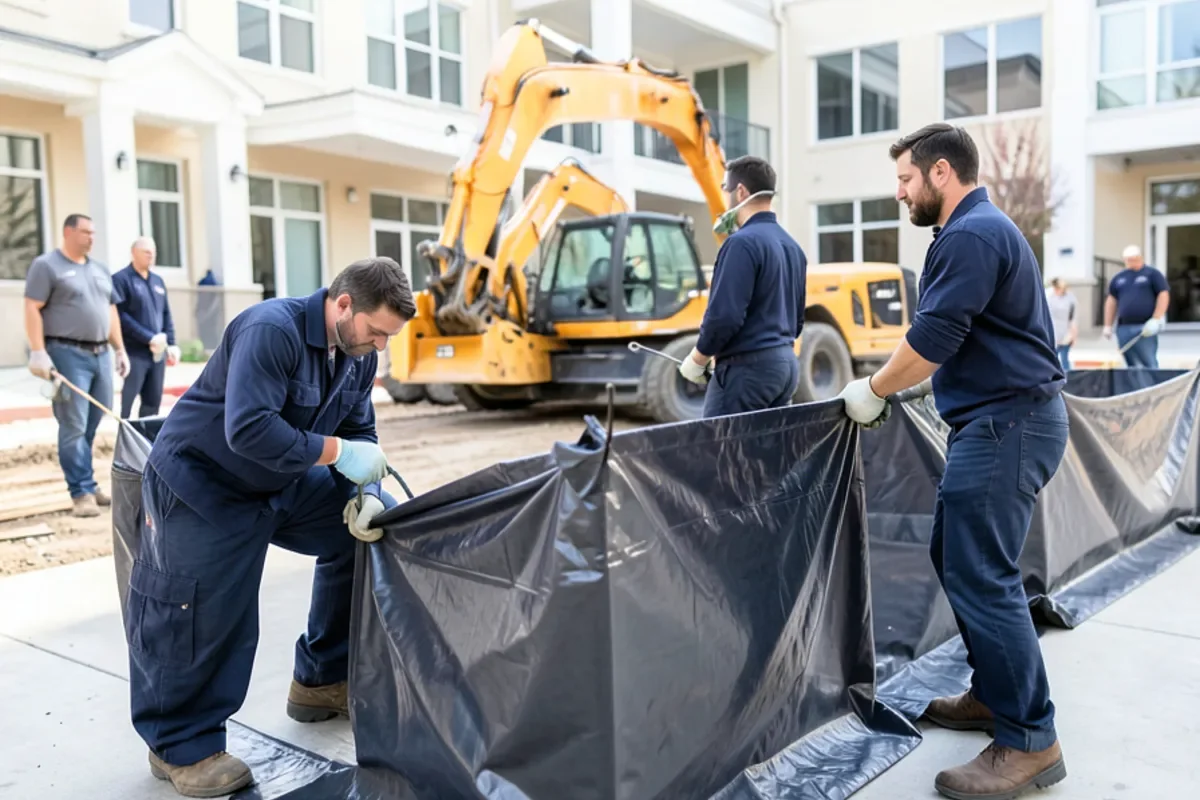
Step-by-Step Restoration Workflow
Step 1: Priority Commercial Dispatch
Call (702) 478-1007. Commercial triage coordinators gather building specs and dispatch large-loss extraction rigs immediately.
Step 2: Source Containment & Multi-Suite Mapping
Technicians coordinate with facility managers to confirm water shutoff and map moisture travel across all tenant units.
Step 3: High-Volume Commercial Extraction
Weighted extraction rovers and high-lift vacuums remove standing water from commercial carpets, elevator pits, and subfloors.
Step 4: Industrial Dehumidification & Air Scrubbing
Desiccant or LGR dehumidifiers and low-decibel air movers are deployed to dry concrete and framing with minimal tenant disruption.
Step 5: Daily Psychrometric Reporting for Commercial Adjusters
The contractor maintains daily psychrometric logs, floor plan moisture maps, and equipment runtime data compliant with commercial insurance requirements.
Step 6: Antimicrobial Clearance & Commercial Reopening
Technicians apply EPA-registered antimicrobials, complete ATP surface cleanliness testing, and verify dry standards to issue clear certificates of completion for tenants and health inspectors.
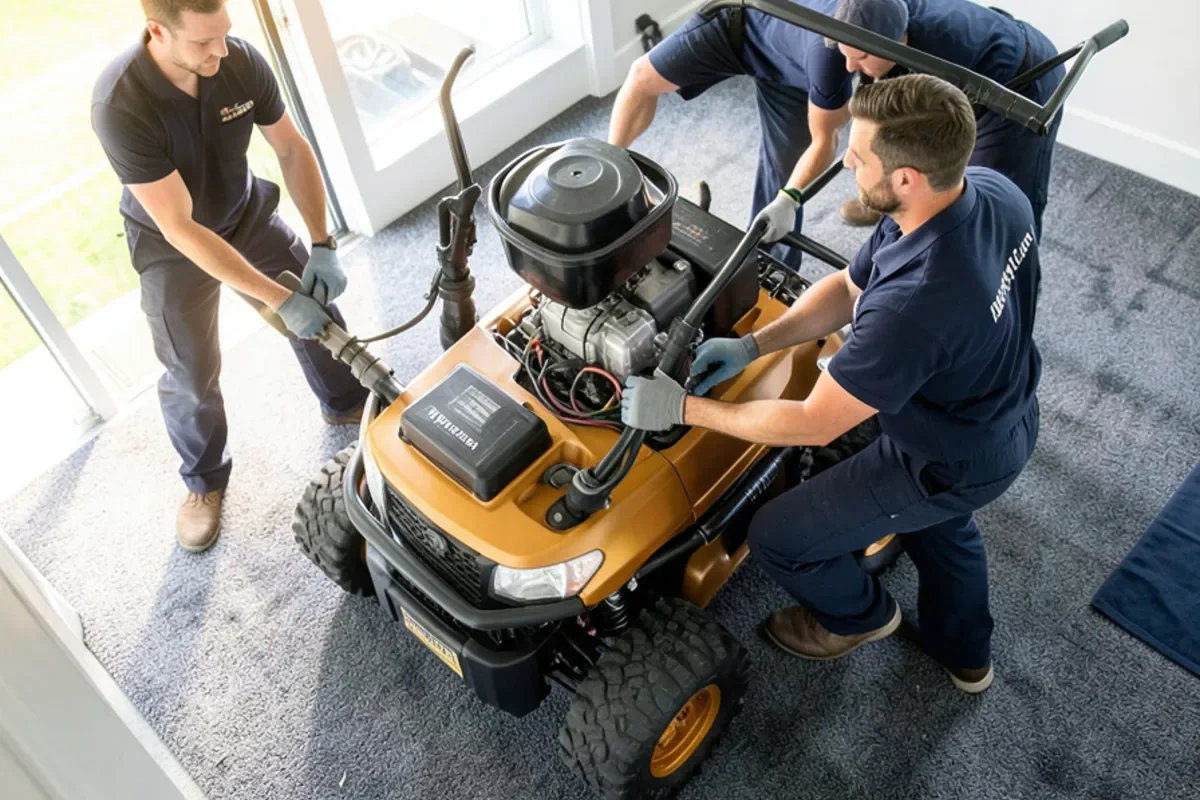
Water extraction and containment setup: 3 to 6 hours. Complete structural drying of commercial facilities: 3 to 5 days under continuous monitoring.
What Drives the Price of Commercial Water Damage Restoration
Every property presents unique architectural and contamination variables. Restoration costs are determined by these primary factors:
Note: An independent contractor will always inspect your property and provide an itemized written estimate before performing non-emergency structural work.
Prevention & Maintenance Recommendations
Commercial construction, structural repairs, and multi-family property remodeling in Maryland require commercial general contractor registration and compliance with local municipal building codes. Residential condominium rebuilds fall under MHIC oversight. Verify contractor licensing at dllr.state.md.us.
Always verify that your responding contractor holds active licensing with the Maryland Home Improvement Commission (MHIC) before signing agreements.
Communities Frequently Dispatched for Commercial Water Damage Restoration
We connect property owners with independent restoration pros across Baltimore City and nearby suburbs: