
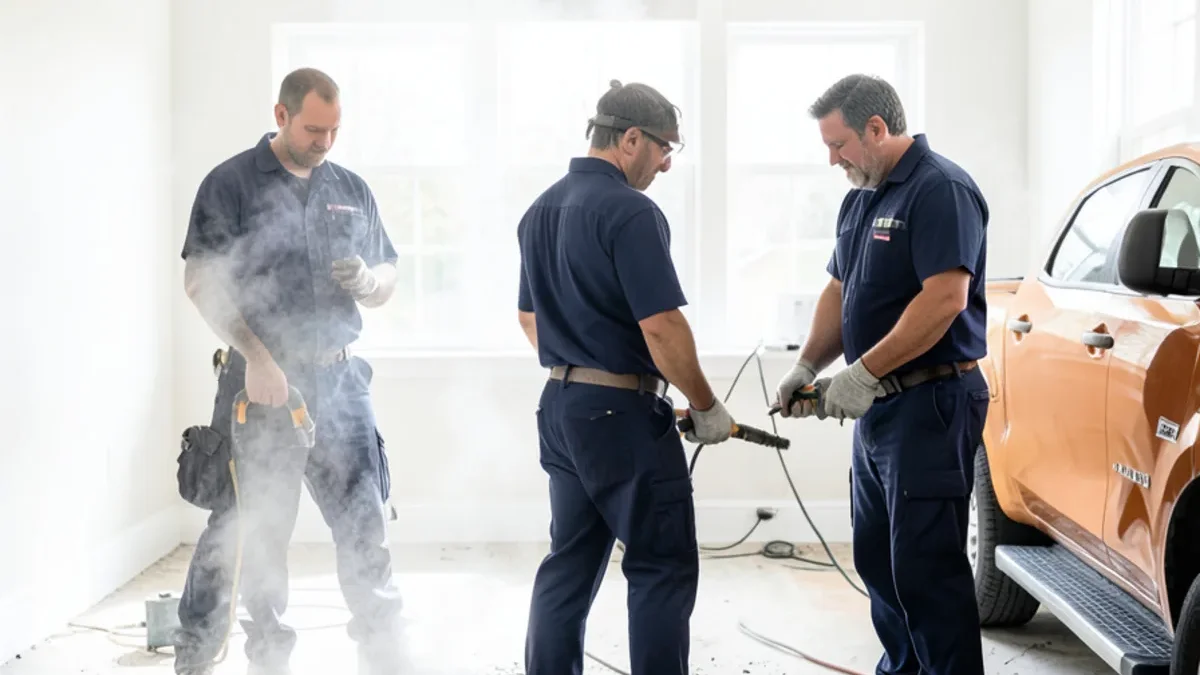
Understanding Fire & Smoke Damage Restoration in Baltimore Properties
Fire losses involve three distinct damage types occurring simultaneously. First, direct heat consumption destroys structural timber and finishes. Second, smoke and soot particles disperse through air currents, depositing corrosive acidic residues on metal fixtures, glass, and walls that cause permanent pitting within 72 hours. Third, municipal fire hoses discharge thousands of gallons of water, pooling in lower levels and saturating plaster lathe. If water extraction is delayed, a fire loss rapidly converts into a severe mold emergency.
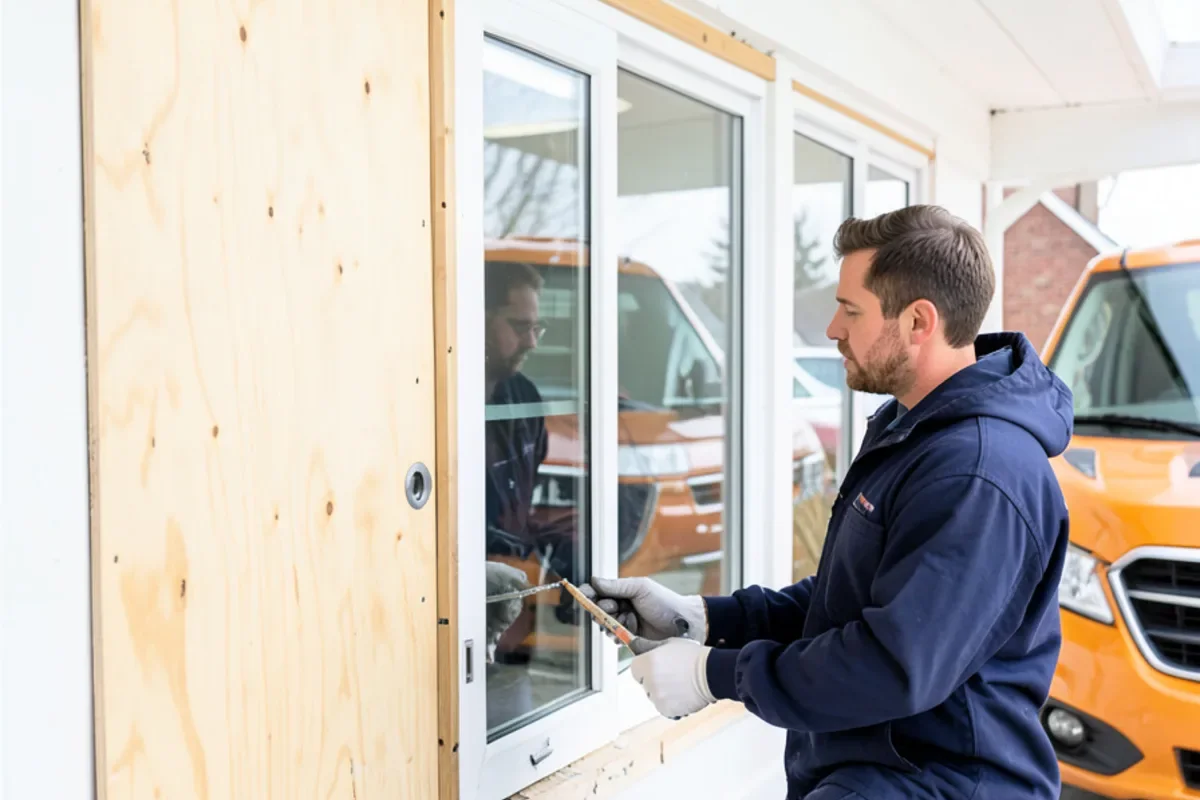
First 30 Minutes: Post-Fire Safety & Property Stabilization Protocol
The moments immediately following the departure of the fire department are critical for personal safety and stopping secondary smoke and water damage. Follow these immediate stabilization steps:
Immediate Life Safety Steps
- Do not re-enter the property until the Baltimore City Fire Department or Baltimore County Fire Marshal officially issues an all-clear on structural stability.
- Keep electrical main disconnects and gas valves in the off position until inspected by licensed utility technicians or master tradespeople.
- Avoid touching soot-covered walls, ceilings, or upholstery with bare hands; body oils react with acidic soot to permanently set stains into porous plaster and fabrics.
- Do not run central HVAC or furnace systems, as circulating air spreads toxic soot particles and heavy carbon smoke throughout undamaged rooms.
- Call (702) 478-1007 immediately to dispatch emergency board-up crews to secure broken window openings and extract thousands of gallons of municipal firefighting water.
Documenting the Loss for Insurance
- Photograph Exterior Compromises: Document broken windows, roof holes, and charred framing from a safe distance outside the fire line.
- Request Fire Incident Report Number: Secure the incident report number from the responding Baltimore fire battalion chief for your insurance adjuster.
- Contact Your Homeowners Insurance Carrier: File an initial claim notice to initiate emergency temporary housing assistance (Loss of Use) and ALE benefits.
- Keep Emergency Receipts: Save all receipts for emergency lodging, clothing purchases, and meals incurred while displaced from the home.
How to Identify If You Have a Serious Loss
- Heavy black, greasy, or powdery soot coating walls, ceilings, and countertops
- Pervasive, pungent burnt chemical or wood smoke odor throughout living spaces
- Thousands of gallons of standing firefighting water pooled in basements
- Broken windows, compromised roof penetrations, or scorched structural framing
Local Factors & Common Causes in Baltimore
Electrical wiring failures in older ungrounded knob-and-tube or cloth-insulated rowhome systems
Kitchen grease fires escaping stovetops into overhead cabinetry and ventilation hoods
Heating appliance failures, space heater tip-overs, and neglected chimney flue creosote
Rowhouse party-wall fire spread originating from adjacent connected properties
Facing Fire & Smoke Damage Restoration in Baltimore?
Do not wait for structural materials to deteriorate. Call our 24/7 emergency dispatch line to speak with an operator and connect with a local restoration contractor.
What a Restoration Contractor Inspects on Site
Mitigation begins with diagnostic evaluation. The contractor dispatched to your property conducts a thorough forensic moisture assessment:
Structural stability inspection assessing load-bearing brick party walls, floor joists, and roof trusses
Soot residue classification (wet smoke vs dry smoke vs protein residue from kitchen fires)
Moisture evaluation of water-soaked framing, subfloors, and basement concrete using penetrating moisture meters
HVAC ductwork and insulation contamination testing to determine soot penetration through airflow pathways
Contents salvage assessment cataloging personal property that can be ultrasonically cleaned vs itemized as total loss
Plaster, lathe, and historical trim evaluation to identify architectural elements capable of non-destructive conservation
Mitigation Methodologies & Trade-Offs
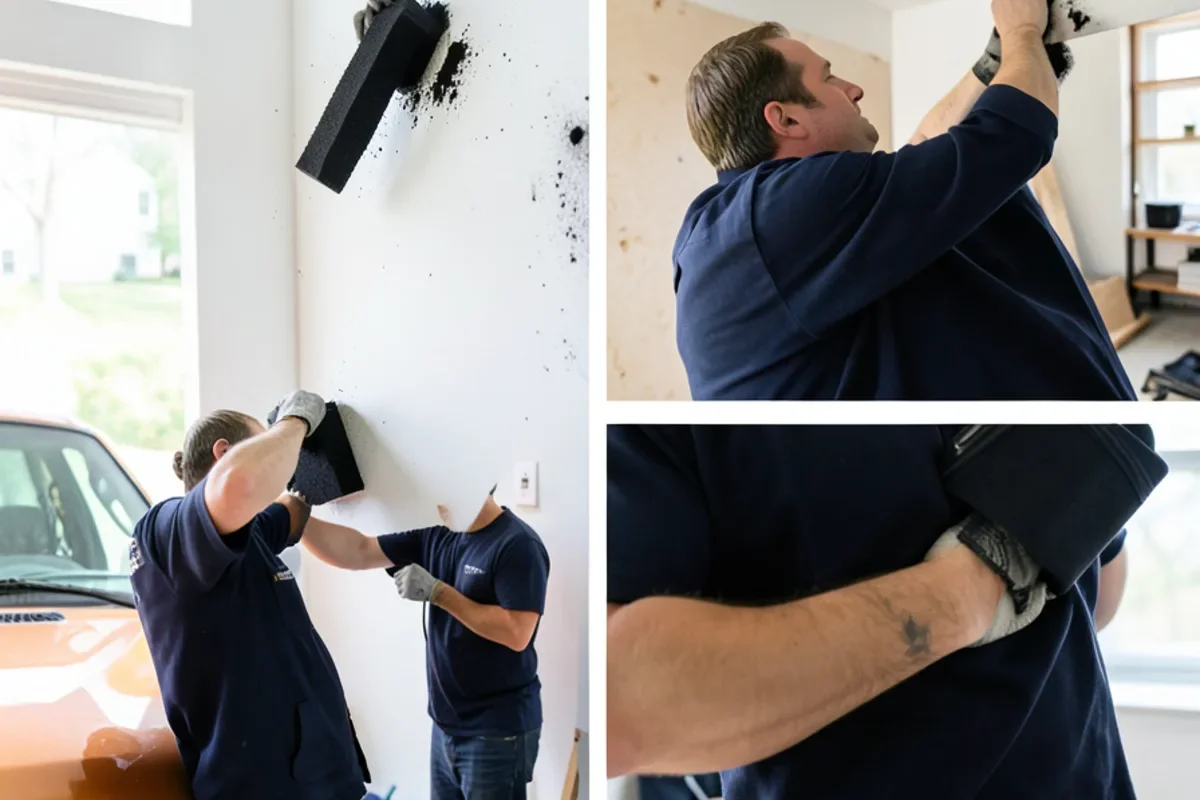
Chemical Sponge Wipe-Down vs. Media Abrasive Blasting
Dry chemical vulcanized rubber sponges lift surface soot without smearing, while dry ice or soda blasting removes deep char from structural framing timber.
Thermal Fogging vs. Hydroxyl Generator Deodorization
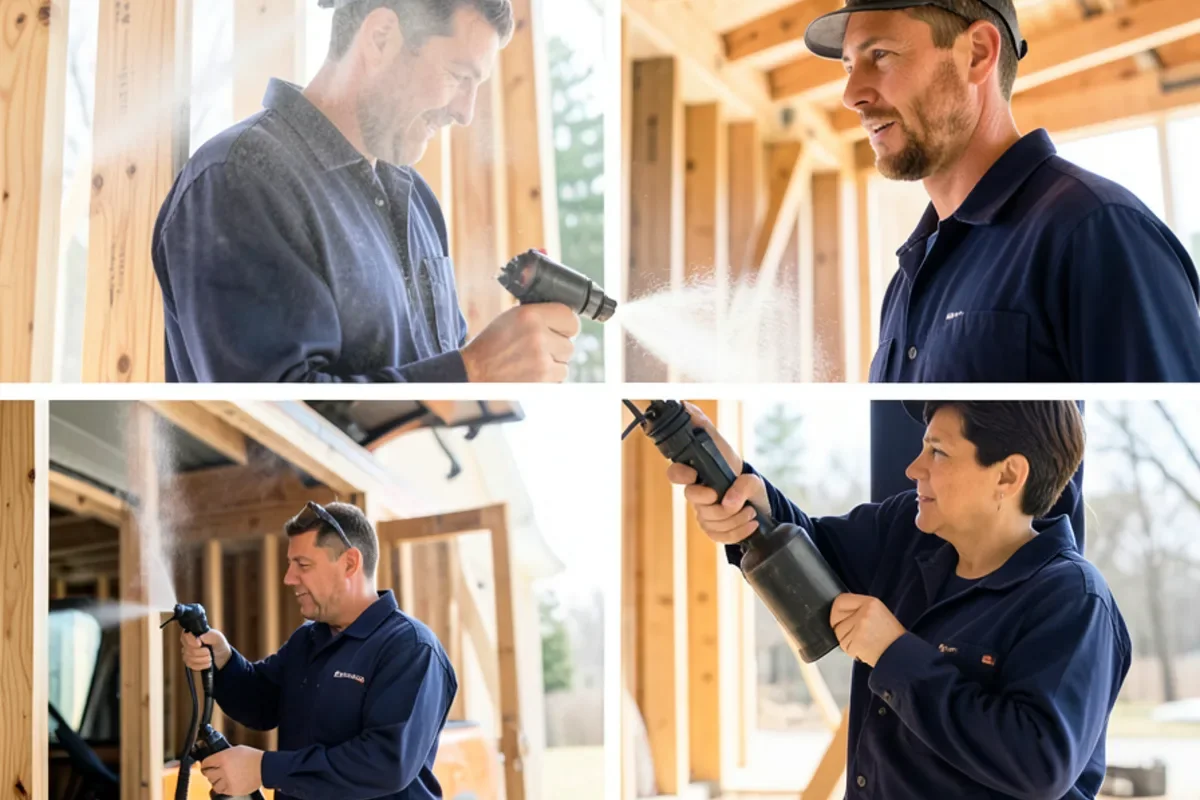
Thermal foggers vaporize solvent-based neutralizing agents that penetrate porous building materials identically to smoke, while hydroxyl generators operate safely in occupied spaces.
Encapsulation Sealant Priming vs. Complete Framing Replacement
Shellac-based or pigmented alcohol sealants lock remaining microscopic carbon odor molecules into structural wood studs, while framing replacement physically swaps out damaged joists.
Step-by-Step Restoration Workflow
Step 1: 24/7 Emergency Dispatch & Board-Up
Call (702) 478-1007. Crews secure the property within hours by boarding broken windows, covering roof breaches with reinforced tarps, and installing temporary weather barriers.
Step 2: Firefighting Water Extraction & Stabilization
Submersible pumps and high-lift truck-mounted extractors pull water out of basements and lower floors to halt secondary mold development and prevent joist deflection.
Step 3: Soot & Residue Decontamination
Specialized soot-lifting sponges, HEPA-filtered vacuums, and chemical degreasers remove corrosive residues from walls, trim, cabinets, and metal fixtures.
Step 4: Molecular Smoke Deodorization
Thermal fogging, ozone oxidation, and hydroxyl treatments neutralize microscopic smoke odor molecules embedded deep within framing, plaster, and subfloors.
Step 5: Pack-Out & Insurance Loss Documentation
Contractors compile photographic inventories of destroyed materials, generate Barcoded Contents inventories, and prepare comprehensive Xactimate estimates for your adjuster.
Step 6: Odor Encapsulation & Rebuild Preparation
Treated framing is sealed with specialized odor-barrier coatings, verified dry below 12% moisture content, and prepped for MHIC-licensed structural reconstruction.
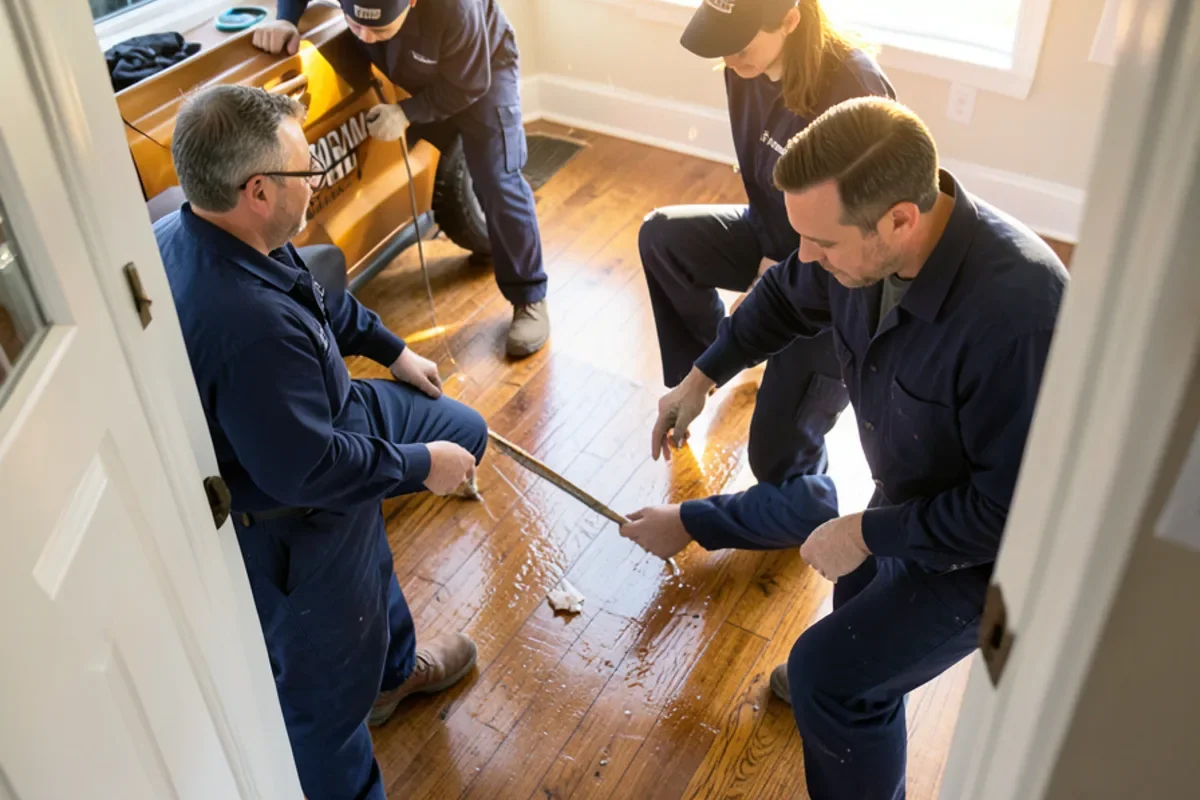
Emergency board-up and water extraction: 4 to 8 hours. Soot cleanup, structural drying, and deodorization: 1 to 2 weeks.
What Drives the Price of Fire & Smoke Damage Restoration
Every property presents unique architectural and contamination variables. Restoration costs are determined by these primary factors:
Note: An independent contractor will always inspect your property and provide an itemized written estimate before performing non-emergency structural work.
Prevention & Maintenance Recommendations
Structural rebuilding, roof framing, and electrical repairs following a fire in Maryland must be performed by MHIC-licensed general contractors and licensed Master Electricians. Verify contractor credentials at dllr.state.md.us.
Always verify that your responding contractor holds active licensing with the Maryland Home Improvement Commission (MHIC) before signing agreements.
Communities Frequently Dispatched for Fire & Smoke Damage Restoration
We connect property owners with independent restoration pros across Baltimore City and nearby suburbs: