
Basement Flooded in Baltimore? What to Do in the First Hour
In the first hour of a basement flood in Baltimore, avoid stepping into standing water if electrical appliances, panels, or outlets are wet. Shut off your main water valve if the source is internal plumbing and you can reach it safely. Move family and pets to dry ground, avoid touching contaminated water or running HVAC fans, take time-stamped photos of the waterline and source, and call an emergency extraction line at (702) 478-1007.
Hour One Safety: Electrical, Gas, and Biological Hazards
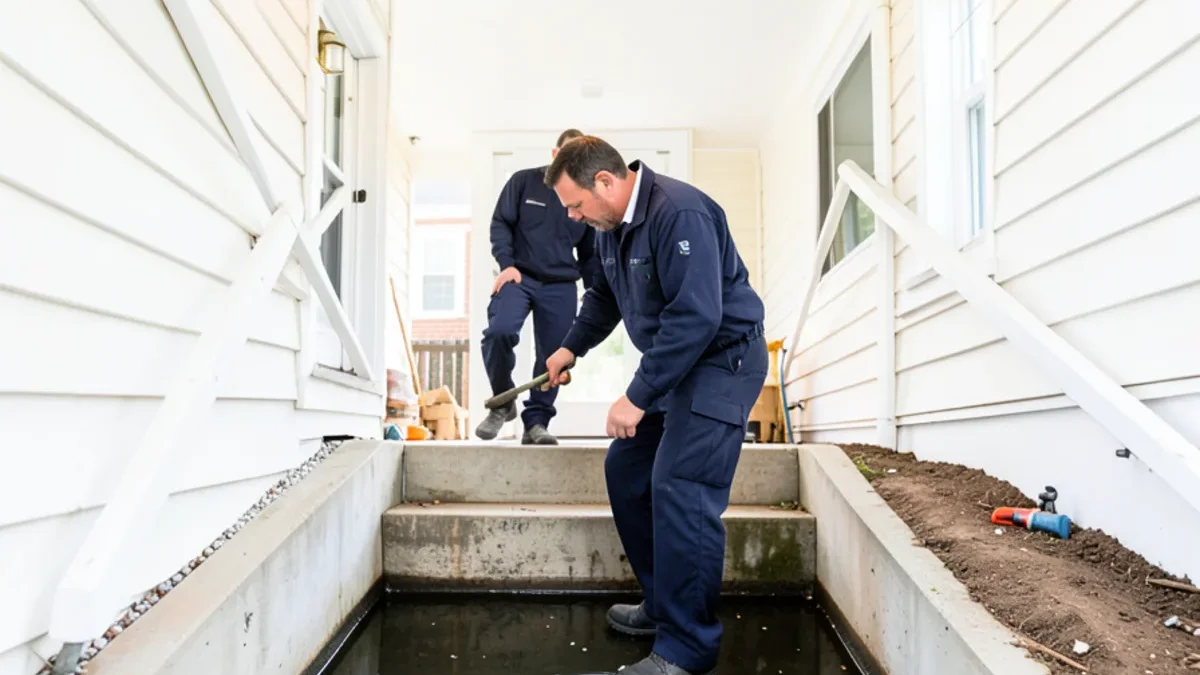
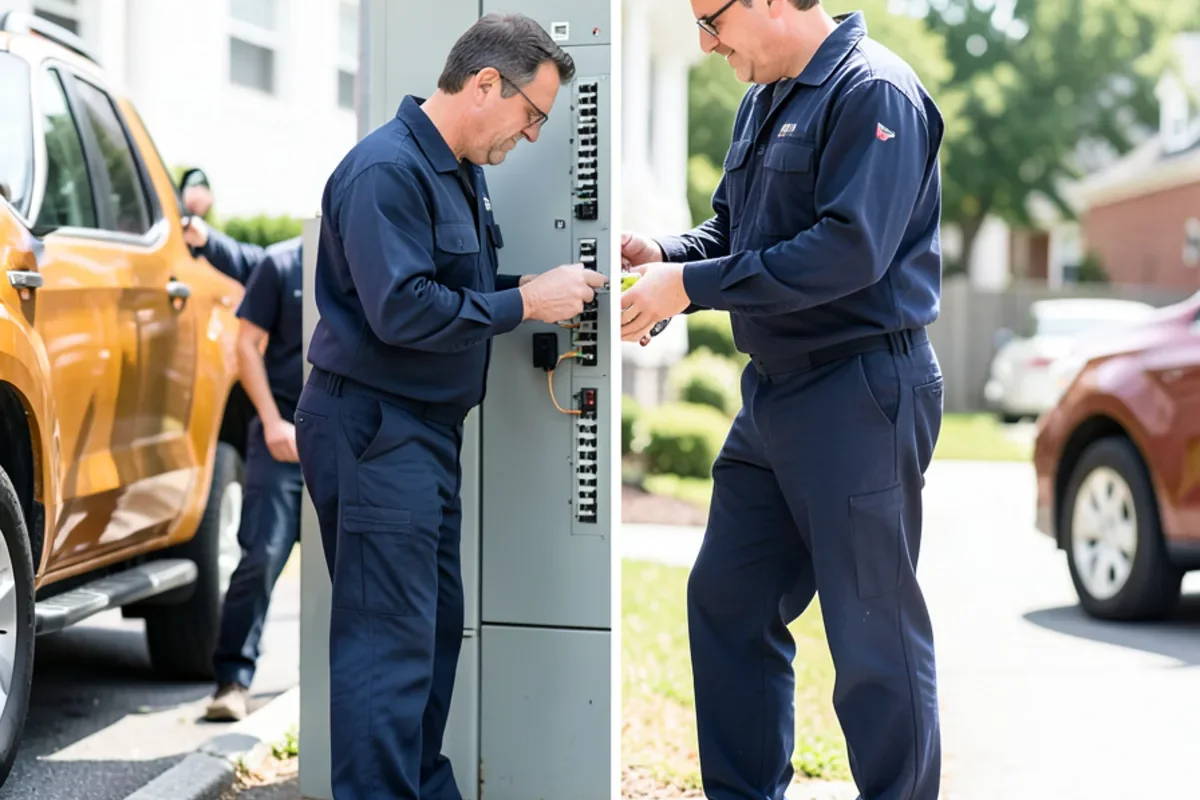
The first priority during any basement flooding event is human and pet safety. Standing water in a basement can conceal energized electrical currents from submerged floor outlets, extension cords, water heater elements, or washing machine plugs. Never enter standing water if you hear electrical buzzing, see submerged power cords, or suspect water has reached electrical baseboards. If your electrical service panel is safely accessible on a dry upper floor, switch off the main circuit breakers powering basement circuits. If the breaker box is in the basement itself and surrounded by water, do not attempt to reach it; contact your electric utility or emergency dispatch immediately. Additionally, if you smell sulfur or natural gas from an extinguished water heater pilot light, evacuate the home immediately and call your gas utility.
Locating and Shutting Down Your Main Water Supply in Baltimore
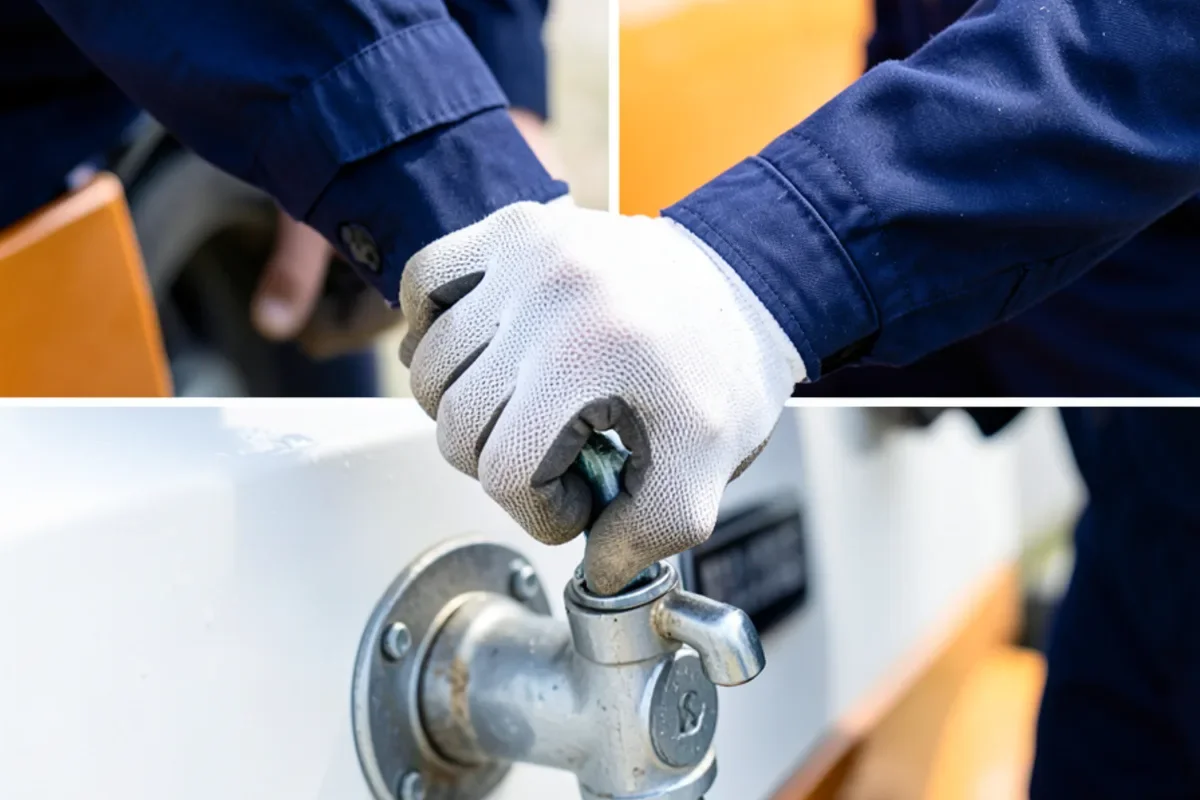
If the flooding originates from an internal plumbing failure—such as a ruptured copper pipe, failed washing machine hose, or burst water heater tank—cutting off the water source halts further damage. In typical Baltimore brick rowhouses, the main water shutoff valve is located in the front of the basement near where the municipal service line pierces the foundation wall, frequently right next to the water meter. In suburban homes (Catonsville, Towson, Perry Hall), it is often located in a mechanical utility closet or garage. Turn the gate valve wheel clockwise until firmly seated, or rotate a quarter-turn ball valve lever perpendicular to the pipe. If the valve is inaccessible or completely underwater, call your local water utility or an emergency restoration provider at (702) 478-1007 for assistance.
Documenting the Loss for Insurance Before Demolition Begins
Before any items are discarded or water is extracted, thorough photographic documentation is essential to protect your insurance claim. From a safe location on the basement stairs or entryway, take wide-angle photographs showing the full extent of standing water. Capture close-up images of the waterline marked against drywall, furniture legs, baseboards, and heating equipment. Record a video narrating the event, noting the time and any audible water flow. Document high-value damaged personal property, electronics, and mechanical systems before they are touched. Never begin discarding wet carpeting or damaged personal belongings until your insurance adjuster gives authorization, unless an immediate health or safety hazard necessitates removal.
Understanding Clean, Gray, and Black Water Categories
Under ANSI/IICRC S500 standards, water losses are classified into three categories of contamination. Category 1 is clean water from broken supply pipes or overflowing sinks. Category 2 is gray water containing chemical or biological contaminants from washing machines, dishwashers, or sump pump seepage. Category 3 is black water—highly unsanitary water containing raw sewage, bacterial pathogens, or outdoor surface floodwaters. Sump pump overflows that carry lawn fertilizer, street runoff, or soil bacteria are treated as Category 2 or 3. If water appears discolored, cloudy, or foul-smelling, treat it as black water and do not enter without full personal protective equipment.
Why Immediate Mechanical Extraction Beats DIY Shop Vacs
Homeowners frequently attempt to manage basement flooding using household wet/dry shop vacuums. While a 5-gallon vacuum can remove small puddles, it is inadequate for major floods. Saturated concrete slabs, carpet padding, and porous framing hold thousands of gallons of bound water. Commercial truck-mounted extractors pull high-volume water under deep vacuum pressure, removing water from deep inside carpet backing and concrete pores. Once standing liquid is extracted, commercial LGR dehumidifiers and high-velocity axial air movers create low vapor pressure chambers that evaporate moisture from wooden framing before mold spores colonize within 24 to 48 hours.
First-Hour Emergency Triage Action Matrix
| Loss Scenario | Immediate Safety Action | Shutoff Protocol | Professional Next Step |
|---|---|---|---|
| Burst Supply Line / Pipe | Avoid wet electrical outlets; cut breaker if panel is dry | Turn main water shutoff valve clockwise | Call (702) 478-1007 for truck-mount water extraction |
| Sump Pump Overflow | Do not stand in water near sump motor or extension cords | Check breaker switch; do not touch submerged cords | Call for submersible pump-out and antimicrobial wash |
| Sanitary Sewer Surcharge | Evacuate basement immediately; turn off central HVAC | Do not flush toilets or run faucets upstairs | Call for Category 3 biohazard containment and disinfection |
| Storm Surface Runoff | Check foundation stability; do not enter if water is deep | Sandbag walkout stairwell doors if safe | Deploy high-volume trash pumps and structural drying |
In historic Baltimore rowhouses (such as in Hampden, Pigtown, or Canton), rear walkout basement stairwells feature small drain basins that frequently clog with leaves during severe storms. Water pools in the exterior stairwell until it breaches the door threshold, flooding finished basements with muddy Category 2 runoff. Clearing the exterior drain grate safely from above can immediately halt rising water before extraction begins.
Our guides and technical overviews cite official state licensing boards, regional public works departments, environmental agencies, and industry standards:
Frequently Asked Questions: Basement Flooded in Baltimore? What to Do in the First Hour
Specific answers and technical considerations drawn from this guide.
Only use an electric vacuum if the electrical outlet is completely dry and safe, and only for very minor puddles under one inch. Never stand in water while operating corded electrical appliances, and never use shop vacs for sewage-contaminated water.
Questions About an Active Leak or Basement Flood?
Speak with our Baltimore emergency dispatch team. Call (702) 478-1007 to connect with an independent local pro.