
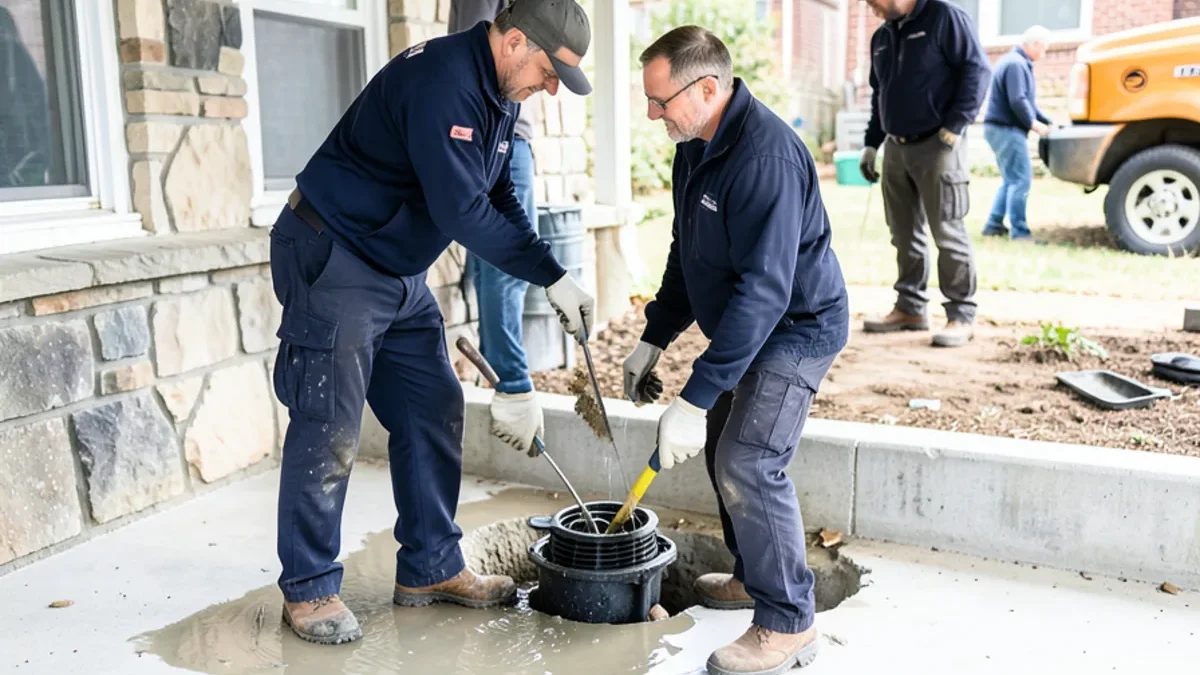
Understanding Flooded Basement Cleanup in Baltimore Properties
Baltimore’s geological setting on the fall line between the Piedmont plateau and the Atlantic coastal plain creates dense clay subsoils that swell and hold groundwater during heavy rain. In historic rowhouses and older suburban homes (Towson, Catonsville, Parkville, Perry Hall), basements sit below the surrounding water table. When storms saturate the ground, hydrostatic head pressure forces water through cold joints, floor cracks, and stone mortar. In finished basements, water wicks into baseboards, framing studs, and carpet pads, creating hidden mold breeding grounds behind finished walls if not promptly opened and dried.
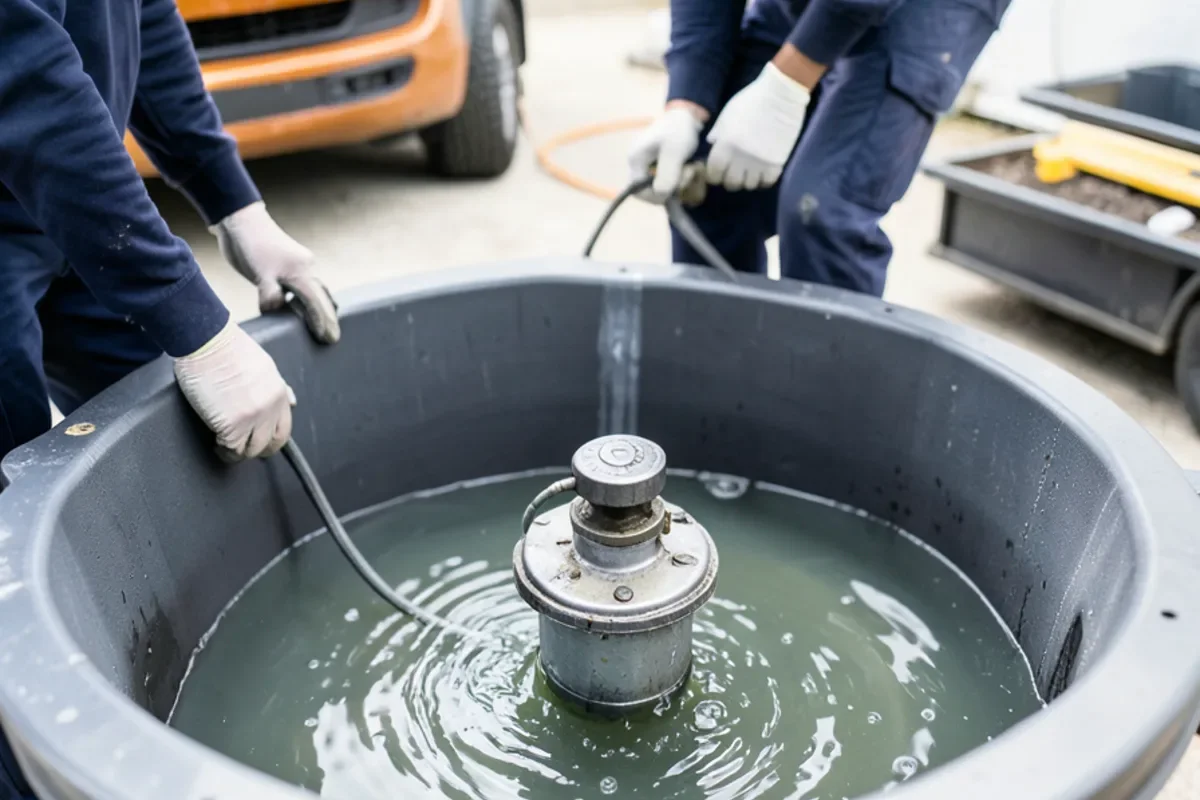
First 30 Minutes Emergency Protocol for a Flooded Basement
A flooded basement presents immediate electrical, mechanical, and biological dangers. Follow these critical life safety steps before restoration technicians arrive:
Immediate Life Safety Steps
- Avoid Electrical Electrocution: Never step into a flooded basement if water touches electrical baseboard heaters, low wall outlets, washing machines, or the main breaker panel. If your main electrical panel is located in the basement and submerged, contact Baltimore Gas & Electric (BGE) or an emergency electrician immediately.
- Isolate Fuel & Gas Controls: If water reaches furnace burners or water heater gas control valves, do not attempt to operate them. Shut off the gas isolation valve upstream if safely accessible from stairs.
- Check Water Source & Sump Power: If the flood is caused by a burst plumbing line, shut off the main water valve immediately. If caused by an overwhelmed sump pump, confirm the dedicated breaker hasn't tripped.
- Call Emergency Dispatch: Call (702) 478-1007 to mobilize high-capacity submersible extraction pumps and commercial dehumidifiers to your Baltimore property.
Documenting the Loss for Insurance
- Photograph Waterline Against Foundation Walls: Take wide shots showing the depth of standing water against stairs, masonry, and mechanical bases before pumping starts.
- Inventory Submerged Utilities: Document model and serial numbers on your furnace, boiler, water heater, and water softener for your Maryland insurance claim.
- Record Damaged Personal Items: Photograph storage boxes, finished basement furniture, rugs, and exercise equipment before moving them.
- Retain Failed Mechanical Components: Keep failed sump pump motors, float switches, or ruptured check valves in a bucket for insurance adjuster review.
How to Identify If You Have a Serious Loss
- Standing water across concrete basement floors or saturated carpeting
- Water weeping through masonry foundation walls, mortar lines, or floor cracks
- Sump pump basin overflowing while motor hums or fails completely
- Dampness, white efflorescence mineral powder on brick or block walls, and mildew odors
- Water staining or mold spotting along lower drywall edges in finished basements
Local Factors & Common Causes in Baltimore
Primary sump pump mechanical breakdown, jammed float switches, or storm power failures during heavy summer storms
Intense convective cloudbursts dumping several inches of rain across the Patapsco Valley in under an hour
Rear rowhouse basement walkout drains clogged with street leaves, sediment, and silt debris
Severe hydrostatic head pressure driving groundwater through historic stone rubble, brick, or block foundation walls
Municipal storm sewer surcharges pushing street runoff backward through basement floor drain assemblies
Facing Flooded Basement Cleanup in Baltimore?
Do not wait for structural materials to deteriorate. Call our 24/7 emergency dispatch line to speak with an operator and connect with a local restoration contractor.
What a Restoration Contractor Inspects on Site
Mitigation begins with diagnostic evaluation. The contractor dispatched to your property conducts a thorough forensic moisture assessment:
Safety inspection of mechanical systems (water heater burner, gas furnace, electrical box submersion)
Sump pit, float switch, and backflow check valve operational testing
Perimeter foundation wall inspection for structural shifting, mortar degradation, or hydrostatic cracking
Thermal infrared mapping of finished basement partition walls to determine capillary water wicking height
Moisture meter probing of concrete slabs, rim joists, and subfloor assemblies
Category classification of incoming water under ANSI/IICRC S500 standards
Mitigation Methodologies & Trade-Offs
Controlled Flood Cuts vs. Wall Cavity Dehumidification
Opening lower drywall 12 to 24 inches from the floor removes wet insulation and allows high-velocity airflow into stud bays, whereas cavity drying attempts in-place drying without wallboard removal.
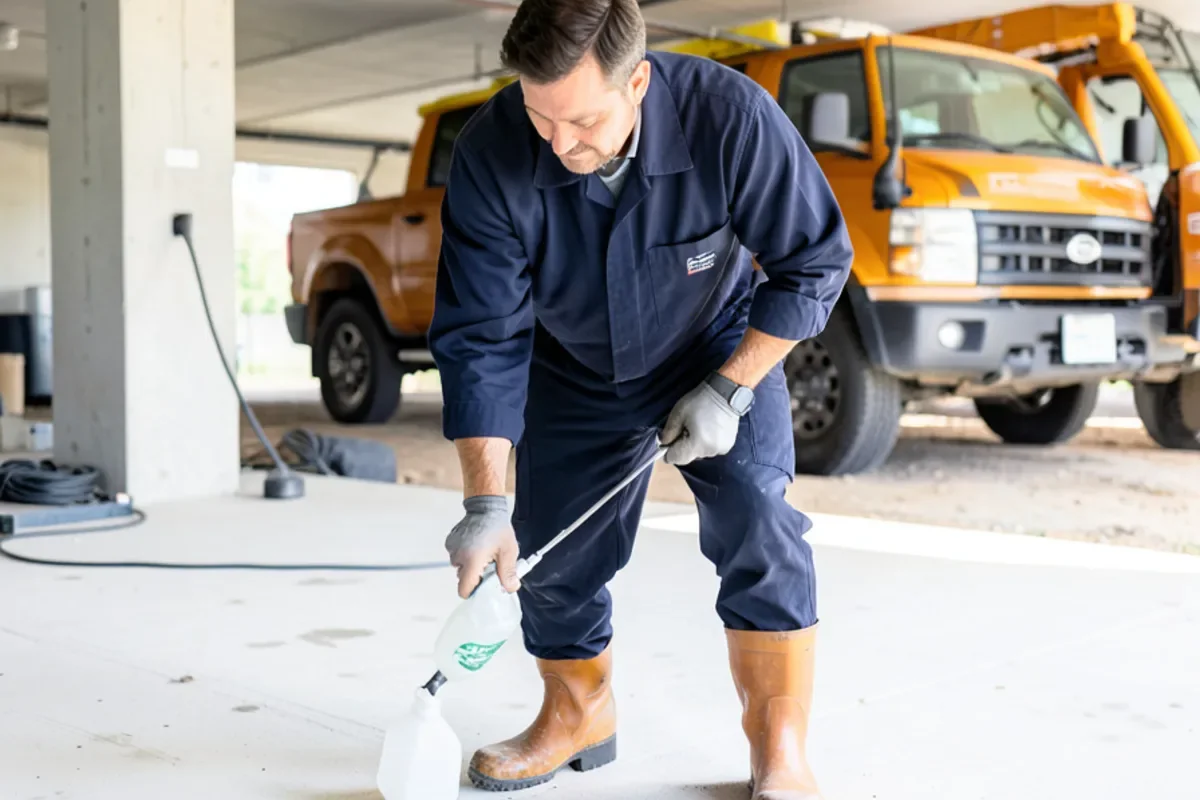
Antimicrobial Fogging vs. Direct Surface Sanitization
ULV cold fogging distributes EPA-registered antimicrobials across broad basement air spaces and joists, complemented by direct biocidal scrubbing of concrete slabs.
High-Capacity Trash Pumps vs. Truck-Mounted Sump Evacuation
Submersible trash pumps handle deep muddy water with solid sediment, while truck-mount vacuum hoses extract shallow remaining water films and wet carpets.
Step-by-Step Restoration Workflow
Step 1: Emergency Dispatch & Sump Assessment
Call (702) 478-1007 to mobilize an emergency basement cleanup crew. Dispatchers advise on utility safety while response teams deploy.
Step 2: High-Volume Flood Pumping
Crews deploy submersible trash pumps to rapidly lower basement water levels and protect heating, hot water, and electrical equipment.
Step 3: Muck, Debris, and Saturated Content Removal
Damaged porous items, saturated cardboard boxes, and ruined carpet padding are safely inventoried, photographed, and cleared.
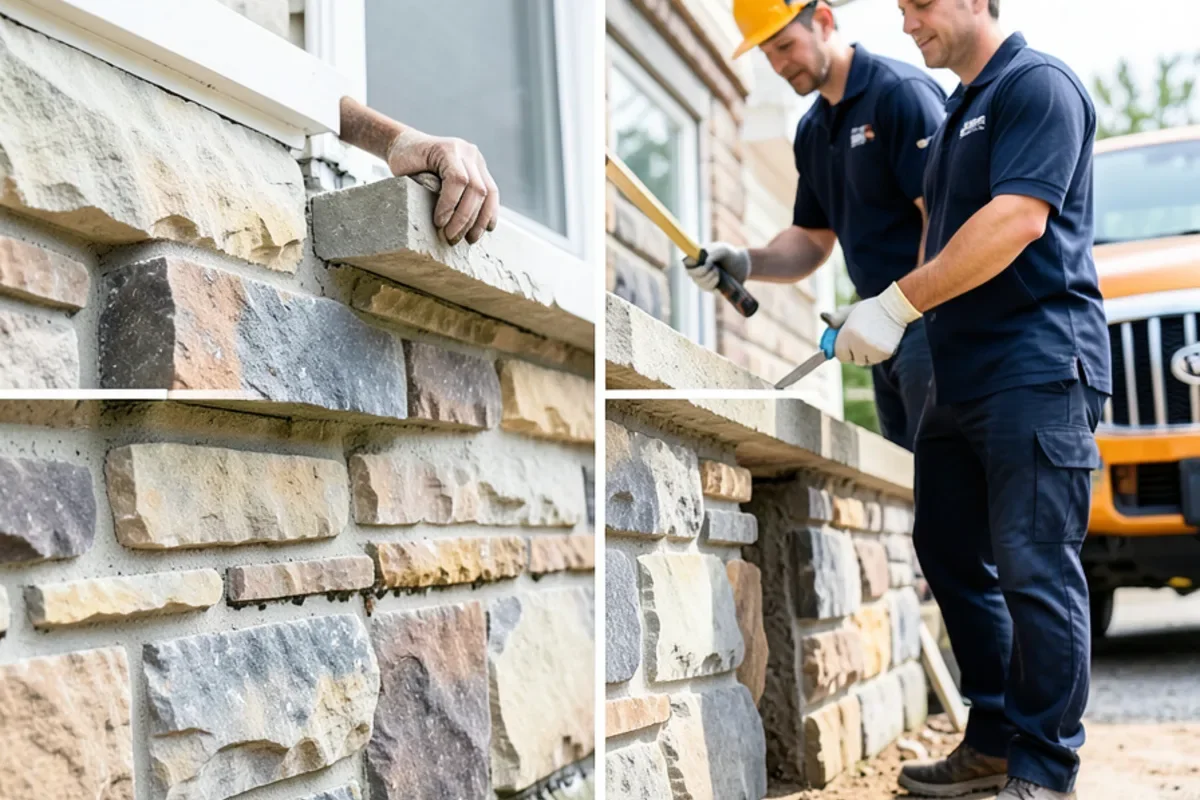
Step 4: Masonry & Concrete Decontamination
Concrete slabs and foundation walls are pressure-cleaned and treated with EPA-registered hospital-grade antimicrobial solutions.
Step 5: Deep Structural Cavity Drying
Industrial LGR dehumidifiers and high-output air movers run continuously to draw moisture out of concrete slabs, rim joists, and studs.
Step 6: Moisture Validation & Clearance Testing
Technicians take daily psychrometric readings to verify that framing, subfloors, and masonry foundation walls return to baseline dry standards.
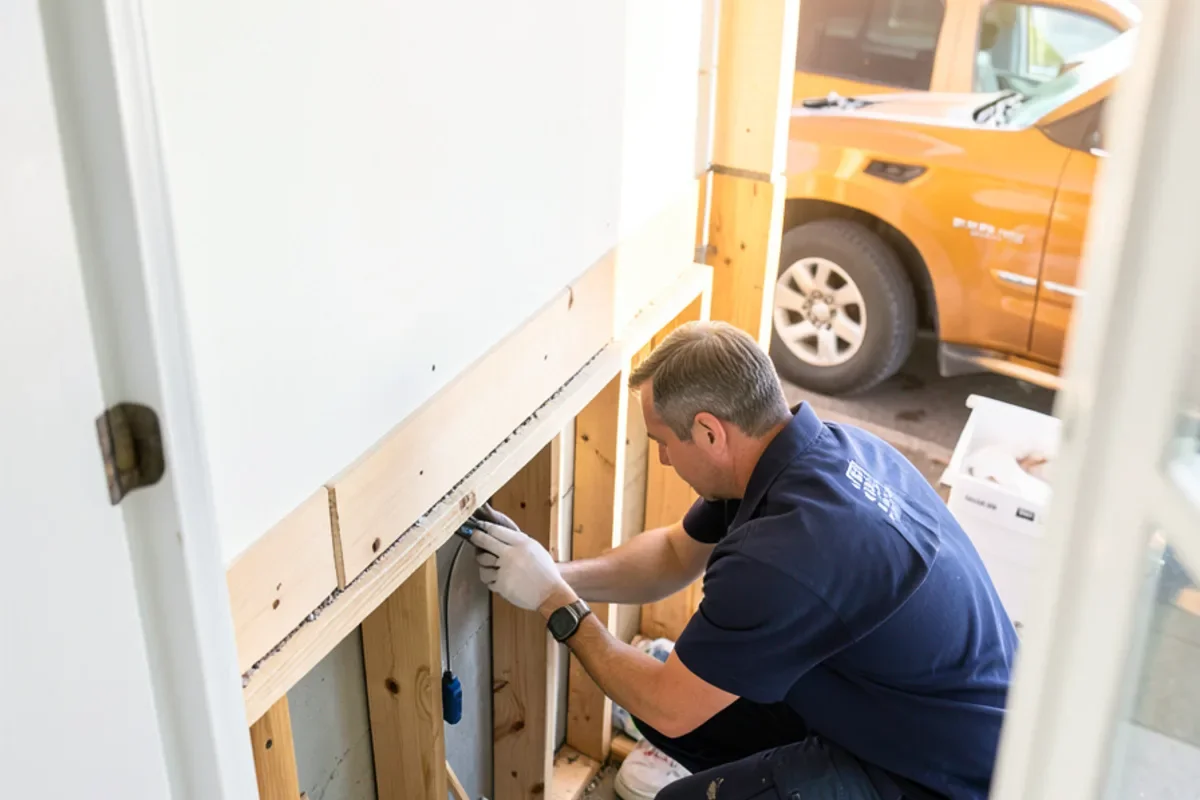
Water extraction and debris clearing takes 3 to 6 hours. Complete mechanical structural drying of concrete and framing requires 3 to 5 days under continuous dehumidification.
What Drives the Price of Flooded Basement Cleanup
Every property presents unique architectural and contamination variables. Restoration costs are determined by these primary factors:
Note: An independent contractor will always inspect your property and provide an itemized written estimate before performing non-emergency structural work.
Prevention & Maintenance Recommendations
Rebuilding finished basement drywall, installing new electrical circuits, or replacing floor framing in Maryland requires a licensed Maryland Home Improvement Commission (MHIC) contractor under the Department of Labor. Always verify contractor licenses at dllr.state.md.us/license/mhic.
Always verify that your responding contractor holds active licensing with the Maryland Home Improvement Commission (MHIC) before signing agreements.
Communities Frequently Dispatched for Flooded Basement Cleanup
We connect property owners with independent restoration pros across Baltimore City and nearby suburbs: