
Sewage Backup in a Baltimore Basement: Safety, City Help and Insurance
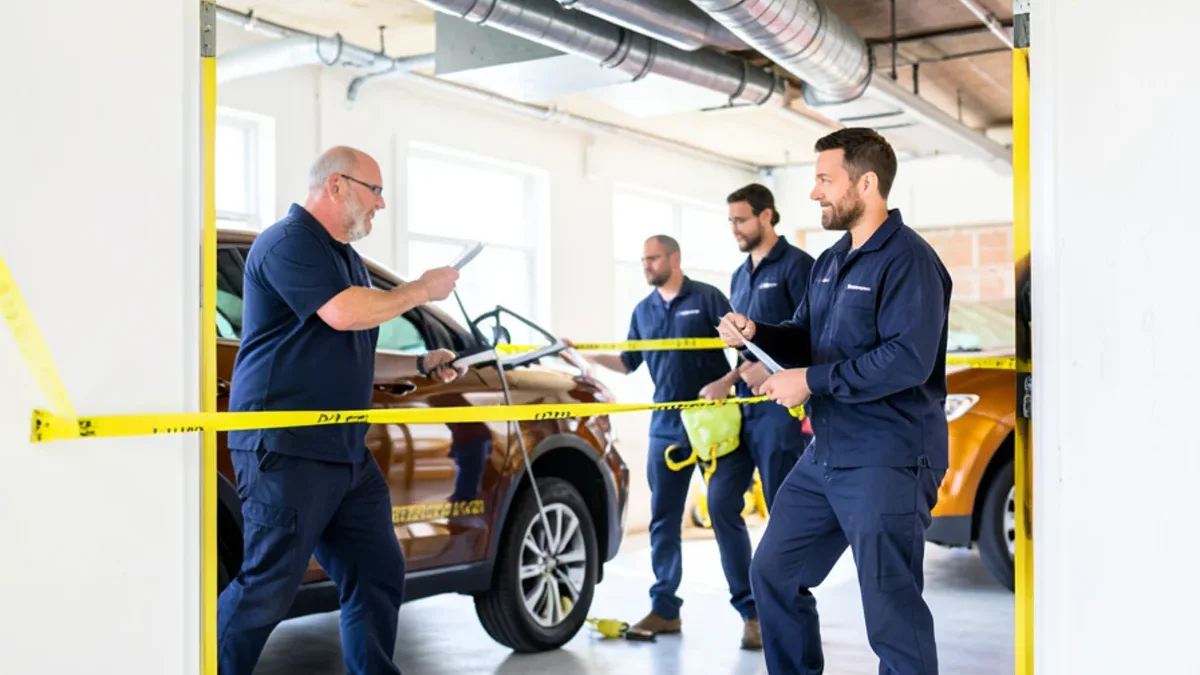
A sewage backup in a Baltimore basement is a hazardous Category 3 biohazard containing harmful pathogens. Never enter without protective gear. Immediately isolate the area, turn off air circulation, notify the Baltimore City Department of Public Works (call 311) to inspect the public main, and contact an emergency decontamination team at (702) 478-1007. Document everything with photos to support a City Comptroller claim and your insurance carrier's sewer backup endorsement.
The Biological Reality of Category 3 Black Water
Raw municipal sewage is classified under ANSI/IICRC S500 standards as Category 3 (black water)—the most dangerous contamination level. Sewage backups contain active human metabolic waste, industrial chemicals, grease, and billions of pathogenic microorganisms, including E. coli, Salmonella, Cryptosporidium, Giardia, and hepatitis A. Inhaling airborne droplets or touching contaminated surfaces poses immediate risks of gastroenteritis, skin infections, and severe respiratory illness. Furthermore, warm, humid basement conditions cause bacteria to multiply exponentially within hours.
Why Baltimore Basements Face Frequent Sewer Surcharges
Baltimore City operates one of the oldest combined and semi-combined sewer infrastructures in the United States. Many neighborhood sanitary sewer mains date back over a century, constructed of clay tile or unreinforced brick. During intense convective summer downpours, millions of gallons of stormwater infiltrate cracked public sewer pipes. When the collection mains exceed hydraulic capacity, wastewater surcharges backward through private lateral lines into the lowest residential plumbing fixture—which in Baltimore is almost always a basement floor drain, utility sink, or lower-level toilet.
City Help: Navigating Baltimore DPW and Comptroller Claims
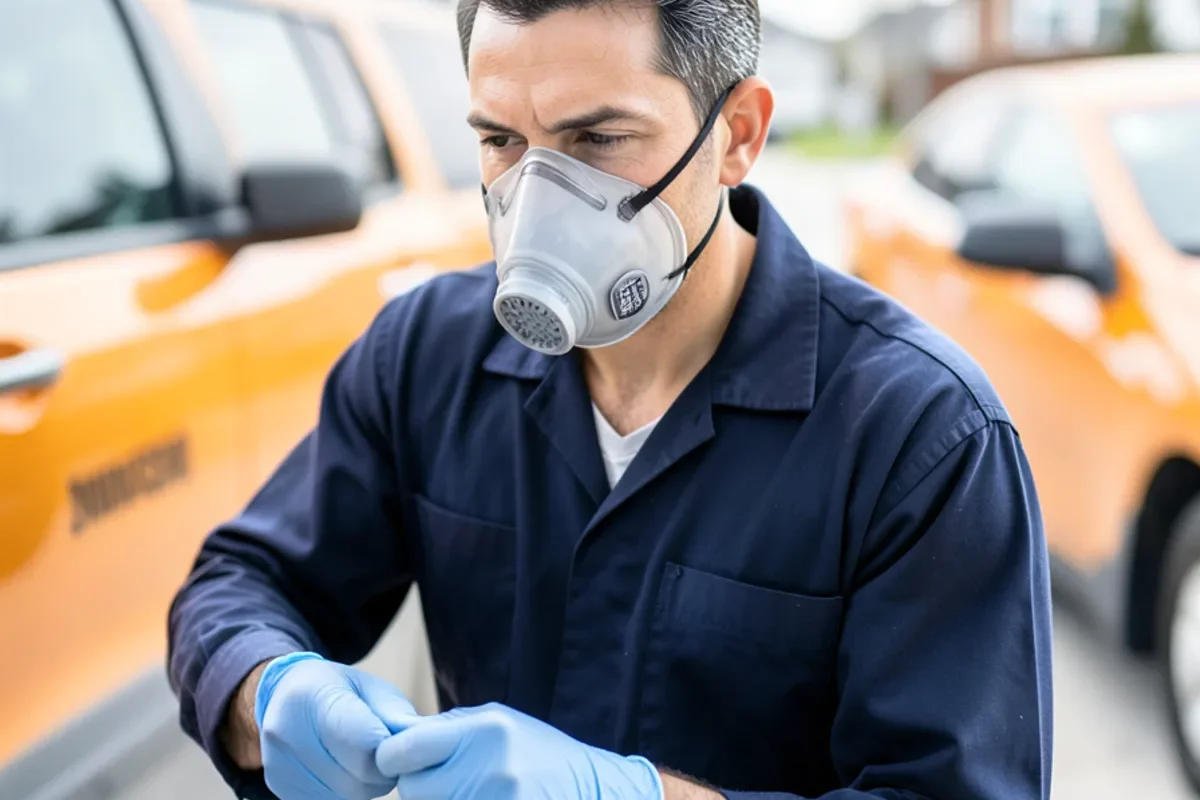
When a backup occurs, homeowners must immediately call Baltimore 311 (or 443-263-2220) to request emergency inspection and obtain an official 311 service request number. A Baltimore City DPW crew will inspect the municipal main line in the street. Under the Baltimore DPW Expedited Sewage Reimbursement Program—established in accordance with the City's Modified Federal Consent Decree with the EPA—eligible residents whose basements are inundated by public sewer system surcharges during rain events can receive direct reimbursement of up to $5,000 for emergency cleanup and sanitization expenses. In addition, claims exceeding this limit or involving property loss may be submitted directly to the Baltimore City Department of Finance / City Comptroller. Note that municipal claim processes have strict statutory filing deadlines under the Maryland Local Government Tort Claims Act (Courts & Judicial Proceedings § 5-304), requiring documented 311 service numbers, photographic proof of waterlines, and itemized cleanup invoices submitted within one year of the incident.
Insurance Considerations: The Water Backup Endorsement
Standard Maryland homeowners insurance policies (HO-3) routinely exclude water and sewage backing up through drains and sewers. Coverage is only available if the homeowner specifically purchased an optional 'Water Backup and Sump Overflow' endorsement. These endorsements typically provide $5,000 to $25,000 in dedicated coverage for emergency extraction, professional sanitization, and structural rebuilding. Because sewage claims require extensive removal of porous materials, knowing your endorsement limit is vital before authorizing reconstruction scopes.
Professional Remediation Protocols: Containment and Disposal
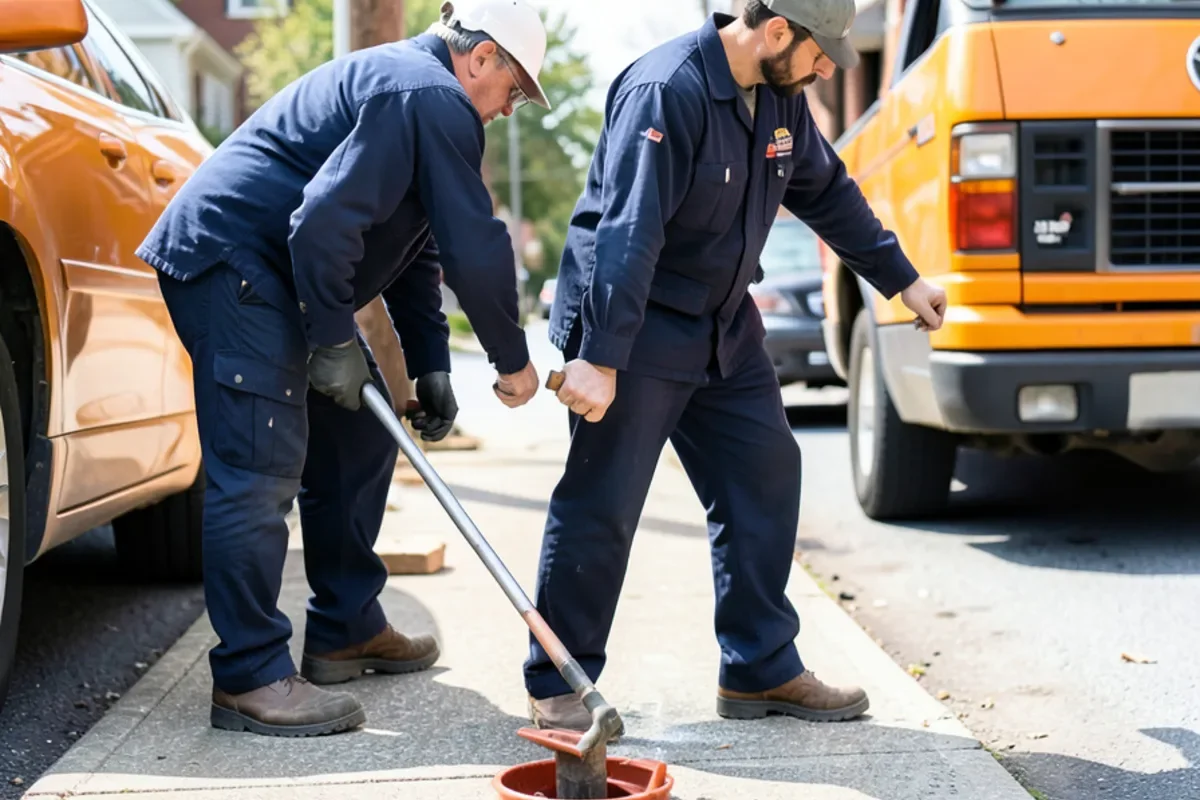
Professional sewage cleanup requires specialized training and equipment. Crews establish negative air containment barriers using commercial HEPA air scrubbers to prevent airborne pathogens from entering upper living areas. Technicians in full Tyvek suits, respirators, and heavy rubber boots extract bulk waste, remove and bag all porous materials (carpet, underlayment, drywall, insulation), and pressure-scrub concrete slabs with EPA-registered hospital-grade antimicrobials. Mechanical structural drying with LGR dehumidifiers follows, concluding with surface hygiene testing before the space is declared safe.
Step-by-Step Decontamination Protocol and ATP Clearance Testing
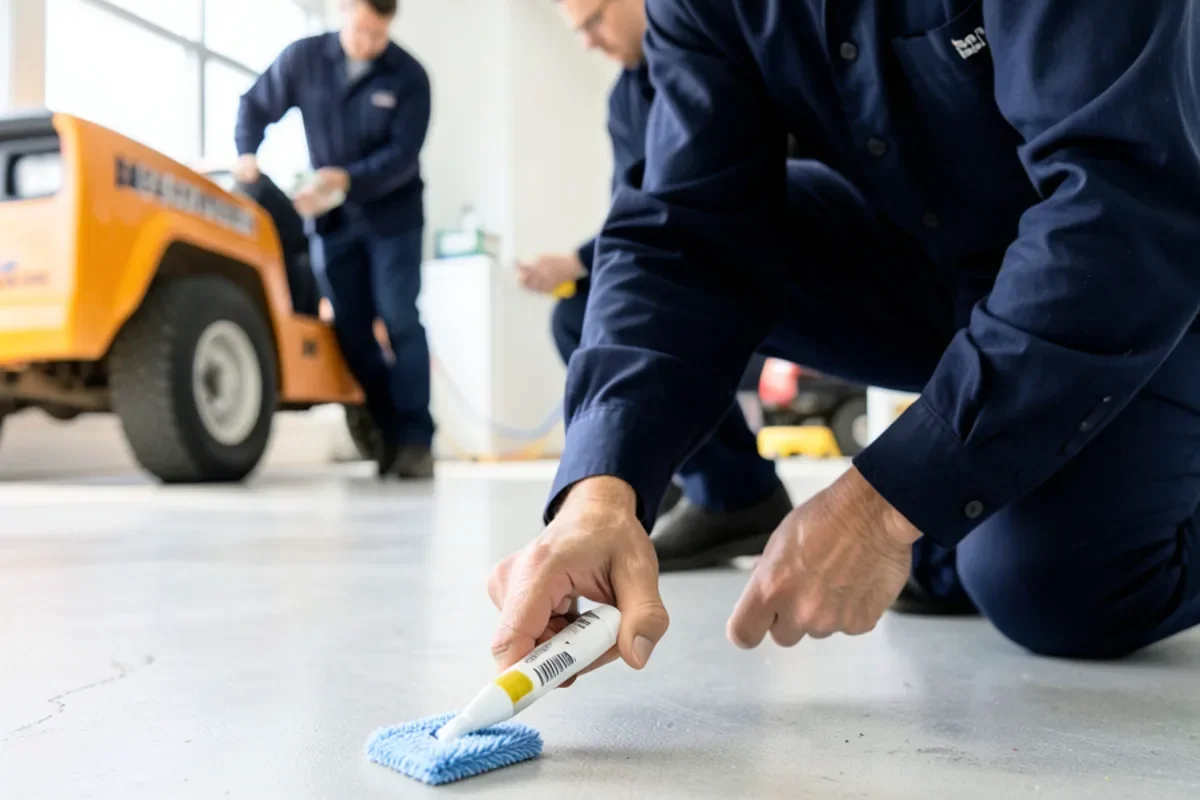
Achieving true biological clearance requires far more than surface washing with bleach. Professional restoration technicians execute a multi-phase decontamination cycle starting with physical solids evacuation, followed by low-pressure foaming application of hospital-grade quaternary ammonium or botanical thymol disinfectants. Antimicrobial formulations require a minimum 10-minute wet dwell time to penetrate micro-fissures in subterranean concrete slabs and kill resilient enteric pathogens. Following dwell time, slabs are hot-water rinsed and extracted under high lift vacuum pressure. Technicians verify sanitation using ATP (adenosine triphosphate) bioluminescence swab testing, which measures active cellular contamination on treated surfaces. Only when relative light unit (RLU) counts drop to hospital cleanroom baselines is the space certified safe for rebuild.
Material Salvageability Guidelines for Category 3 Sewage Losses
| Material Type | Example Building Items | Salvageability Status | Required Remediation Action |
|---|---|---|---|
| Porous Materials | Carpeting, carpet padding, mattresses, upholstered furniture | Non-Salvageable | Cut, seal in heavy-gauge waste bags, and lawfully discard |
| Semi-Porous Framing | Drywall, fiberglass insulation, MDF baseboards | Non-Salvageable | Perform flood cut 12–24 inches above waterline and discard |
| Structural Lumber | Subfloor plywood, wall studs, floor joists | Conditionally Salvageable | Scrub with antimicrobial, HEPA-vacuum, and dry to <15% moisture |
| Non-Porous Surfaces | Concrete slab, ceramic tile, porcelain, metal framing | Salvageable | Pressure wash, apply broad-spectrum disinfectant, and dry |
When filing a sewage claim with the Baltimore City Comptroller or your private insurer, the single most common mistake is failing to record the exact time the municipal sewer surcharged. Documenting weather conditions, rainfall intensity, and photos of bubbling street manholes adjacent to your home provides invaluable supporting evidence that the backup originated from public main overload rather than private lateral root clogs.
Our guides and technical overviews cite official state licensing boards, regional public works departments, environmental agencies, and industry standards:
Frequently Asked Questions: Sewage Backup in a Baltimore Basement: Safety, City Help and Insurance
Specific answers and technical considerations drawn from this guide.
Health authorities strongly advise against DIY sewage cleanup. Household bleach does not penetrate porous concrete slabs or wood studs, and handling raw wastewater without full-face respirators and protective clothing exposes you to serious viral and bacterial infections.
Questions About an Active Leak or Basement Flood?
Speak with our Baltimore emergency dispatch team. Call (702) 478-1007 to connect with an independent local pro.