
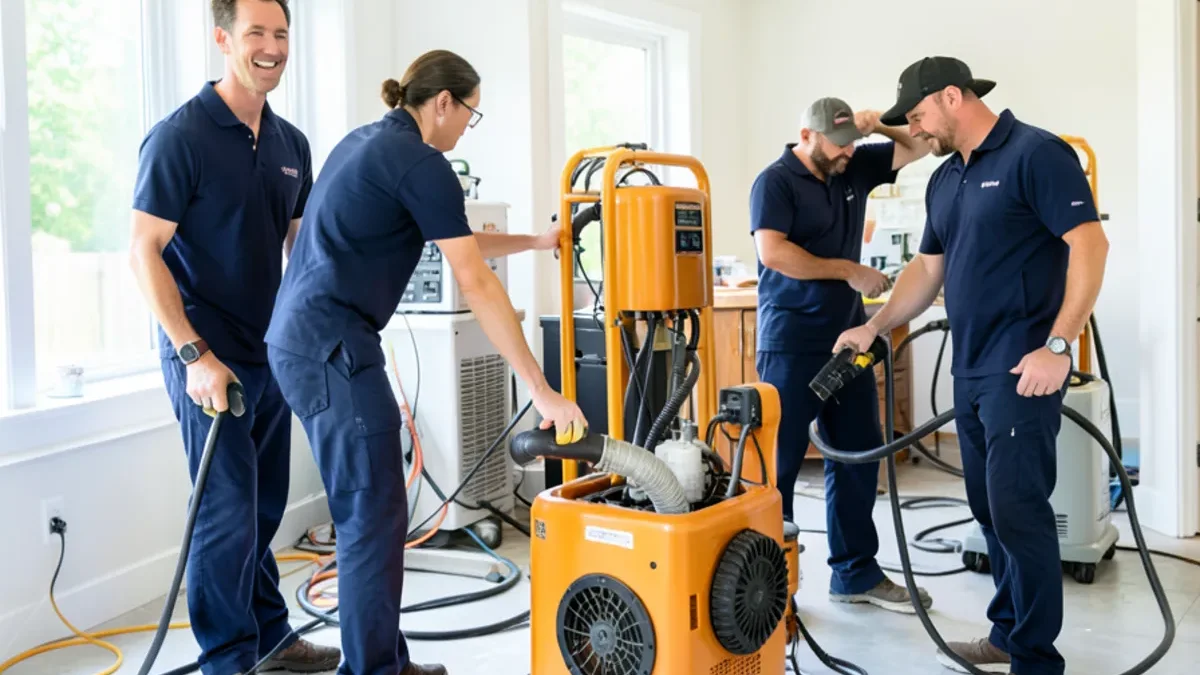
Understanding Water Damage Restoration in Baltimore Properties
Residential water damage cleanup Baltimore MD properties undergo involves addressing severe regional architectural challenges. The region features one of the oldest big-city housing stocks in the nation, dominated by pre-1940 brick rowhouses with continuous shared masonry party walls, cast-iron plumbing stacks, and rubble foundation footings. A plumbing leak or storm inundation does not remain contained; capillary action draws moisture upward into drywall, insulation, and timber framing. When storm water damage Baltimore buildings suffer penetrates basement slabs, row home water damage restoration Baltimore specialists perform becomes vital. If structural drying is not initiated within 24 to 48 hours, high ambient humidity creates prime conditions for mold spores to colonize wet cellulose materials.
Municipal Data Insight: According to Baltimore City 311 municipal records, over 38,000 water, sewer, and drainage service calls were logged between January 2024 and April 2026. This persistent volume reflects severe systemic pressure on aging municipal cast-iron water mains and combined sewer infrastructure across neighborhoods like Hampden, Federal Hill, Fells Point, Johns Hopkins University campus borders, and Southwest Baltimore.
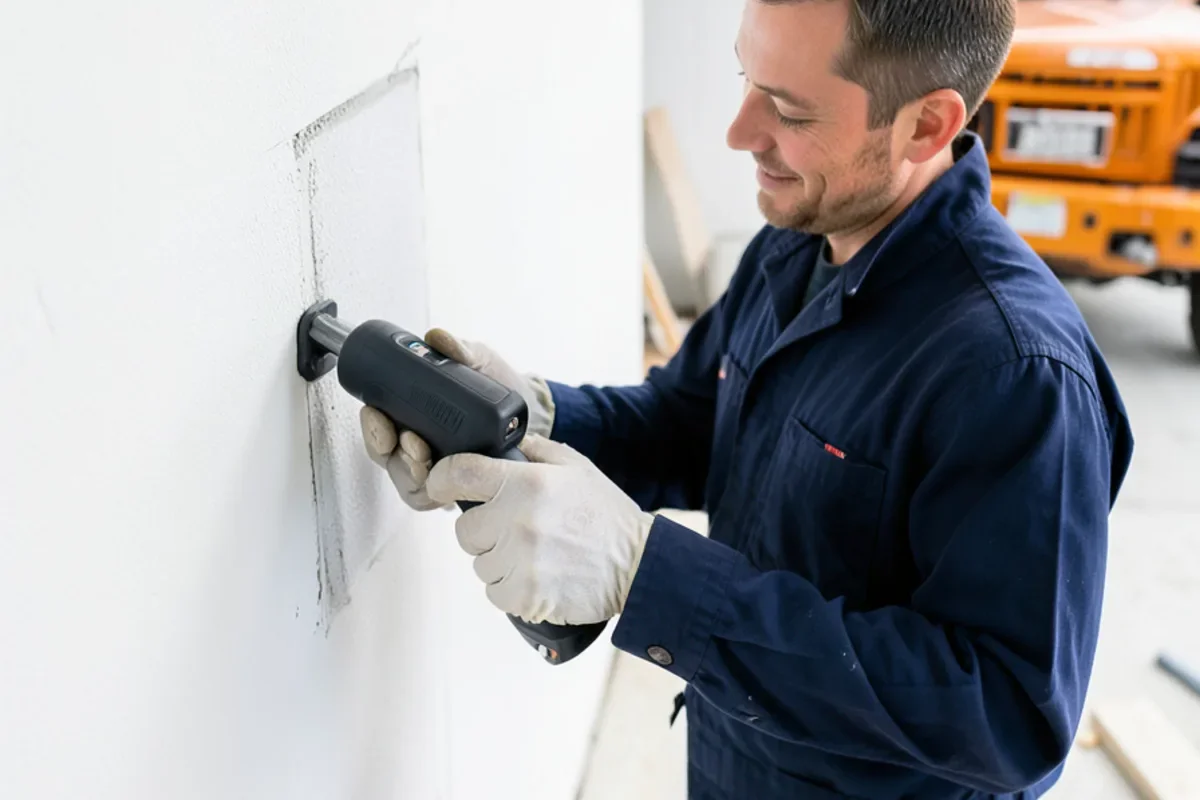
What to Do in the First 30 Minutes (Emergency Assessment & Safety)
The first 30 minutes following water penetration determine the boundary between minor structural drying and extensive tear-out. Whether managing basement water damage Baltimore basements suffer or sudden burst pipe cleanup Baltimore rowhouses require, prioritize life safety before inspecting property.
Immediate Life Safety Steps
- Protect Life Safety First: Evacuate all occupants and pets away from standing water. Never enter a flooded basement if water reaches outlets, electrical baseboards, furnace controls, or the main breaker panel; request emergency flood service Baltimore dispatchers coordinate.
- Shut Off the Water Source: If the flooding originates from an internal plumbing line and the valve is safely accessible without stepping into standing water, turn off the main water shutoff valve immediately.
- Avoid Electrical & Mechanical Hazards: Do not operate household vacuum cleaners, electric shop vacs, or standard domestic fans in damp or wet rooms. Avoid touching light switches in rooms with wet ceilings.
- Call Emergency Dispatch: Call (702) 478-1007 right away. Inform dispatchers if your loss requires basement flood cleanup Baltimore services, clean gray black water restoration Baltimore protocols, or commercial water damage restoration Baltimore facilities need so crews arrive with proper extraction pumps.
Documenting the Loss for Insurance
- Capture Waterlines on Camera: Take wide-angle photos and videos of water accumulation against baseboards and walls for insurance documentation for water damage Baltimore adjusters examine.
- Document the Point of Origin: Photograph the ruptured copper pipe, failed water heater base, overflowing window well, or backed-up floor drain to support insurance water damage help Baltimore policyholders rely on.
- Inventory High-Value Belongings: Record brands, model numbers, and visible water contact on furniture, electronics, rugs, and storage bins for your insurance claims adjuster.
- Retain Failed Plumbing Parts: If a plumber replaces a burst pipe section or valve, retain the damaged part in a bucket for the insurance adjuster's physical inspection.
How to Identify If You Have a Serious Loss
- Water pooling along concrete foundation perimeters requiring emergency water removal Baltimore teams deliver
- Soft, spongy, or cupping hardwood flooring in need of water cleanup Baltimore MD extraction
- Water stains, discoloration rings, or sagging ceilings indicating burst pipe water damage repair Baltimore homes require
- Persistent musty odors signaling the urgent need for mold prevention Baltimore water damage causes behind baseboards
- Damp wallboard detected during moisture inspection and thermal imaging scans
- Dampness spreading across masonry party walls, requiring structural drying Baltimore MD standards dictate
Local Factors & Common Causes in Baltimore
Aging municipal water mains and aging row-home plumbing experiencing pressure breaks across Baltimore City
Uninsulated exterior wall cavities causing burst pipes during severe winter freezes
Torrential summer cloudbursts causing severe storm water damage Baltimore drainage systems cannot handle
High hydrostatic ground pressure driving foundation seepage through historic rubble basement foundations
Municipal sewer main surcharges requiring immediate sewage cleanup Baltimore MD protocols
Window well overflow and coastal storm damage near low-elevation waterfronts
Baltimore Water Loss Scenarios: Symptoms & Contamination Risks
| Primary Cause | Recognizable Warning Signs | Immediate Action | Contamination Risk |
|---|---|---|---|
| Aging Row-Home Plumbing & Burst Pipes | Pinhole leaks behind lath and plaster, ceiling stains in lower units, rattling copper pipes | Shut off water at interior main, photograph ceiling drywall deflection, call dispatch for burst pipe cleanup Baltimore support | Category 1 (Clean water initially; degrades to Cat 2 after 24–48 hours) |
| Baltimore Sewer Surcharge & Sewage Backup | Dark water rising through basement floor drains, toilet gurgling, strong sulfurous odor | Evacuate basement immediately, do not touch water, call dispatch for emergency sewage backup cleanup Baltimore MD response | Category 3 (Grossly unsanitary black water containing pathogens and bacteria) |
| Storm Runoff & Window Wells (Storm Damage Water Restoration Baltimore) | Water cascading down areaway stairs, pooling in window wells, seepage along rubble walls | Clear surface debris from exterior drain grates if safe, move contents to upper levels | Category 2 or 3 (Contains street runoff, soil silt, fertilizers, and animal waste) |
| Winter Freeze Pipe Ruptures | Sudden complete loss of water pressure, frost on pipes in unheated crawlspaces, wall spraying | Shut off main valve, shut off power to wet zones, open faucets slightly to relieve pressure, and call for burst pipe cleanup Baltimore dispatch | Category 1 (High volume clean water requiring immediate bulk extraction) |
| Hydrostatic Sump Failure & Crawlspace Inundation | Water bubbling along slab expansion joints, failed float switch, standing sump pit water in crawlspace | Inspect dedicated circuit breaker, switch to 12V marine battery backup, call dispatch for crawlspace water damage restoration Baltimore assistance | Category 2 (Groundwater containing organic sediment and dissolved minerals) |
Facing Water Damage Restoration in Baltimore?
Do not wait for structural materials to deteriorate. Call our 24/7 emergency dispatch line to speak with an operator and connect with a local restoration contractor.
What a Restoration Contractor Inspects on Site
Mitigation begins with diagnostic evaluation. The contractor dispatched to your property conducts a thorough forensic moisture assessment:
Safety triage inspecting electrical panel clearance, gas line integrity, and ceiling stability
Source verification to confirm incoming water flow has been physically shut off
Thermal imaging and moisture detection after water damage Baltimore structures incur
Baseline moisture meter readings comparing unaffected dry materials against wet structures during thorough moisture inspection
Water contamination classification under ANSI/IICRC S500 (Category 1 clean, Category 2 gray, Category 3 black water)
Moisture mapping of hidden cavities, crawlspace water damage Baltimore foundations absorb, party walls, and subfloors
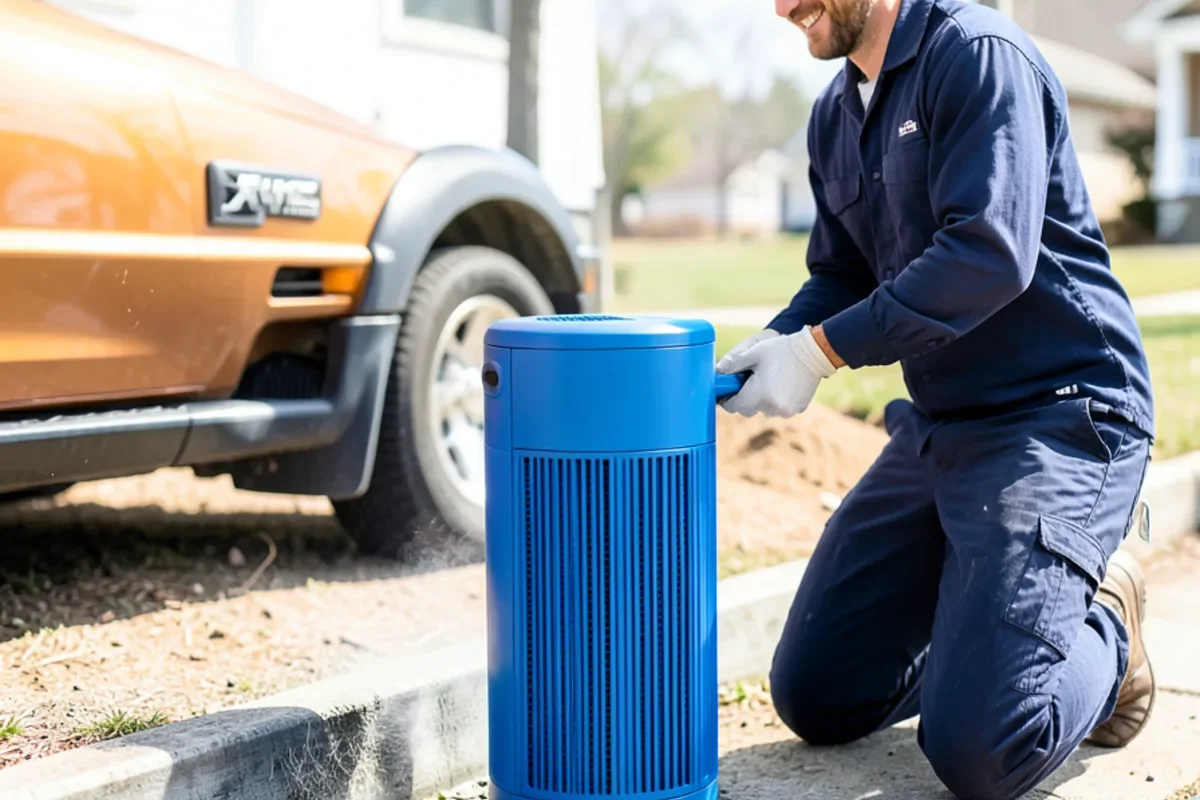
Mitigation Methodologies & Trade-Offs
Controlled Flood Cuts vs. In-Place Cavity Drying
Drywall is opened 12 to 24 inches above the moisture line to evacuate wet insulation, or specialized wall-cavity air injectors force warm air behind baseboards without major wall demolition.
Truck-Mounted Extraction vs. Portable Submersible Extractors
High-volume truck-mount vacuums pull hundreds of gallons per hour from street-level accesses, while compact portable units navigate narrow rowhouse alleyways.
LGR Refrigerant Dehumidification vs. Desiccant Dehumidifiers
Low Grain Refrigerant (LGR) units remove moisture in standard residential temperatures, while industrial desiccant dehumidifiers dry dense brick and sub-freezing spaces.
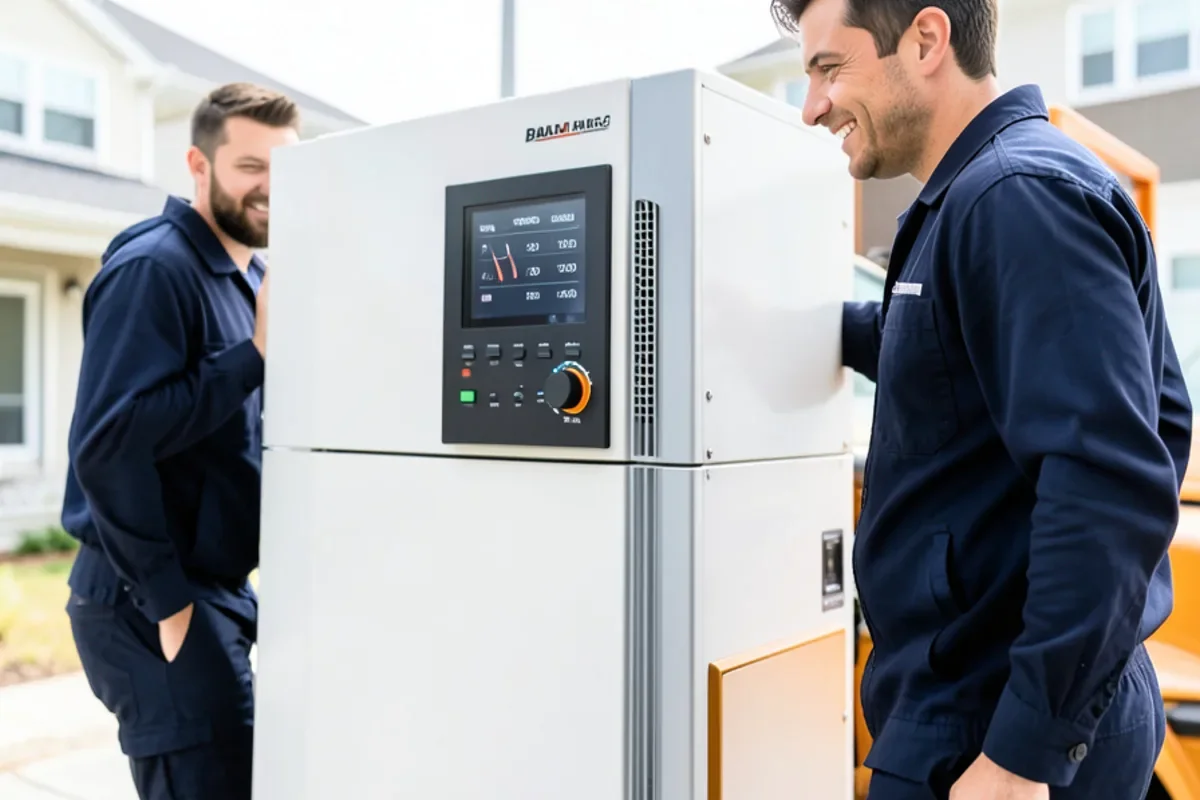
Water Damage Categories & Contamination Risks (ANSI/IICRC S500)
Under the ANSI/IICRC S500 Standard for Professional Water Damage Restoration, water losses are classified by biological and chemical contamination levels:
| Water Category | Typical Sources | Biohazard Level | Remediation Protocol |
|---|---|---|---|
| Category 1: Clean Water (Water Damage Restoration Baltimore MD) | Broken domestic water supply lines, overflowing sinks, clean rainwater, melting snow | Low initial hazard. Poses no substantial risk to human health upon initial discharge. | Bulk water extraction, high-velocity air movement, LGR dehumidification. Structural materials can frequently be dried in place if treated within 24 to 48 hours. |
| Category 2: Gray Water (Residential Water Damage Cleanup Baltimore MD) | Dishwasher overflows, washing machine discharge, sump pump failure with soil particulates | Moderate biological and chemical contamination. Can cause discomfort or sickness if exposed to skin or ingested. | Extraction of contaminated liquid, removal and disposal of wet carpet padding, application of EPA-registered botanical antimicrobials, and structural drying under negative pressure. |
| Category 3: Black Water (Sewage Cleanup Baltimore MD) | Municipal sewer backups, toilet overflows containing feces, rising river or Chesapeake storm surge floodwater | Severe biohazard. Contains pathogenic bacteria, viruses, parasitic microbes, and toxic chemical compounds. | Mandatory personal protective equipment (PPE), containment barriers with zipper doors, HEPA air scrubbing, removal and hazardous disposal of all porous building materials, and thorough biocide sanitization. |
Step-by-Step Restoration Workflow
Step 1: Emergency Intake & 24 Hour Water Restoration Baltimore Dispatch
When you call (702) 478-1007, an intake dispatcher collects critical loss details: property location, source of water, electrical status, and depth of standing water to mobilize the appropriate response crew.
Step 2: On-Site Evaluation & Water Damage Inspection Baltimore Maryland
The responding restoration contractor evaluates the site, checks safety, maps the boundary of moisture travel using infrared thermal cameras, and establishes a clear written scope of work.
Step 3: Emergency Water Removal Baltimore Maryland & Physical Extraction
Industrial extraction units and submersible pumps pull free-standing water from basements, carpets, and concrete subfloors to prevent lateral expansion.
Step 4: Controlled Demolition & Baltimore MD Flood Damage Cleanup Protocols
Unsalvageable wet insulation and porous materials are neatly removed, and EPA-registered botanical antimicrobials are applied to inhibit bacterial and fungal proliferation.
Step 5: Mechanical Structural Drying & Moisture Extraction Chamber Setup
Commercial LGR dehumidifiers and high-velocity axial air movers are positioned strategically to draw bound moisture out of structural wall studs, floor joists, and subfloors.
Step 6: Daily Psychrometric Monitoring & Claim Documentation
The contractor records daily temperature, relative humidity, and moisture content logs until drying standards are met, providing full documentation for your insurance adjuster.
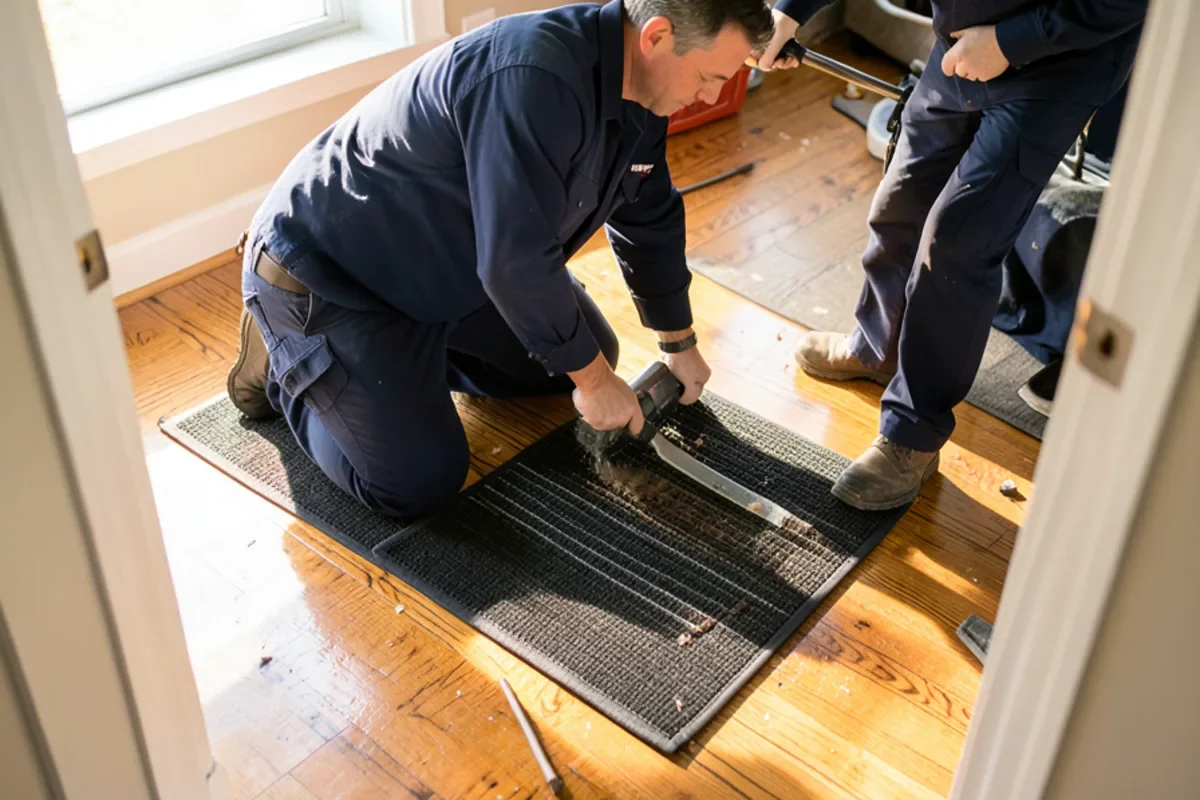
Emergency water extraction and containment setup typically takes 2 to 4 hours from crew arrival. Full structural dehumidification of framing and concrete requires 3 to 5 days under continuous mechanical operation.
Supporting Your Maryland Property Loss Claim
When filing a claim, policyholders can seek guidance through consumer resources provided by the Maryland Insurance Administration. Restoration contractors provide daily psychrometric moisture logs recording grains per pound (GPP), relative humidity, and temperature. Ensure the contractor provides an itemized scope using standard industry line items, time-stamped thermal imaging photos proving where water traveled, and moisture meter readings showing dry baseline targets were achieved before reconstruction begins.
What Drives the Price of Water Damage Restoration
Every property presents unique architectural and contamination variables. Restoration costs are determined by these primary factors:
Baltimore Metro Researched Cost Planning Benchmarks
These figures reflect third-party published Baltimore metropolitan planning averages for water removal cost Baltimore MD homeowners encounter, as well as broader water damage restoration cost Baltimore Maryland benchmarks. They do not constitute an official quote or binding estimate. Every water loss presents unique structural conditions requiring an on-site evaluation and a written, itemized estimate prior to non-emergency work.
Note: An independent contractor will always inspect your property and provide an itemized written estimate before performing non-emergency structural work.
Prevention & Maintenance Recommendations
In the State of Maryland, any residential property restoration involving structural alteration, drywall demolition, framing replacement, or rebuilding must be performed by a contractor licensed by the Maryland Home Improvement Commission (MHIC) under the Department of Labor. When vetting a licensed water damage contractor Baltimore homeowners should publicly verify license standing, complaint history, and active insurance coverage on the official state portal at dllr.state.md.us/license/mhic. The Environmental Protection Agency (EPA) also provides clear residential moisture and mold cleanup guidance for wet cellulose building materials.
Always verify that your responding contractor holds active licensing with the Maryland Home Improvement Commission (MHIC) before signing agreements.
Communities Frequently Dispatched for Water Damage Restoration
We connect property owners with independent restoration pros across Baltimore City and nearby suburbs: