
Mold After a Leak: How Fast It Grows and When to Call a Pro
Mold spores can begin colonizing wet building materials in as little as 24 to 48 hours following a water leak or flood in Baltimore's humid climate. Active fungal growth becomes visible within 72 hours if relative humidity stays above 60%. Call a professional remediation team at (702) 478-1007 if mold covers more than 10 square feet, if contamination is inside wall cavities or HVAC ducts, or if water originated from sewage or floodwaters.
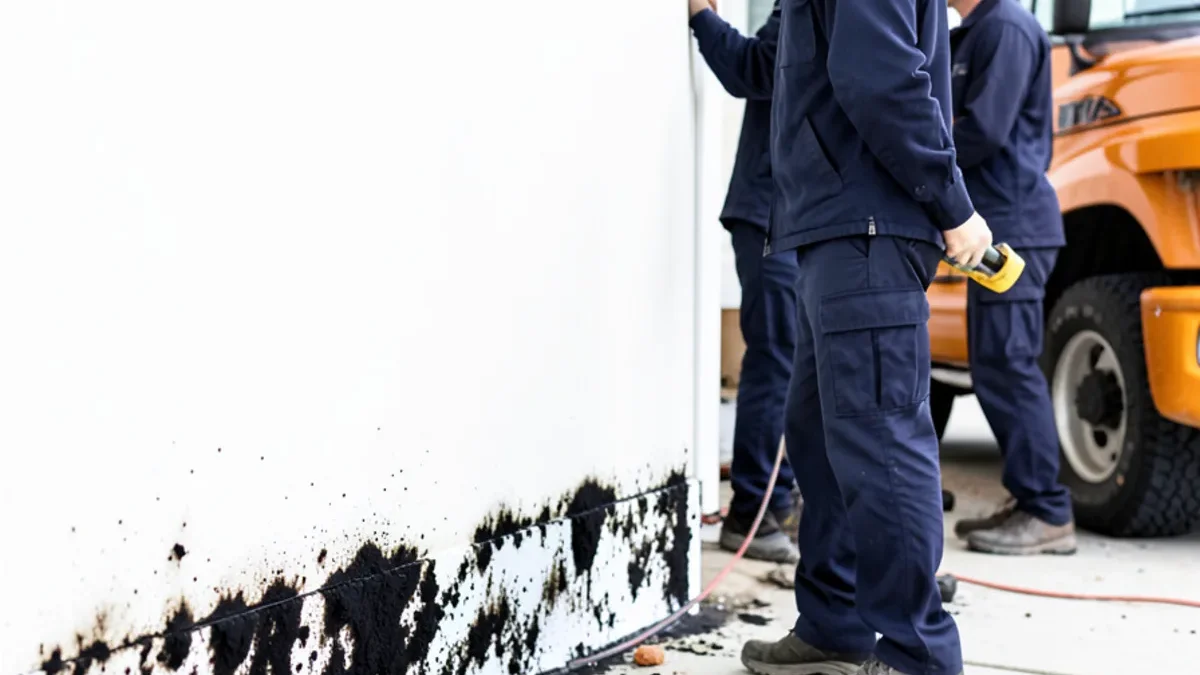
The 24-to-48-Hour Biological Germination Window
Microscopic fungal spores exist naturally in ambient outdoor and indoor air at all times. In dry environments, these spores remain dormant. However, when building materials (gypsum drywall paper, pine wall studs, subfloor plywood, carpet backing) become damp from a plumbing leak, spores absorb moisture, germinate, and form hyphae root networks within 24 to 48 hours. In the humid summer climate of the Baltimore-Washington region, ambient indoor relative humidity exceeding 60% drastically accelerates fungal colonization.
Why Bleach Fails on Porous Structural Materials
A widespread myth among homeowners is that spraying household chlorine bleach cures mold infestations on drywall or wood. The EPA, OSHA, and certified industrial hygienists explicitly advise against bleach for porous building materials. Household bleach contains roughly 90% water and only 5% to 10% sodium hypochlorite. The heavy molecular structure of chlorine ions prevents them from penetrating microscopic cellular pores in wood framing, plaster, and drywall paper. The chlorine evaporates quickly into the air, while the water component is drawn deep into the wood grain through capillary action. This moisture hydrates the dormant root systems (hyphae) of the fungal colony, causing mold to flourish and re-colonize the surface more aggressively within 7 to 14 days.
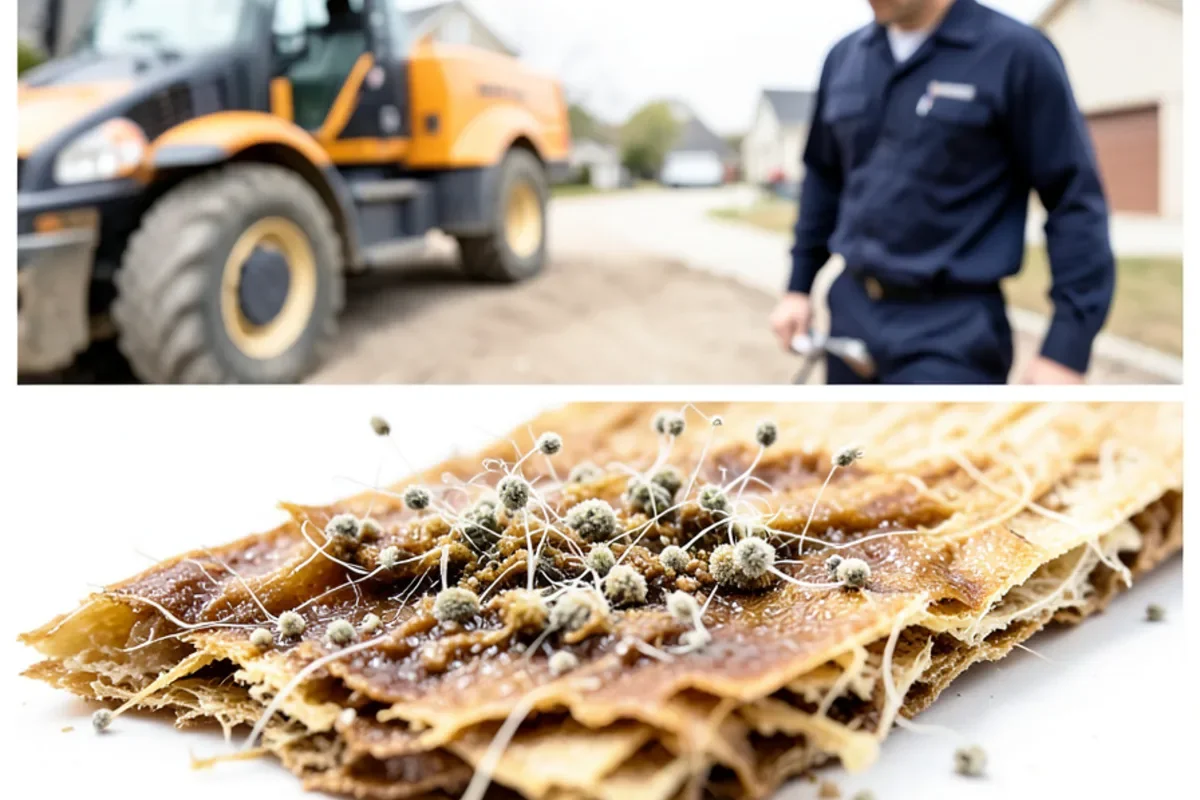
EPA Guidelines: Small DIY Cleaning vs. Professional Remediation
The EPA provides clear guidelines separating minor DIY mold cleanup from projects requiring professional containment. If surface mold is confined to a non-porous area under 10 square feet (for example, a small patch on bathroom tile or vinyl baseboard caused by condensation), a homeowner can safely clean it with detergent and water while wearing an N95 respirator. However, if mold covers more than 10 square feet, has penetrated wall cavities, originated from Category 2/3 sewage or floodwaters, or occupants suffer respiratory symptoms, professional containment is legally and practically required.
How Professionals Contain and Remediate Mold Under S520 Standards
Professional remediation follows the ANSI/IICRC S520 Standard for Professional Mold Remediation. Technicians erect 6-mil poly containment barriers equipped with zippered airlocks to isolate the work zone. Negative air machines with certified HEPA filtration exhaust filtered air outside, preventing spores from cross-contaminating unaffected living areas. Contaminated porous drywall and insulation are bagged and discarded. Framing timbers are micro-abraded, HEPA-vacuumed, scrubbed with EPA-registered botanical antimicrobials, and sealed with protective encapsulants.
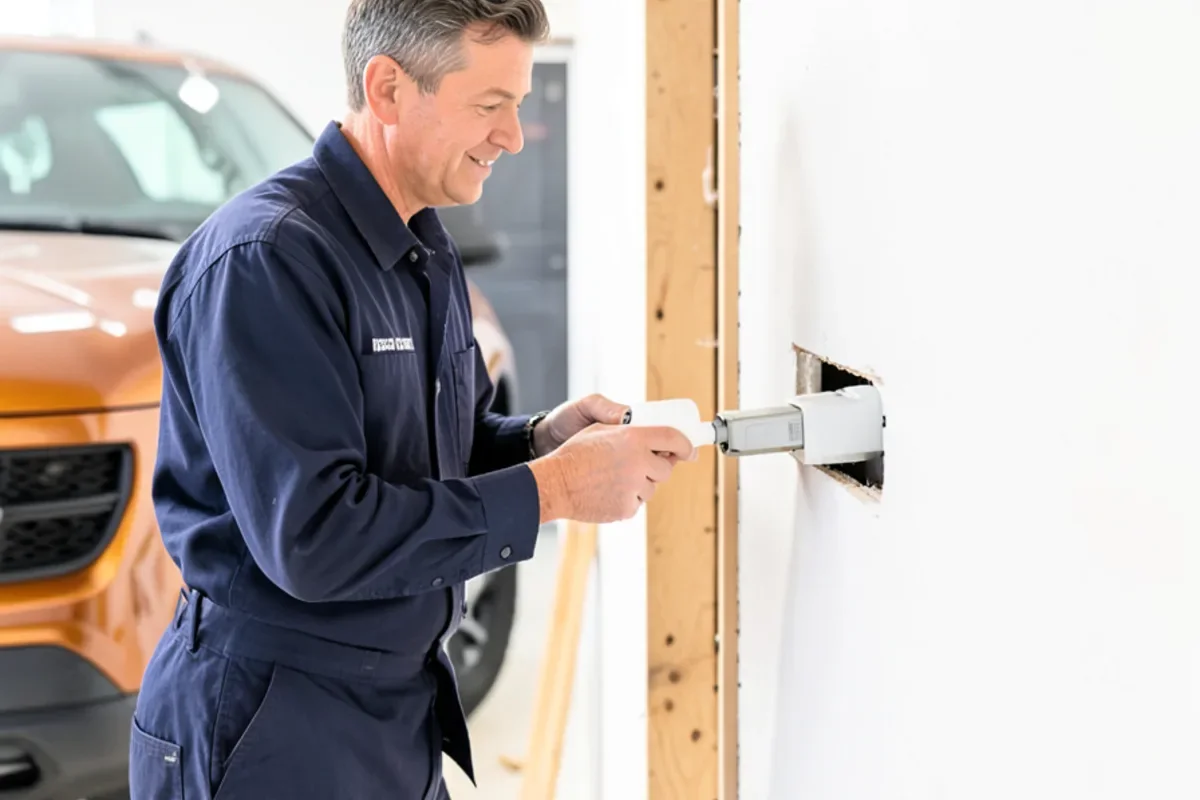
Post-Remediation Verification (PRV) and Air Clearance Testing
The true benchmark of successful mold remediation is objective scientific clearance testing, formally termed Post-Remediation Verification (PRV). Before containment chambers are dismantled, an independent environmental professional or indoor environmental professional (IEP) conducts a comprehensive visual inspection followed by calibrated air-O-cell cassette sampling. Air samples collect ambient spores inside the contained remediation zone, inside adjacent non-affected living rooms, and outdoors for comparative baseline control. For a containment area to pass PRV clearance under S520 guidelines, indoor airborne spore concentrations must be lower than or statistically comparable to outdoor baseline levels, with zero elevated presence of toxigenic marker species such as Stachybotrys, Chaetomium, or Trichoderma. Only after written lab clearance is issued are containment barriers removed and drywall reconstruction authorized.
Eliminating the Moisture Source: The Key to Permanent Remediation
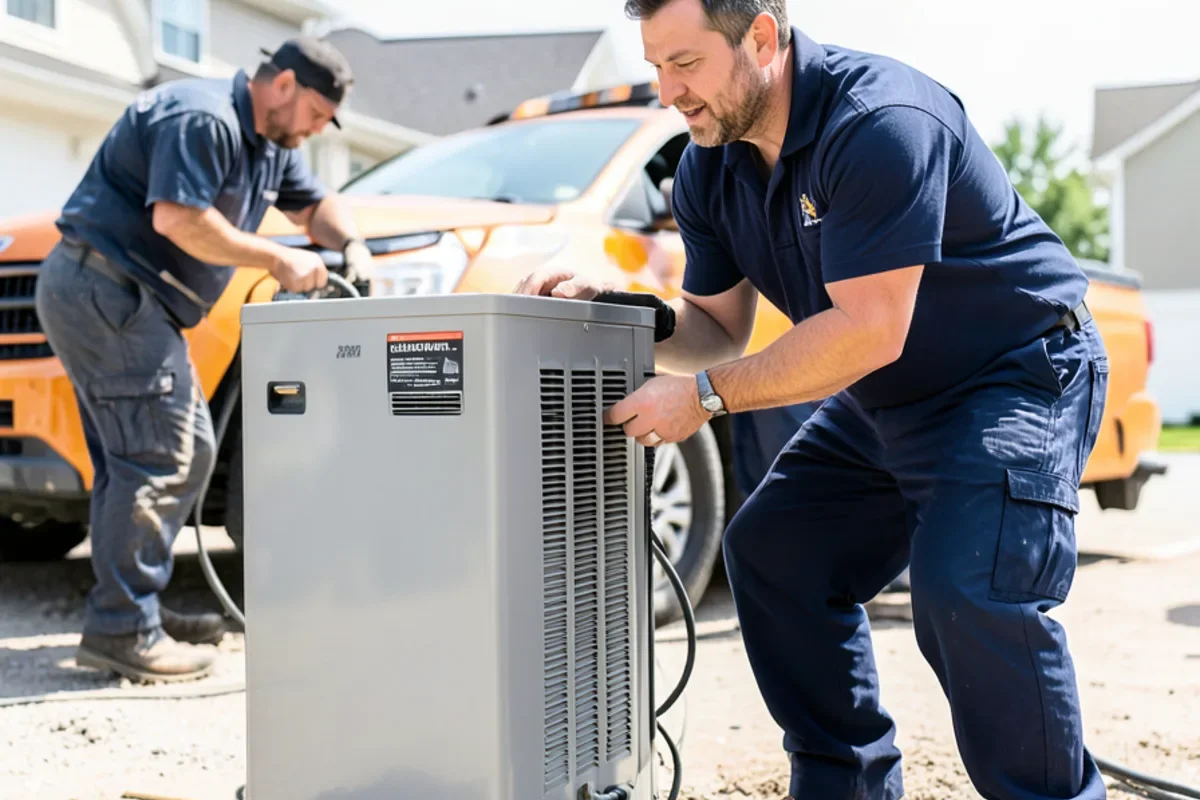
Removing visible mold without correcting the underlying moisture source guarantees recurrence. Following material removal, commercial LGR dehumidifiers operate continuously until timber framing moisture drops below 15%. Technicians use infrared thermal cameras and moisture meters to verify that plumbing leaks are sealed, exterior foundation drainage is corrected, and crawlspace relative humidity is stabilized below 50% using dedicated dehumidifiers.
Biological Progression of Mold Growth Following a Water Leak
| Time Elapsed | Fungal Stage | Visible Signs | Action Required |
|---|---|---|---|
| 0 – 24 Hours | Moisture Infiltration | Damp surfaces, high humidity, no visible mold | Extract water immediately and begin mechanical dehumidification |
| 24 – 48 Hours | Spore Germination | Microscopic hyphae establish root systems in cellulose | Remove wet carpet padding; dry structural framing to <15% moisture |
| 48 – 72 Hours | Colony Colonization | Faint musty odor; small discolored spots on drywall | Erect containment barriers and deploy HEPA air scrubbers |
| 3 – 7 Days+ | Active Sporulation | Visible black, green, or fuzzy clusters; airborne spore spread | Full ANSI/IICRC S520 professional remediation and drywall removal |
In Baltimore rowhouses built prior to 1978, mold remediation involving drywall demolition frequently disturbs historic lead-based paint. Remediation contractors must follow EPA Lead-Safe Certified (RRP) containment protocols, using HEPA shrouds and plastic floor covers to prevent distributing lead dust alongside fungal spores.
Our guides and technical overviews cite official state licensing boards, regional public works departments, environmental agencies, and industry standards:
Frequently Asked Questions: Mold After a Leak: How Fast It Grows and When to Call a Pro
Specific answers and technical considerations drawn from this guide.
Visual inspection cannot confirm fungal species; 'black mold' can refer to many harmless or common species. While Stachybotrys chartarum is dark and toxigenic, all indoor mold infestations degrade air quality and require identical containment and physical removal procedures regardless of species.
Questions About an Active Leak or Basement Flood?
Speak with our Baltimore emergency dispatch team. Call (702) 478-1007 to connect with an independent local pro.