
Sump Pump Failure Checklist for Baltimore County Basements
If your sump pump fails during a storm in Baltimore County, first check the electrical breaker and ensure the float switch is not jammed against the basin wall. If the motor is dead or power is out, connect a secondary battery-backup pump or manual submersible pump immediately. Move belongings to upper levels, extract standing water (call 702-478-1007), and begin mechanical dehumidification within 24 hours to prevent mold.
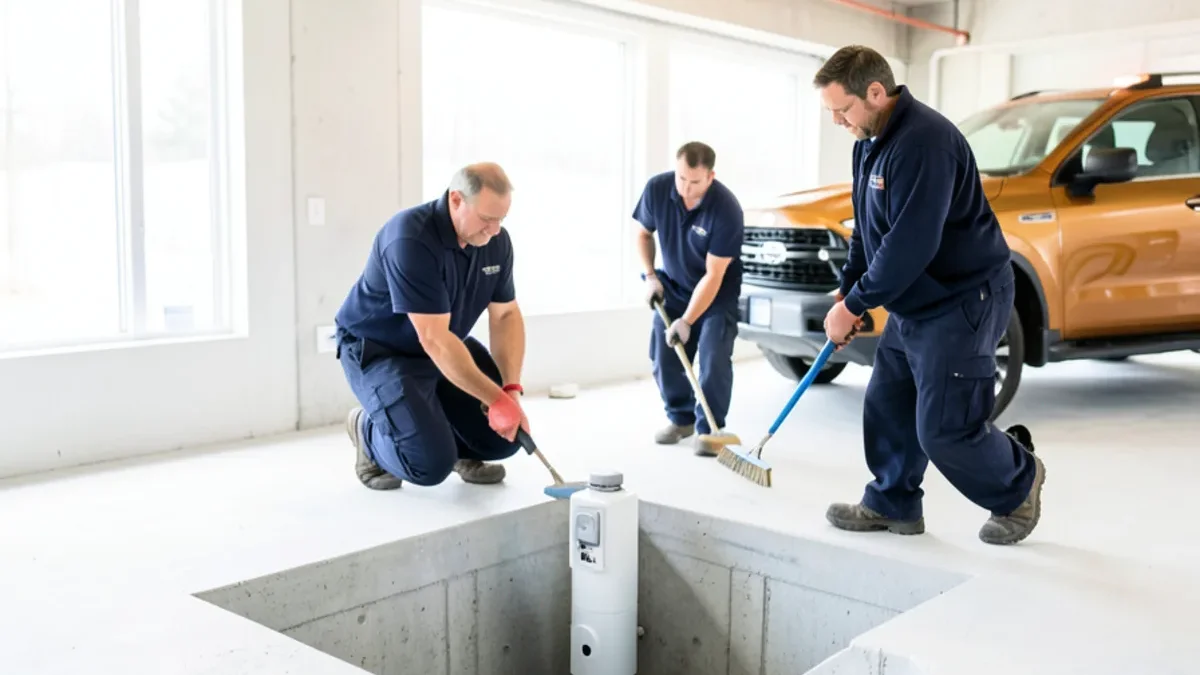
Top 5 Reasons Sump Pumps Fail During Baltimore Storms
Sump pump breakdowns rarely occur during dry weather; they fail under severe storm stress. The leading cause is municipal power failure caused by lightning or falling limbs. Second is a mechanically jammed vertical or tethered float switch that becomes pinned against the basin wall by incoming water turbulence. Third is a failed check valve that allows discharged water to flow backward into the basin, forcing the motor to cycle continuously until it burns out. Fourth is a clogged or frozen exterior discharge pipe that backs up. Finally, age-related motor capacitor burnout after 7 to 10 years of service leaves the pump dead on arrival.
Step-by-Step Emergency Triage in a Saturated Basin
When water rises above your sump pit threshold, act methodically to avoid electrical hazards. Ensure you are wearing dry rubber-soled boots and do not step into standing water if electrical cords are submerged. Inspect the dedicated GFCI outlet; reset the breaker if tripped. Inspect the float switch inside the pit to confirm it moves freely up and down. Listen to the pump: if the motor hums loudly but no water is discharged, the impeller is jammed with stone gravel or an air-lock has formed in the discharge line.
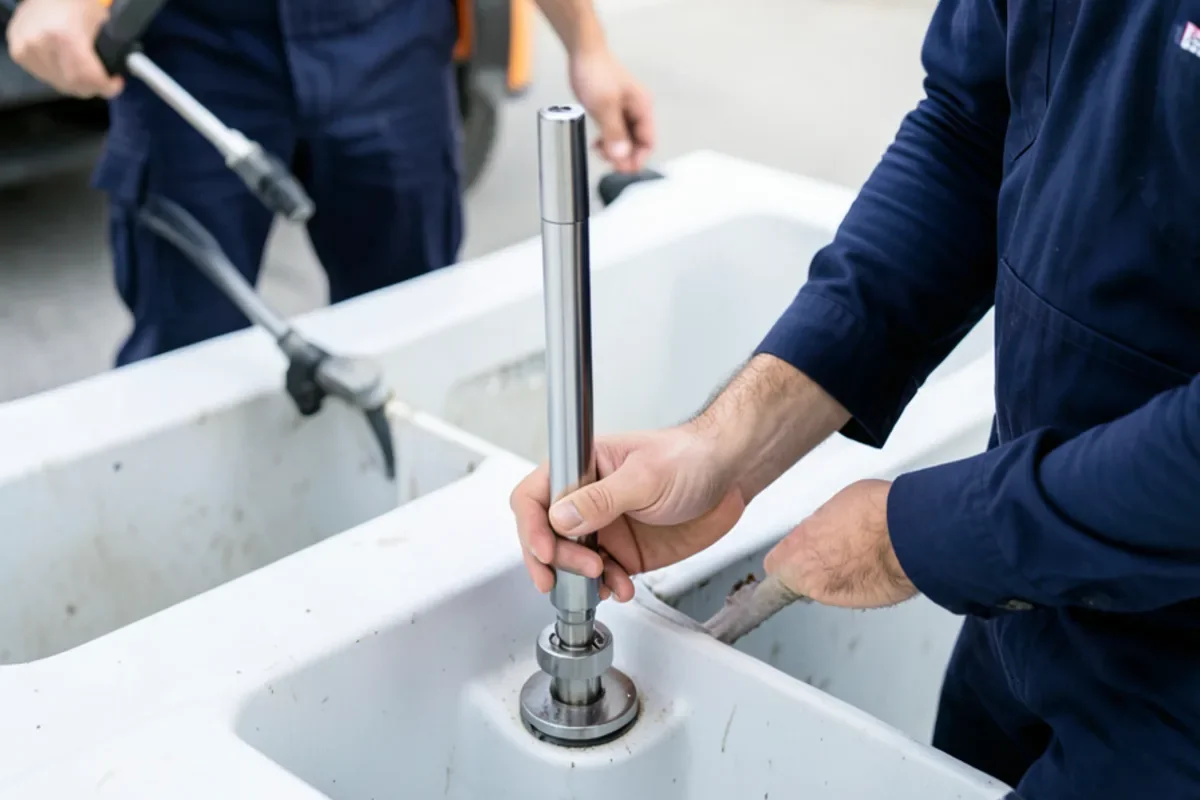
Pumping Out Standing Water and Preventing Slab Pressure
Allowing floodwater to sit in a basement exerts continuous hydrostatic pressure against concrete slab seams. Call emergency extraction services at (702) 478-1007 to deploy high-capacity submersible utility pumps. The crew routes heavy-duty discharge lines out through a basement window, pumping standing water out into the yard. Rapid water removal relieves hydrostatic pressure and prevents water from wicking higher into finished drywall.
Why Battery Backups and Water-Powered Backups Save Basements
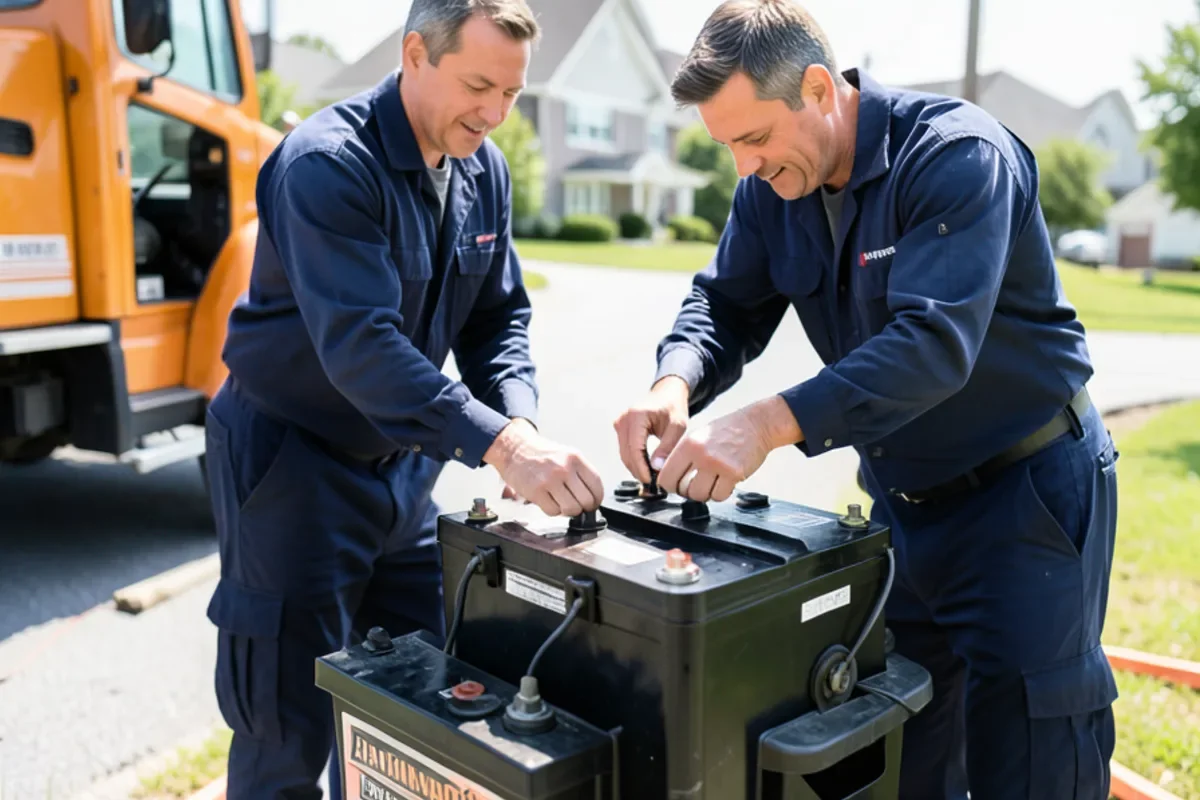
A single primary electric sump pump is a single point of failure. Baltimore County homes with finished basements should feature a dual-pump basin equipped with an auxiliary 12-volt DC battery-powered backup pump. Premium backup systems feature computerized smart chargers, dual float switches, and high-capacity marine batteries that pump for up to 24 continuous hours. In homes with reliable municipal water pressure, water-powered backup pumps utilize municipal water flow to siphon out pit water without requiring electricity or batteries.
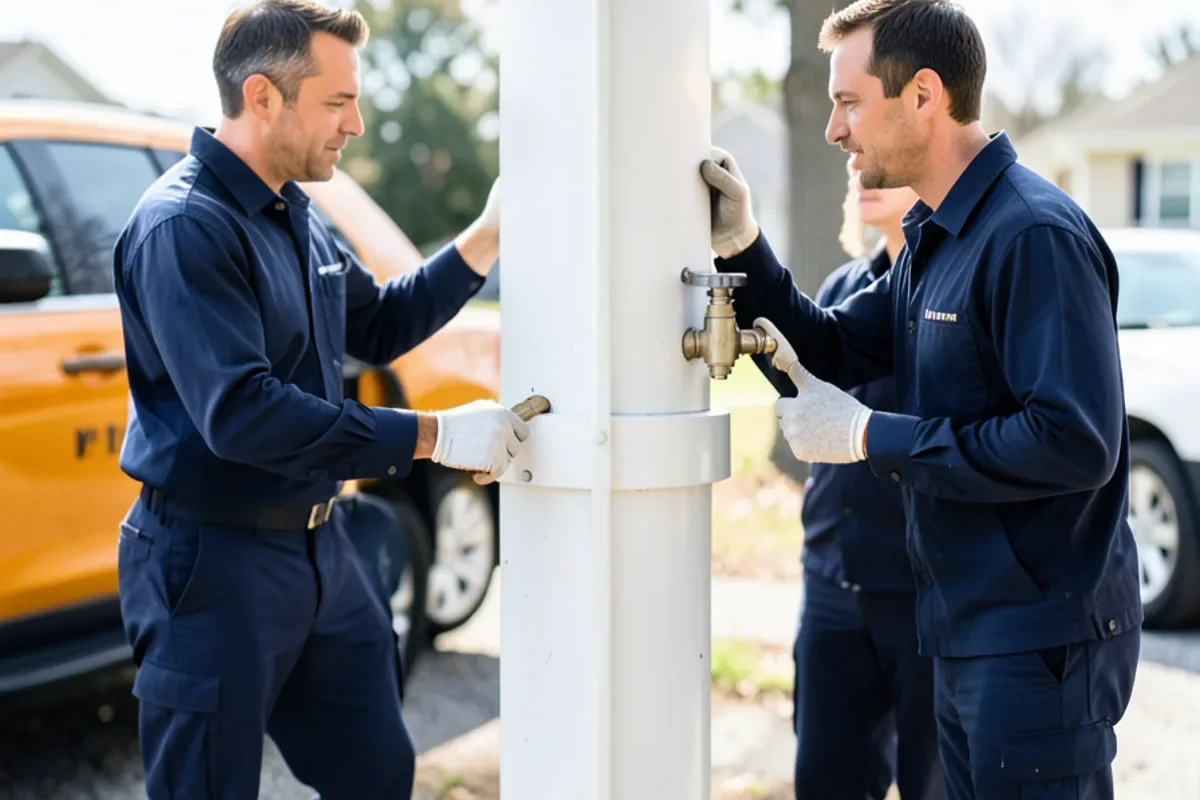
Sanitizing and Drying Finished Basements After an Overflow
Sump pump overflow water contains ground silt, lawn chemicals, and soil bacteria, classifying it as Category 2 (gray water). Saturated carpet padding should be removed and discarded. Technicians make clean flood cuts 12 to 24 inches above the floor on wet partition walls to evacuate saturated fiberglass insulation. Concrete slabs and framing studs are treated with hospital-grade EPA antimicrobials, followed by deployment of commercial LGR dehumidifiers and high-velocity air movers to achieve dry standards within 3 to 5 days.
Hydrostatic Head Pressure and Sump Pit Sizing Calculations
Many Baltimore County homeowners experience recurring basement flooding simply because their builder-grade sump pump is fundamentally undersized for the property's hydraulic load. Sump pump capacity is rated in Gallons Per Hour (GPH) measured against 'total dynamic head'—the vertical height water must be lifted from the bottom of the basin to the outdoor discharge exit point, plus friction loss from 90-degree pipe elbows. A standard 1/3-horsepower pump rated at 3,000 GPH at zero feet may only deliver 1,800 GPH when lifting water 10 feet vertically up through a basement rim joist. In high-water-table communities like Perry Hall, Towson, and Lutherville, heavy convective storms can deliver over 2,500 gallons per hour into subterranean French drain perimeters. Upgrading to a 1/2-horsepower or 3/4-horsepower cast-iron submersible pump with an oversized 24-inch poly basin ensures your drainage system can overcome high head pressure during extreme regional rainstorms.
Sump Pump Annual Maintenance Inspection Checklist
- Pour a 5-gallon bucket of water into the basin quarterly to verify automatic float activation
- Inspect the check valve on the vertical PVC pipe to ensure arrow points away from the pump
- Confirm a 3/16-inch air-bleed relief hole is drilled in the discharge pipe between pump and check valve
- Clean dirt, gravel, and debris from the bottom of the basin annually to protect the impeller
- Check battery backup fluid levels and terminal connections biannually; replace batteries every 4 years
Under Baltimore County Plumbing Code (§ 33-3-101), sump pump discharge pipes are strictly prohibited from discharging into the municipal sanitary sewer system. Connecting a sump pump to an interior sewer drain overloads treatment plants and creates catastrophic street sewer backups. Discharge pipes must terminate onto outdoor lawns or approved stormwater swales at least 10 feet from the foundation.
Our guides and technical overviews cite official state licensing boards, regional public works departments, environmental agencies, and industry standards:
Frequently Asked Questions: Sump Pump Failure Checklist for Baltimore County Basements
Specific answers and technical considerations drawn from this guide.
Under standard residential usage in Baltimore County, a quality cast-iron primary sump pump has an average operational lifespan of 7 to 10 years. Sump pumps operating continuously in high-water-table areas near streams may require replacement every 5 to 7 years.
Questions About an Active Leak or Basement Flood?
Speak with our Baltimore emergency dispatch team. Call (702) 478-1007 to connect with an independent local pro.