
Flash Flood Prep for Ellicott City, Elkridge and Patapsco Valley Homes
Flash flood preparation in the Patapsco River Valley (Ellicott City, Elkridge, Oella) requires proactive terrain defense: install battery-powered dual sump pumps, clear foundation swales and window well drains, elevate electrical appliances and storage off basement slabs, maintain ready sandbags, and know your immediate uphill evacuation route. If water penetrates the home, call emergency flood extraction at (702) 478-1007 as soon as floodwaters recede.

The Unique Topography of the Patapsco Valley Flash Flood Zone
The Patapsco River gorge encompasses steep granite hillsides dropping sharply from the Piedmont plateau down to sea level. In Ellicott City, the historic district sits inside a narrow granite bowl where the Tiber River, Hudson Branch, and New Cut Branch converge before emptying into the Patapsco. When localized thunderstorm cloudbursts stall over Howard and Baltimore counties, impervious suburban development uphill funnels millions of gallons of runoff down steep ravines within minutes, creating wall-of-water flash floods as seen in historic 2016 and 2018 events.
Sump Pump Redundancy: Why Battery Backups Are Non-Negotiable
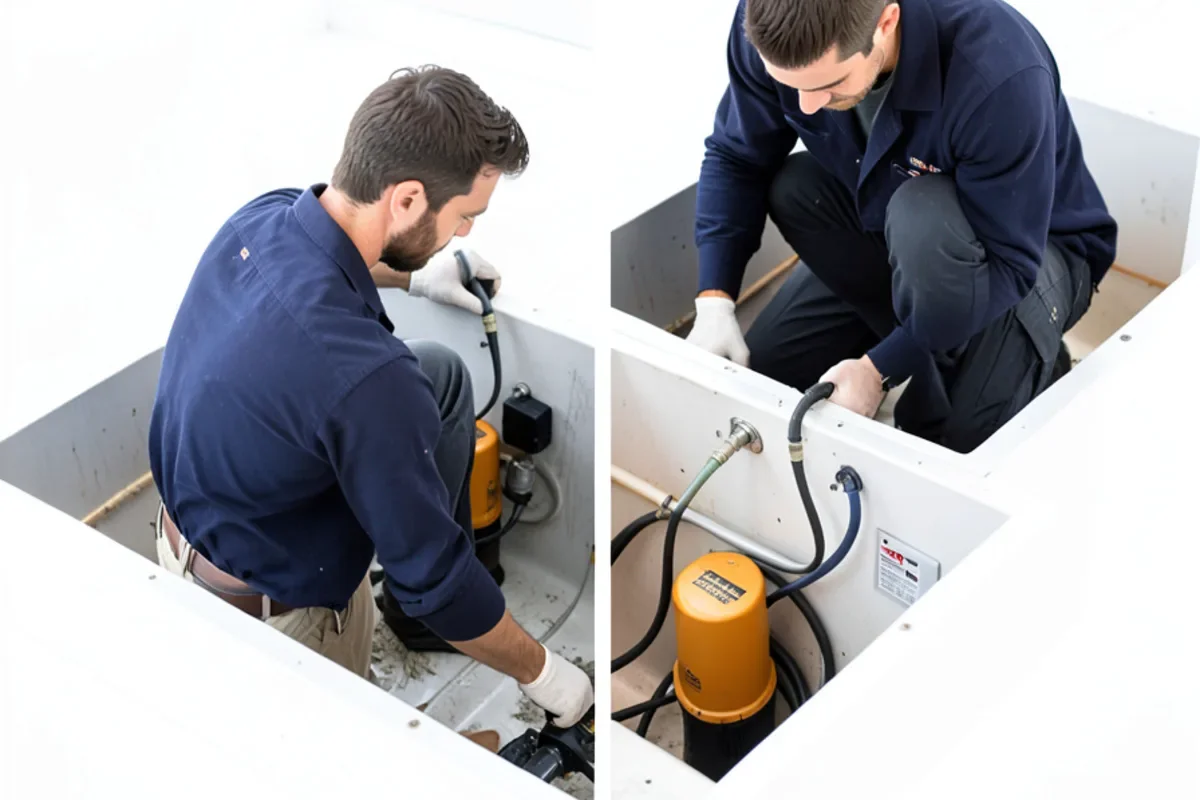
In valley communities like Ellicott City, Oella, and Elkridge, primary electric sump pumps frequently fail at the exact moment they are needed most—when severe thunderstorms knock out electrical utility power. Every home with a basement in the Patapsco drainage basin should feature a dual-pump basin equipped with an automatic 12-volt deep-cycle marine battery backup pump. A battery backup pump can run continuously for up to 24 hours, pumping thousands of gallons while primary power is restored. Technicians recommend installing independent dual-float switches and a dedicated secondary discharge pipe exiting through the rim joist, preventing pump motor burnout if the primary check valve jams with storm silt.
Exterior Grading, Foundation Swales, and Window Well Defense
Preventing floodwaters from reaching basement walls requires proactive exterior landscape maintenance. Inspect foundation swales and drainage ditches each spring to ensure they remain clear of fallen branches, silt, and leaves. Install heavy-duty polycarbonate covers over basement window wells to deflect torrential sheet flow. Ensure downspout extensions discharge stormwater at least 6 to 10 feet downhill from foundation walls, preventing soil saturation near footings.
Elevating Mechanical Utilities and Basement Storage
If your home is located within a secondary floodway or experiences seasonal high water tables, elevating basement utilities saves thousands of dollars in mechanical replacement costs. Work with an MHIC-licensed contractor and Master Plumber to elevate water heaters, boilers, and electrical sub-panels onto poured concrete pads or wall-mounted brackets at least 12 to 24 inches above the basement slab. Store all personal belongings, seasonal clothing, and documents in waterproof plastic tote bins placed on commercial metal shelving.

Immediate Recovery Protocol Once Flash Floods Recede
When floodwaters recede, property owners must act quickly but safely. Do not enter a flooded basement until the electric and gas utilities have been verified safe by BGE or local emergency personnel. Avoid walking through outdoor floodwaters, which carry sewage, fuel residues, and sharp debris. Contact an emergency flood cleanup service at (702) 478-1007 to mobilize high-capacity trash pumps, shovel out river silt, pressure-wash concrete slabs with hospital-grade antimicrobials, and begin industrial dehumidification before mold takes hold.
Historic Granite Foundations and River Silt Remediation
Homes and commercial structures throughout Ellicott City, Oella, and the lower Patapsco basin frequently feature historic stone masonry foundations constructed of local granite blocks bound with traditional lime-and-sand mortar. During flash flood events, high-velocity river waters laden with coarse quartz sand, decayed organic silt, and road grit saturate foundation walls. As hydrostatic pressure mounts, fine silt particles penetrate stone joints, while abrasive sediment deposits several inches deep across basement slabs. Simply sweeping or hosing silt into residential floor drains causes severe drain line blockages. Professional restoration crews deploy gasoline-powered trash pumps with wide solids-handling impellers to evacuate liquid mud, followed by low-pressure warm water rinsing and wet extraction. Technicians apply EPA-registered botanical antimicrobials to penetrate porous granite mortar joints and prevent deep fungal colonization without damaging delicate historic lime masonry.

Patapsco Valley Seasonal Flood Preparedness Action Plan
- Spring: Test sump pump float switches, clear foundation swales, and clean window well drains
- Summer: Check battery backup electrolyte levels, maintain ready sandbags, and review uphill evacuation routes
- Fall: Clear autumn leaves from yard drainage grates, downspouts, and basement walkout stairwell drains
- Winter: Insulate crawlspace water lines, disconnect garden hoses, and test portable generator connections
During the historic 2016 and 2018 Ellicott City flash floods, over 6 inches of rain fell in less than two hours. In steep granite valley topography, overland stormwater velocity can easily exceed 15 miles per hour. Property owners should never attempt to defend outdoor structures or move cars once a Flash Flood Warning is issued; immediate vertical evacuation to higher ground is the only safe response.
Our guides and technical overviews cite official state licensing boards, regional public works departments, environmental agencies, and industry standards:
Frequently Asked Questions: Flash Flood Prep for Ellicott City, Elkridge and Patapsco Valley Homes
Specific answers and technical considerations drawn from this guide.
When stacked tightly in an interlocking pyramid pattern with plastic sheeting underneath, sandbags create an impermeable temporary dam that diverts surface storm runoff away from basement walkout doors and window wells.
Questions About an Active Leak or Basement Flood?
Speak with our Baltimore emergency dispatch team. Call (702) 478-1007 to connect with an independent local pro.