Water Damage Response Plan for Baltimore Rental and Condo Managers
A commercial water damage plan for Baltimore property managers must establish rapid tenant safety protocols, immediate water valve shutoff locations for every building stack, emergency contractor dispatch contracts (call 702-478-1007), clear communication templates for affected residents, and meticulous moisture mapping records to separate master HOA policy liability from individual unit owner HO-6 insurance claims.
The Critical First 30 Minutes: Multi-Unit Triage Protocol
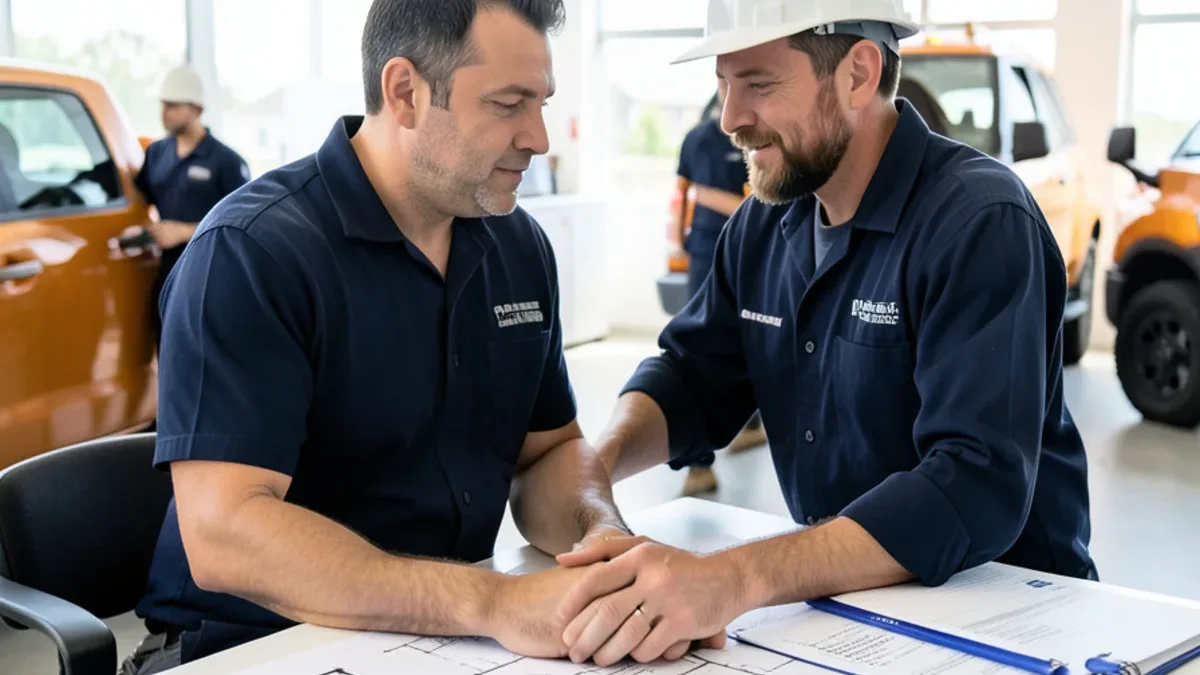
When water leaks occur in a multi-story commercial building, apartment complex, or condominium, delayed response multiplies property loss and legal exposure exponentially. Water from a single top-floor supply line rupture cascades through concrete floor slabs, utility chases, elevator hoistways, and electrical conduits into multiple tenant suites below within minutes. Property managers must execute an immediate triage plan: verify tenant electrical safety by isolating flooded sub-panels, confirm fire sprinkler monitoring panels have not triggered false alarms or tamper trips, immediately dispatch building engineers to close the affected vertical riser valve, and contact an emergency commercial restoration partner at (702) 478-1007 to mobilize multi-unit extraction crews equipped with portable high-volume submersible pumps and industrial extraction rovers.
Isolating Riser Stacks and Mapping Multi-Level Infiltration
Multi-family and high-rise commercial structures feature complex plumbing infrastructure where shutoff valves are divided across vertical riser stacks, pressure zones, or individual sub-meters. Property management teams must maintain color-coded, laminated riser shutoff schematics in every mechanical hub and electrical closet. Once the main feed is halted, restoration contractors deploy non-invasive high-resolution infrared thermal cameras and digital capacitance moisture meters to inspect every tenant suite directly beneath and diagonally adjacent to the source. Water naturally tracks along structural steel decking, pre-cast concrete hollow-core slabs, and shared fire separations, saturating interstitial ceiling cavities long before ceiling tiles or drywall show visible staining.
Navigating Maryland Condominium Act (§ 11-114) Master Policy Rules
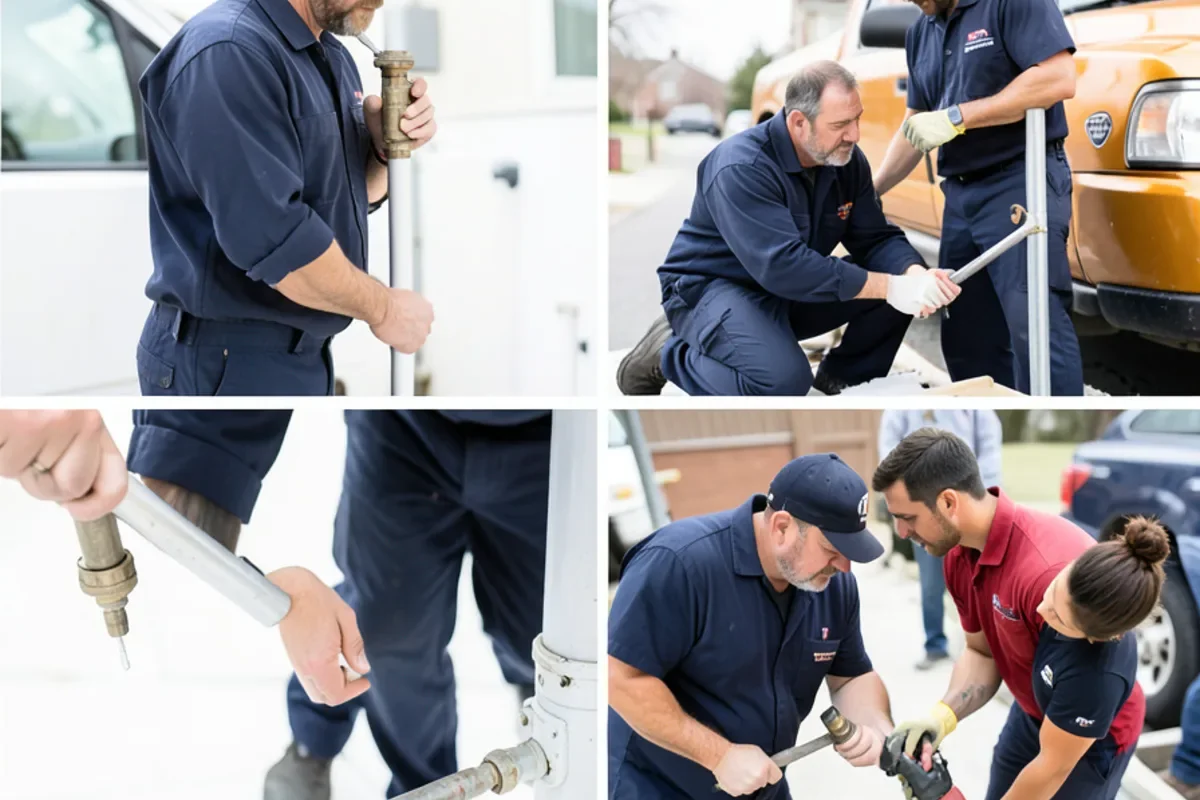
In Maryland condominium communities across Baltimore, Owings Mills, Columbia, and Towson, water damage liability is strictly governed by the Maryland Condominium Act (Real Property Code § 11-114). Under state statute, the condominium council of unit owners master policy must maintain property insurance covering all original building structures and common elements. Individual unit owner HO-6 policies cover personal property, tenant improvements, and interior finishes beyond standard builder specs. Furthermore, Maryland law governs master policy deductible allocation—authorizing the condominium council to assess the master policy deductible (statutorily capped up to $10,000) against the specific unit owner where the water intrusion originated, provided the loss was caused by the unit's fixture or internal plumbing.
Mitigating Habitability Risks Under Maryland Rent Escrow Law (§ 8-211)
In residential rental properties, municipal housing codes and Maryland Real Property Code § 8-211 (Rent Escrow Law) impose strict legal obligations on landlords and property managers to maintain safe, sanitary, and habitable living environments. Saturated subflooring, standing water in common corridors, or moisture trapped in perimeter drywall creates ideal conditions for microbial amplification within 24 to 48 hours. If property management fails to remediate water intrusion promptly after written notice, tenants may file a district court rent escrow action, withholding rent until court-ordered health inspections pass. Deploying commercial desiccant dehumidifiers (1,500 to 5,000 CFM) and establishing clean containment zones allows property managers to remediate active damage swiftly while safeguarding rental revenues and lease compliance.

Rapid Commercial Extraction to Maintain Tenant Habitability
Commercial properties face staggering business interruption costs when offices, retail bays, or common lobbies become saturated. Restoring habitability requires rapid mechanical water extraction before liquid water migrates into perimeter floor leveling compounds, elevator pits, and sensitive telecommunication server rooms. Commercial restoration contractors deploy weighted extraction rovers to pull water out of glue-down commercial carpets without delaminating backing materials. Crews immediately erect negative-pressure containment barriers using zippered poly sheeting and HEPA-filtered air scrubbers to isolate work zones, preventing moisture vapor and odor transfer into operational tenant suites while high-velocity air movers accelerate evaporation.
Maintaining Psychrometric Moisture Logs for Commercial Adjusters
Commercial property insurance claims undergo rigorous scrutiny from forensic adjusters and carrier risk engineers. Property managers must ensure restoration contractors document daily psychrometric metrics—including ambient temperature, relative humidity, dew point, and grains per pound (GPP) of moisture—across all affected floors and unaffected control chambers. This granular data, mapped alongside timestamped thermal imaging reports and resistance moisture readings, validates that structural framing has reached dry standard equilibrium per ANSI/IICRC S500 guidelines. These forensic logs defend the management firm against future mold liability claims and expedite insurance payouts without disputed adjuster line items.

Commercial Property Manager Water Emergency Kit & Protocol
- Laminated mechanical floor plans identifying main shutoff valves for each vertical riser and pressure zone
- Pre-authorized commercial emergency restoration dispatch agreement with 24/7 hotline (702-478-1007)
- Pre-written tenant emergency broadcast SMS/email notification templates and habitability guidelines
- Heavy-duty water shutoff curb keys and non-contact electrical voltage testers stored in maintenance workshops
- Standard operating procedure for documenting tenant unit damage and notifying commercial insurance adjusters
Under Maryland law, if a condominium unit owner's plumbing failure causes damage to common elements or other units, the HOA council may assess the master policy deductible (up to statutory limits) against the responsible unit owner. Meticulous photographic documentation of the failed plumbing component by a third-party restoration technician is essential to substantiate deductible assessments.
Our guides and technical overviews cite official state licensing boards, regional public works departments, environmental agencies, and industry standards:
Frequently Asked Questions: Water Damage Response Plan for Baltimore Rental and Condo Managers
Specific answers and technical considerations drawn from this guide.
If the water is Category 1 clean water and drying is confined to a specific room, tenants can often remain safely in their homes. However, if Category 3 sewage is involved, electrical power is shut off, or extensive bathroom/kitchen facilities are disabled, temporary relocation is required under habitability codes.
Questions About an Active Leak or Basement Flood?
Speak with our Baltimore emergency dispatch team. Call (702) 478-1007 to connect with an independent local pro.