Water Main Break Flooded Your Basement? Who Pays in Baltimore City
When a Baltimore City municipal water main breaks and floods your private basement, the city is not automatically liable under Maryland sovereign immunity laws unless negligence is proven. Homeowners must immediately mitigate damages by pumping water out (call 702-478-1007), notify their homeowners insurance carrier, and submit a formal claim with the Baltimore City Department of Finance / Comptroller within Maryland's strict 1-year Local Government Tort Claims Act notice deadline.
Aging Infrastructure: Baltimore's Frequent Water Main Breaks
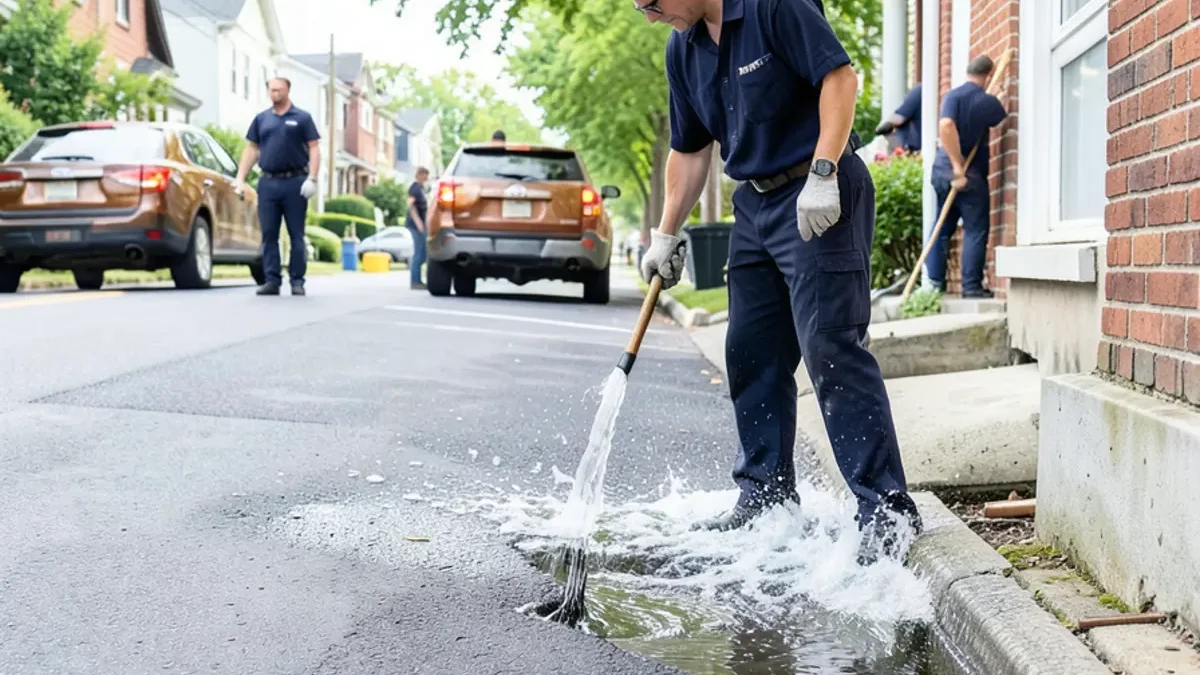
Baltimore City's municipal drinking water distribution system encompasses over 3,000 miles of water mains, many of which were cast and installed in the late 19th and early 20th centuries. Corroded cast-iron pipes, shifting soils, and winter freeze-thaw ground movements cause hundreds of main breaks annually. A pressurized 12-inch or 20-inch main break (such as the documented rupture on Washington Boulevard in Pigtown) can discharge tens of thousands of gallons of water per minute, cratering streets and flooding adjacent basement window wells.
Understanding Municipal Sovereign Immunity in Maryland
Many Baltimore homeowners assume the city government will automatically pay for basement flooding caused by a street water main break. Under Maryland common law and the Local Government Tort Claims Act (CJ § 5-304), municipalities enjoy limited sovereign immunity for governmental functions. To recover damages from Baltimore City, the claimant must legally prove that the city had prior notice of the defect and acted negligently in failing to repair it, or that municipal workers committed direct operational negligence. This typically requires obtaining historical Baltimore 311 logs demonstrating that neighbors reported recurring street leaks or water pressure anomalies weeks prior to the catastrophic main rupture.
Why Filing with Your Homeowners Insurance Comes First
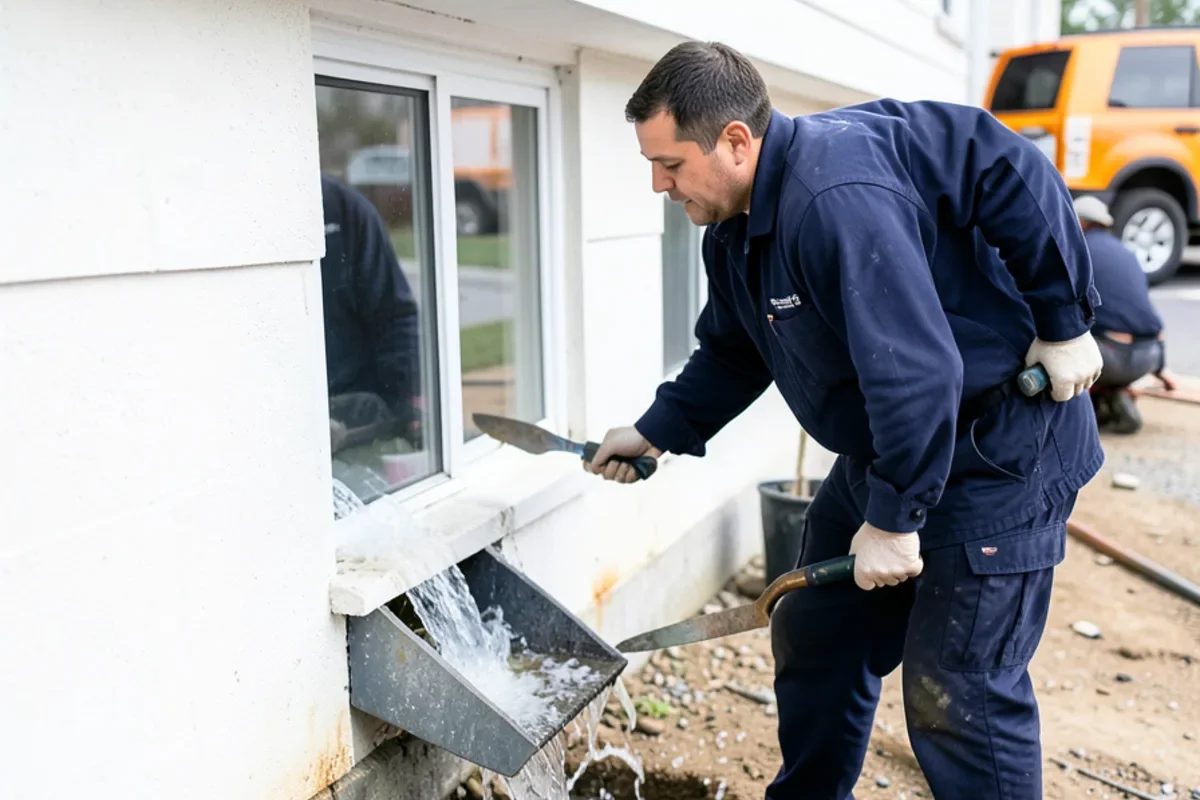
Because municipal claim evaluations take months and liability is not guaranteed, your first call should be to an emergency restoration service at (702) 478-1007, followed immediately by opening a claim with your private homeowners insurance carrier. Your private insurer will cover emergency water extraction and structural drying under sudden water loss provisions (subject to your deductible). If Baltimore City is subsequently found liable, your insurance company will pursue subrogation reimbursement from the city, including recovery of your personal deductible.
Step-by-Step Guide to Filing a Baltimore City Comptroller Claim
To preserve your legal rights against the municipality, you must submit a formal written Notice of Claim to the Baltimore City Department of Finance, Risk Management Division, within one year of the incident under Maryland Courts and Judicial Proceedings Code § 5-304. Include the exact date and time, the Baltimore 311 service request number, photographic evidence showing street water entering your basement, itemized restoration invoices, and proof of any uncompensated losses.
Emergency Extraction and Structural Sanitation Protocol
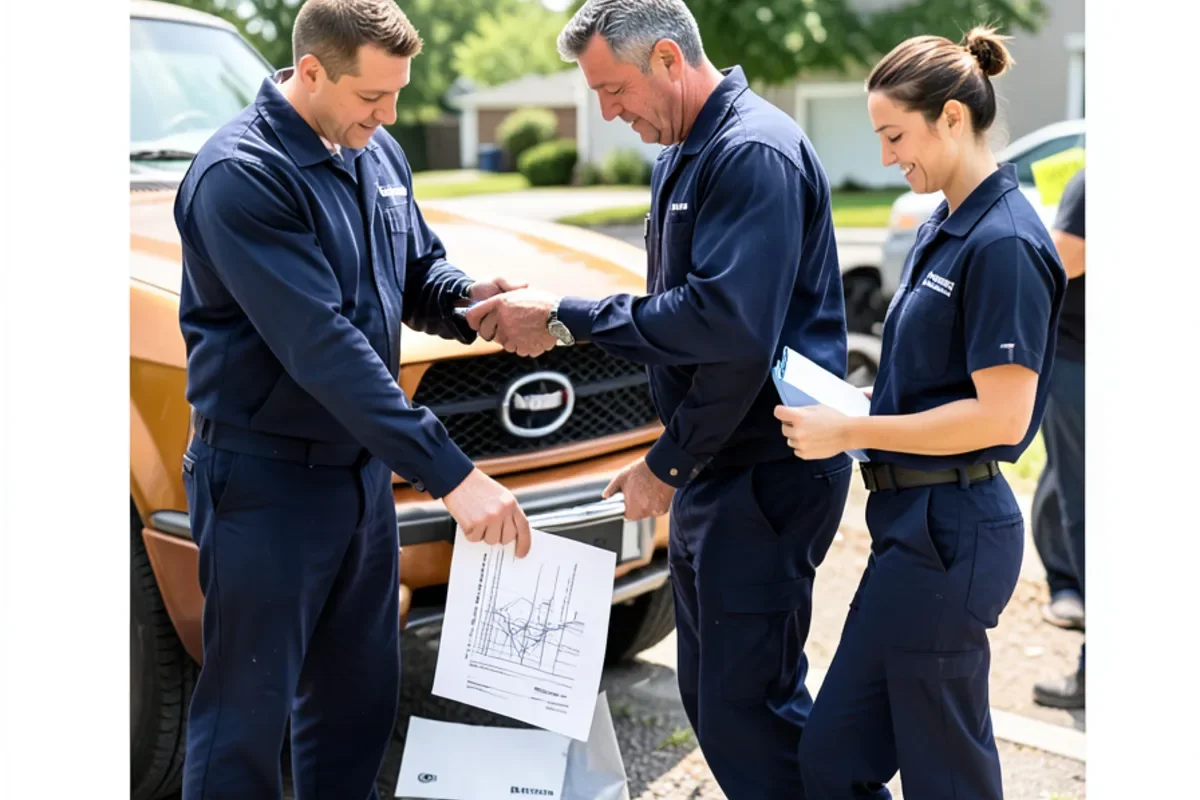
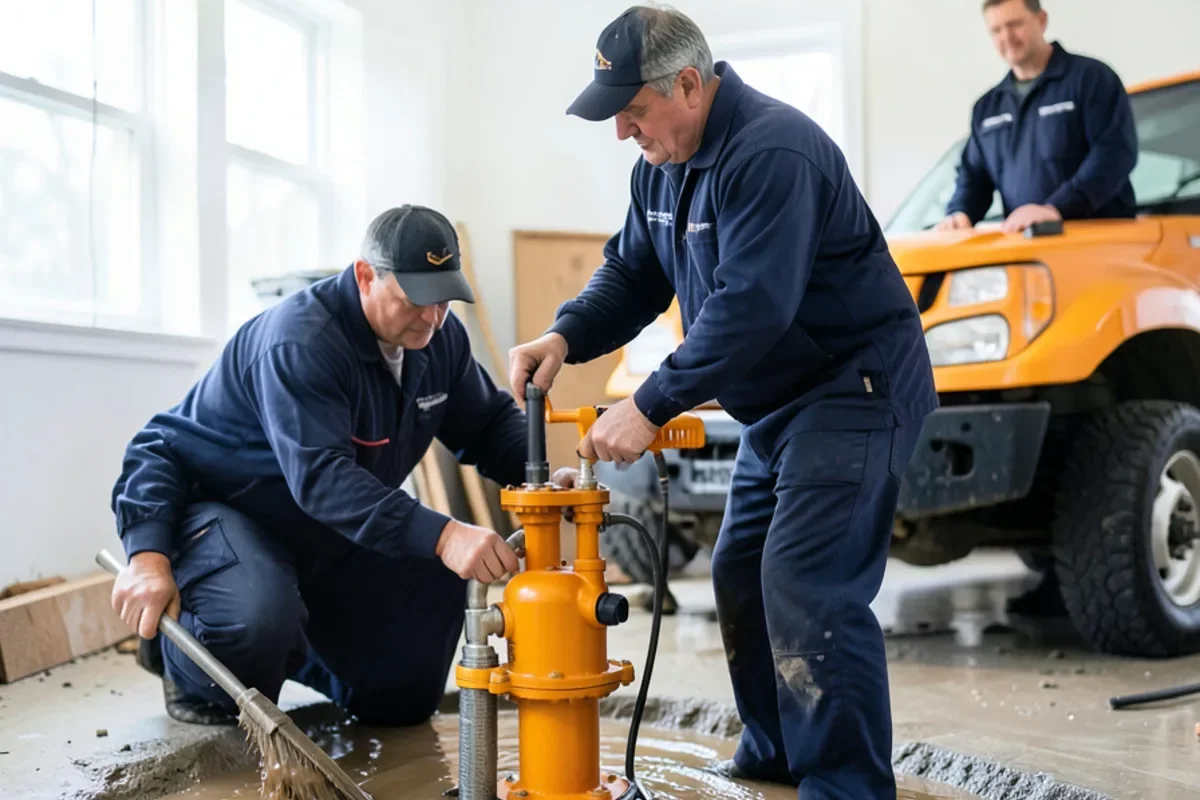
Water from a street main break is not clean tap water by the time it reaches your basement; as it flows over pavement, downspouts, and soil, it collects motor oil, automotive fluids, fertilizer, and street sediment, transforming into Category 2 or 3 black water. Emergency restoration crews deploy submersible trash pumps to evacuate water, shovel out sediment deposits, pressure-wash foundation walls, apply broad-spectrum antimicrobials, and maintain commercial dehumidifiers to stabilize masonry and framing.
Structural Foundation Risks: Hydrostatic Washout and Sinkholes
Beyond surface flooding, a high-volume municipal water main rupture poses severe geotechnical risks to adjacent homes. In historic Baltimore neighborhoods, water mains operate under 60 to 90 PSI of pressure. When a major 12-inch or 20-inch cast-iron main shears underground, the high-velocity discharge quickly erodes the subterranean sand and gravel bed supporting granite curbs and sidewalks. This pressurized subsurface erosion can excavate massive soil cavities beneath private property, washing out lateral soil support around stone rubble rowhouse foundations. If standing water exerts intense lateral hydrostatic pressure against unreinforced century-old foundation walls, brick mortar can crack or bow inward. Restoration contractors utilize thermal imaging and precision moisture meters to inspect foundation perimeters for structural shifting, voids, or foundation wall deflection following a major street main disaster.
Baltimore City Water Main Break Claim Submission Checklist
- Record the exact date, time, and address of the street main failure
- Obtain your Baltimore 311 service request confirmation number immediately
- Photograph the street crater, water spraying, and water entering your basement
- Retain all invoices, drying logs, and moisture reports from your restoration contractor
- Submit formal Notice of Claim to Baltimore City Risk Management within 1 year
When a water main break occurs on a street with older rowhomes, high-pressure water frequently washes away soil beneath granite street curbs, creating a subterranean channel that directs water straight into foundation window wells. Sandbagging window wells from the outside can divert flow while municipal crews isolate street gate valves.
Our guides and technical overviews cite official state licensing boards, regional public works departments, environmental agencies, and industry standards:
Frequently Asked Questions: Water Main Break Flooded Your Basement? Who Pays in Baltimore City
Specific answers and technical considerations drawn from this guide.
Municipal risk management evaluations in Baltimore City typically take between 60 days and 6 months. This is why property owners should rely on their private homeowners insurance for immediate mitigation rather than waiting for city reimbursement.
Questions About an Active Leak or Basement Flood?
Speak with our Baltimore emergency dispatch team. Call (702) 478-1007 to connect with an independent local pro.